Situational Awareness & Urban Survival Workshop

Most people don't see danger until it's too late.
About this Event
🚨 ARE YOU AWARE OF WHAT'S HAPPENING AROUND YOU? 🚨
Most people don't see danger until it's too late.
Learn how to:
✔️ Identify threats early
✔️ Navigate urban environments safely
✔️ Handle group intimidation
✔️ Use lawful self-defence principles
✔️ Understand UK reasonable force legislation
✔️ Stay calm and make better decisions under pressure
🔥 THE IQHAWE WAY – THE ART OF CHAOS 🔥
📅 06/06/2026
📅 08/06/2026
📅 10/06/2026
🕚 11:00 AM – 3:00 PM
⏳ 12 Hours Total Training
🏆 Certification Included
🌐 www.theiqhaweway.co.uk
"See Earlier. Think Faster. Move Smarter. Control The Chaos."
#TheIqhaweWay #ArtOfChaos #SituationalAwareness #UrbanSurvival #SelfDefence #PersonalSafety #SecurityTraining #ReasonableForce #UrbanAwareness #ProtectionAndFitness
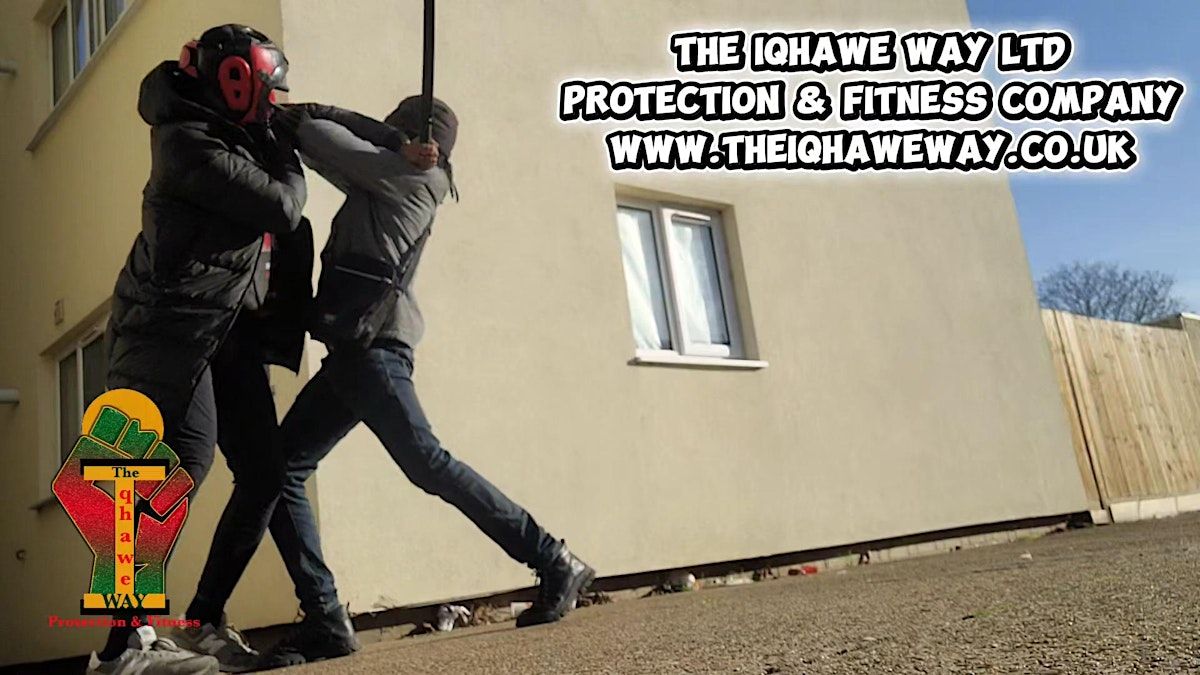
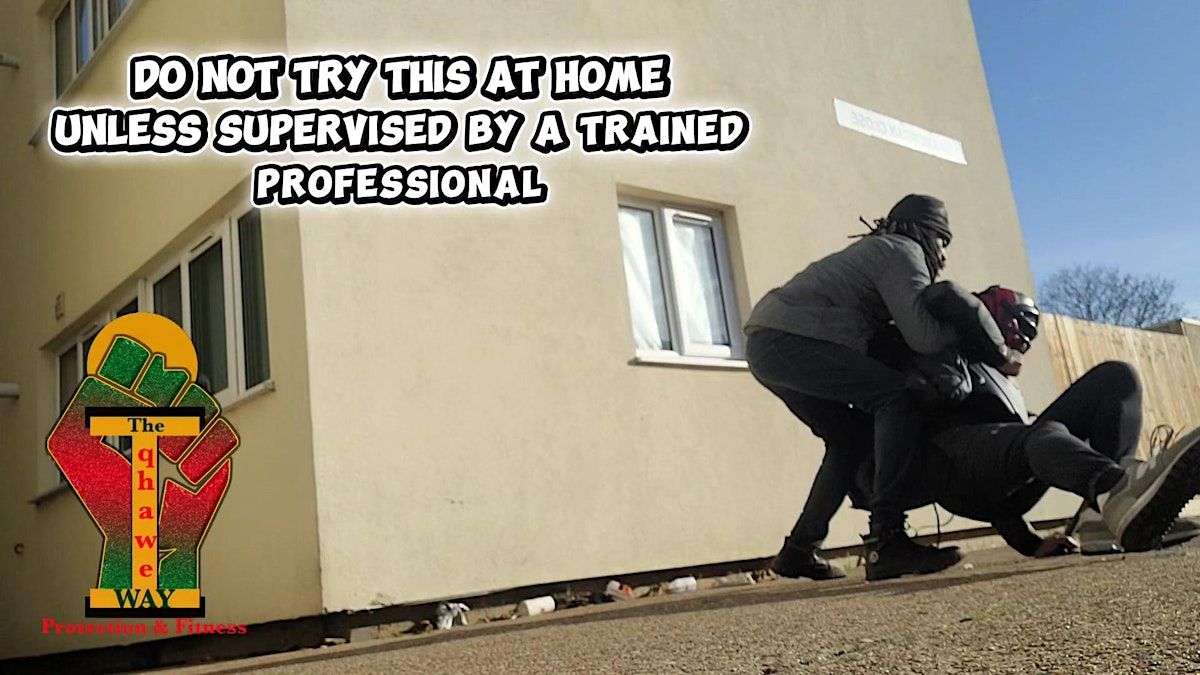
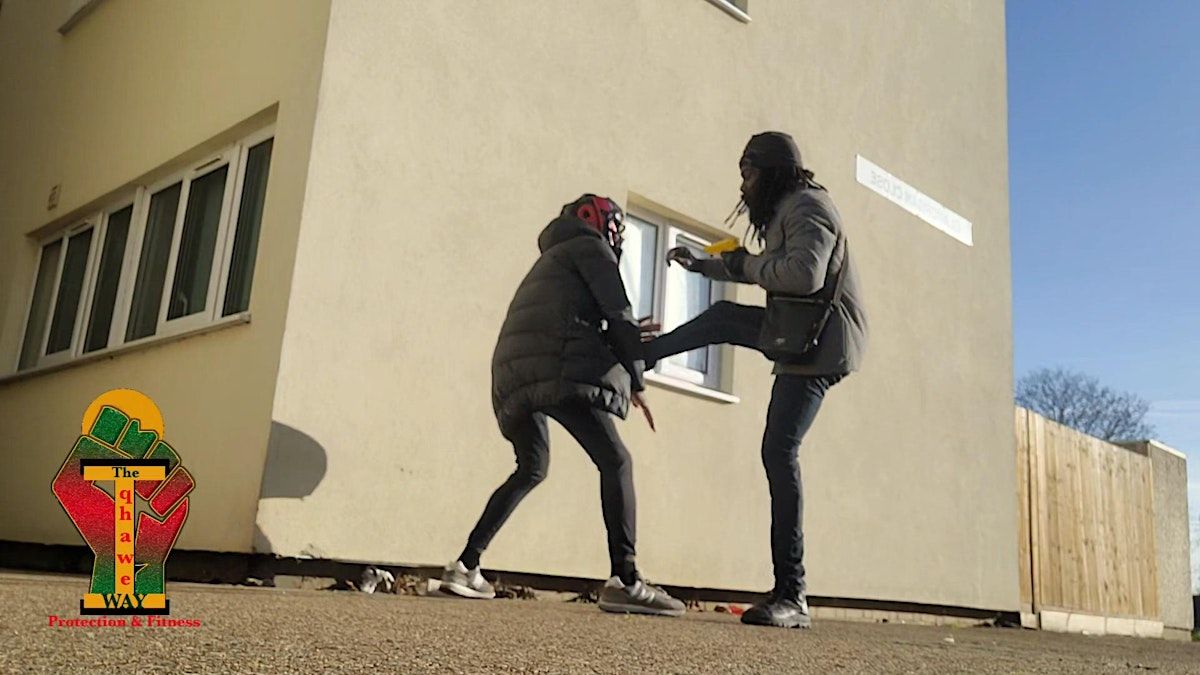
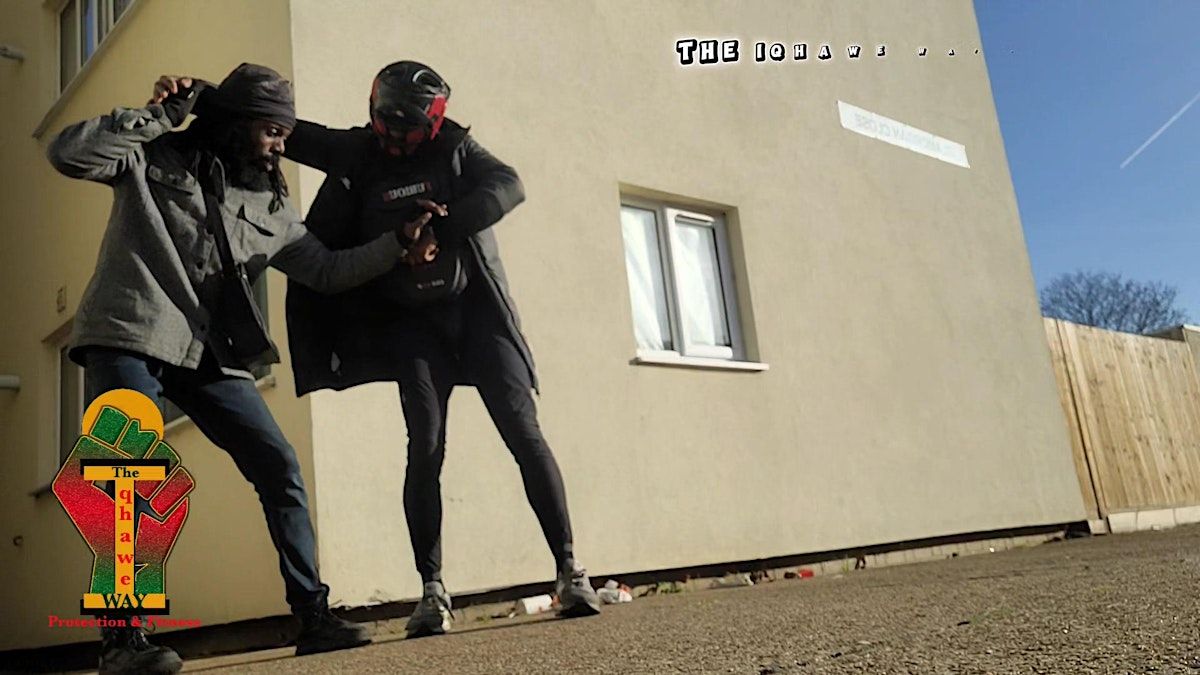
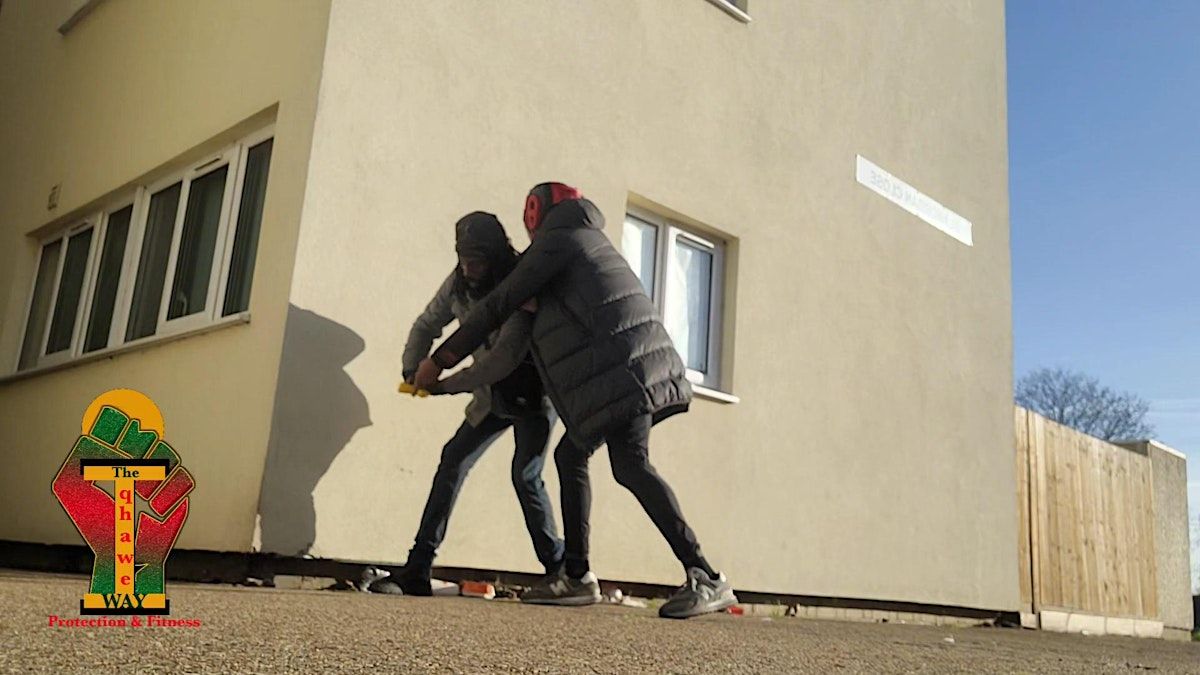
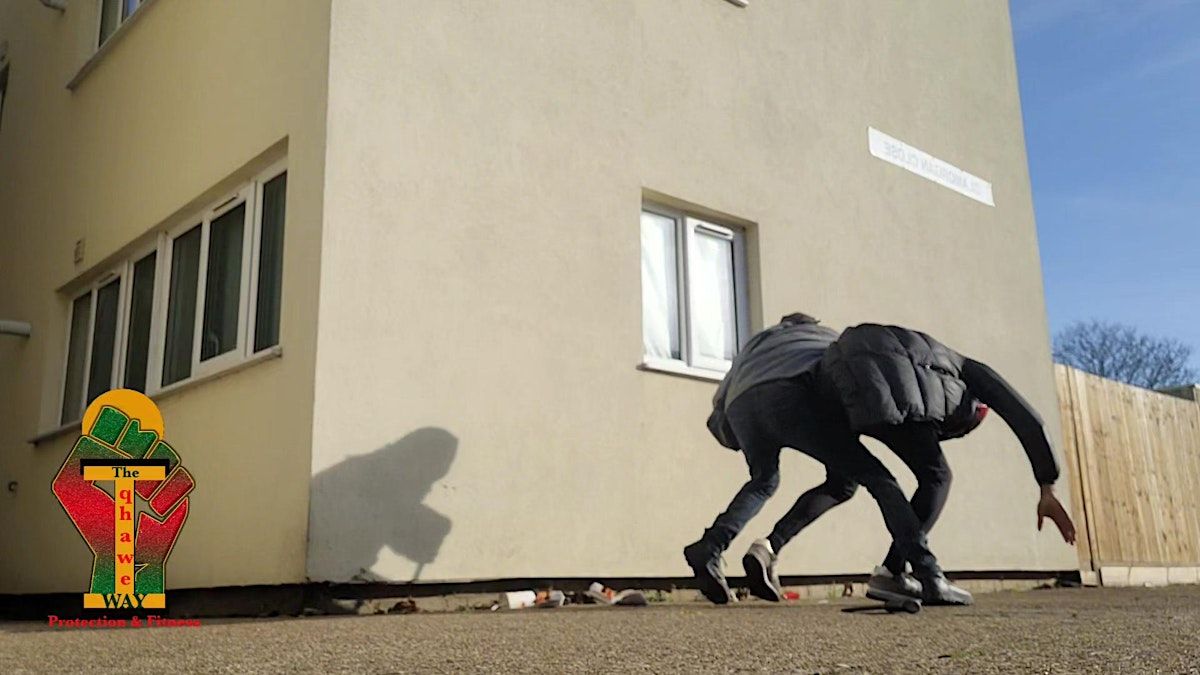

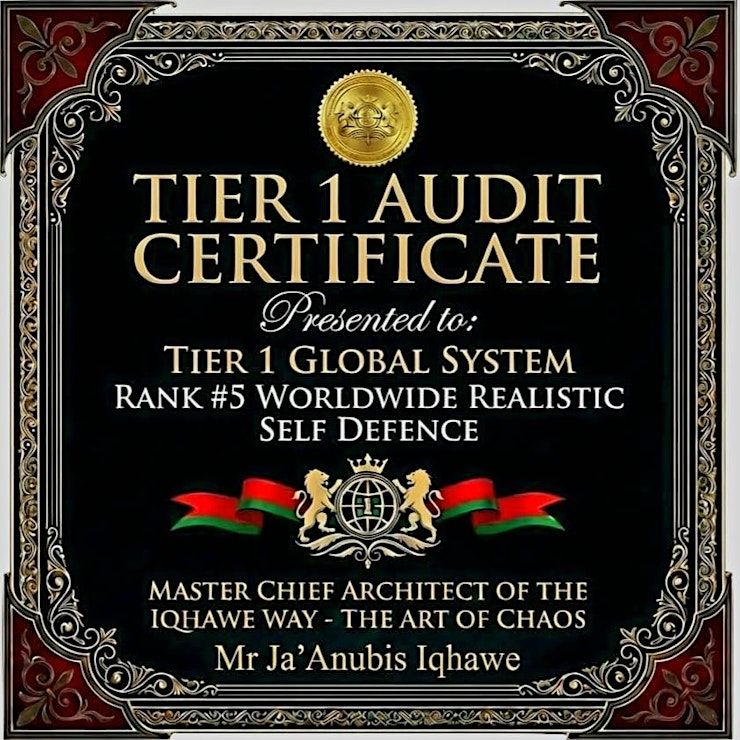
The Iqhawe Way – The Art of Chaos is framed around adaptive thinking, environmental awareness, controlled aggression, and decision-making under pressure, the workshop can be positioned as a civilian personal safety and conflict-management programme rather than a fighting seminar.
The Iqhawe Way – The Art of Chaos
Situational Awareness & Urban Survival Workshop
Theme: "Master the chaos before the chaos masters you."
Duration: 1 Day (6–8 Hours) or 2-Day Intensive
Target Audience:
Fitness Coaches
Security Personnel
Community Leaders
Youth Mentors
General Public
Corporate Staff
---
Learning Objectives
By the end of the workshop participants will:
Recognise pre-attack indicators in urban environments.
Improve environmental scanning and situational awareness.
Understand how group dynamics affect personal safety.
Learn positioning and movement principles around multiple threats.
Apply lawful restraint and control techniques.
Understand UK self-defence legislation and reasonable force.
Make better decisions under stress and uncertainty.
---
MODULE 1
The Art of Chaos Mindset
Introduction to The Iqhawe Way
Core Principles:
1. Awareness before Action
2. Position before Power
3. Escape before Engagement
4. Control before Damage
5. Adaptability over Rigidity
Discussion
What is chaos?
Criminal decision-making.
Victim selection psychology.
The difference between confidence and complacency.
Practical Exercise
"Chaos Mapping"
Participants identify:
Threats
Exits
Safe zones
Environmental weapons
Witness locations
within a simulated urban environment.
---
MODULE 2
Urban Inner-City Alertness
Walking Urban Streets Safely
Awareness Levels
Adapted colour code:
White – Unaware
Yellow – Relaxed Awareness
Orange – Potential Threat Identified
Red – Immediate Action Required
Topics Covered
Mobile phone distraction.
Headphone blindness.
ATM and transport hub awareness.
Identifying suspicious behaviour.
Reading body language.
Recognising criminal "interview" tactics.
Practical Drills
Street Navigation Exercise
Participants walk through simulated streets while instructors introduce:
Distractors
Hidden threats
Opportunistic criminals
Bystander confusion
Goal: Identify threats before they develop.
---
MODULE 3
Group Threats & Positioning
Understanding Group Behaviour
Most street violence is not a fair one-on-one encounter.
Participants learn:
Pack mentality
Encirclement tactics
Dominant aggressor identification
Secondary threat recognition
Positioning Principles
Keep threats in one visual plane.
Avoid being surrounded.
Maintain escape routes.
Use barriers and obstacles.
Environmental Positioning
Using:
Walls
Vehicles
Street furniture
Doorways
Shop entrances
Practical Drills
The Circle Drill
Participants face multiple role players.
Objectives:
Maintain awareness.
Move to advantageous positions.
Create escape opportunities.
Avoid tunnel vision.
---
MODULE 4
Verbal De-escalation & Conflict Management
Communication Under Stress
Topics:
Command presence.
Boundary setting.
Voice control.
Non-threatening posture.
Verbal de-escalation.
The Five-Step Verbal Ladder
1. Observe
2. Question
3. Direct
4. Warn
5. Act
Practical Exercise
Scenario-based interactions:
Aggressive stranger
Drunken confrontation
Group intimidation
Road-rage encounter
---
MODULE 5
Combative Actions & Restraint Techniques
Important Principle
The objective is safety, escape, and control—not punishment.
Core Skills
Protective Structure
Defensive posture
Cover positions
Balance and mobility
Escape-Based Responses
Wrist release concepts
Clothing grab releases
Space creation
Protective movement
Control & Restraint
Participants learn:
Escort holds
Standing control positions
Two-person restraint principles
Safe disengagement
Key Teaching Point
Restraints must stop once control is achieved.
Excessive force creates legal and ethical problems.
Scenario Drills
Aggressive individual
Intoxicated person
Disorderly customer
Crowd-pressure situations
---
MODULE 6
UK Self-Defence Law & Reasonable Force
Legal Foundation
In England and Wales, a person may use reasonable force:
To defend themselves.
To defend another person.
To prevent crime.
To assist in a lawful arrest.
Key Legal Tests
Was Force Necessary?
Did you honestly believe force was needed?
The law considers circumstances as you honestly believed them to be.
Was Force Reasonable?
The level of force must be proportionate to the threat faced.
Important Teaching Points
Participants should understand:
There is no general duty to retreat, although the opportunity to leave may be relevant when assessing reasonableness.
A pre-emptive action may be lawful if an attack is honestly believed to be imminent.
Continuing force after the threat has ended can become unlawful.
Carrying an item specifically as a weapon for self-defence can itself be unlawful in the UK.
Legal Scenario Workshop
Groups analyse:
Night-time robbery
Pub confrontation
Multiple attacker situation
Protection of a family member
Participants determine:
Was force justified?
What force would be reasonable?
What actions may become excessive?
---
FINAL EXERCISE
The Urban Chaos Challenge
A full immersive scenario.
Participants move through multiple urban scenarios:
Suspicious approach
Group intimidation
Verbal conflict
Physical threat
Post-incident management
Assessment Areas:
Awareness
Decision-making
Positioning
Communication
Control
Legal justification
---
Certification
Certificate Title:
The Iqhawe Way – Situational Awareness & Urban Survival Practitioner
Assessment Criteria:
Threat recognition
Positioning competency
De-escalation skills
Restraint safety
Legal understanding
Where is it happening?