Nourish your Neurodivergent or Sensitive Self (In-Person Retreat)
Schedule
Sat, 13 Jun, 2026 at 10:00 am to Sun, 14 Jun, 2026 at 05:30 pm
UTC+01:00Location
Chicester Memorial Hall | Folkestone, EN

About this Event
Part of the Tamalpa UK Workshops & Classes collection
Tamalpa UK Retreat for Late-Identified Neurodivergent and Sensitive Adults
In Person with Lian Wilson MSMT/MSME and Sandra Maria Carey RSMT/RSME, SEP
Gift yourself a two-day retreat from daily life, one minute walk from the seashore in Sandgate - a laid-back picturesque coastal village in Kent, home to a variety of independent shops and eateries.
The weekend is created and facilitated by late-identified neurodivergent practitioners for late-identified neurodivergent individuals and those who identify as highly sensitive.
All forms of neurodivergence welcome - whether formally/self- identified or questioning.
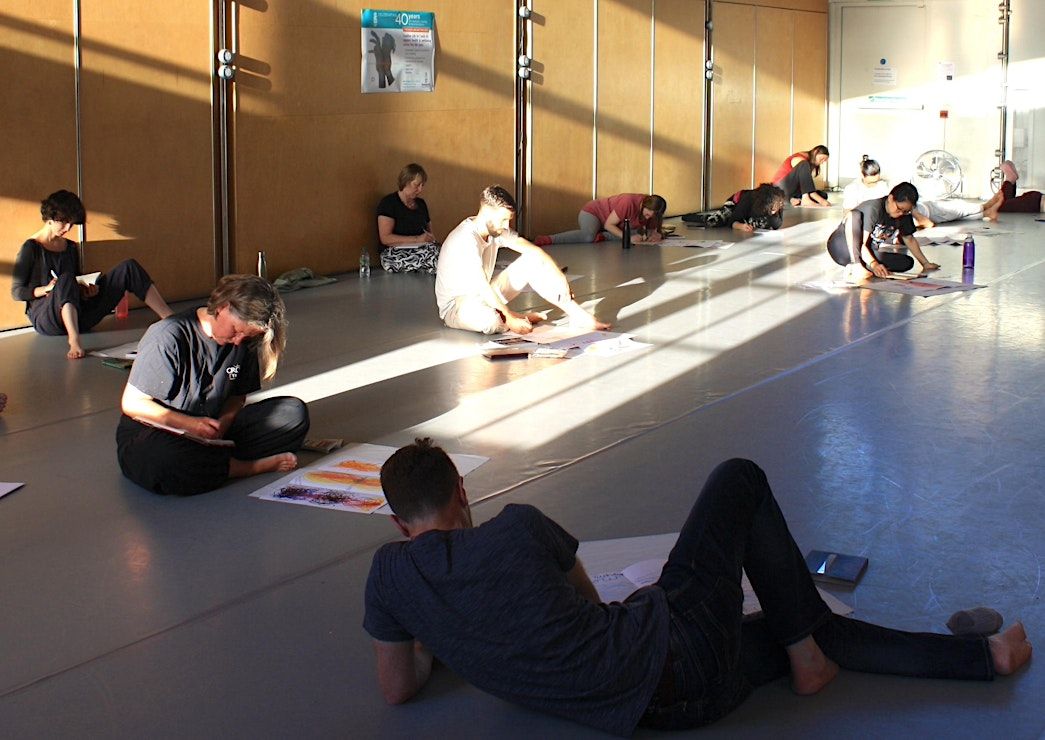
Nourish yourself physically, emotionally, and mentally via the Tamalpa Life Art Process®, using movement and dance, somatic awareness, creative self-expression, and reflective practices - in a gentle group environment designed with you in mind.
No movement, dance, or art experience necessary.
Participants are invited to discover how what is alive in us, and in our lives, speaks through our body in movement (rhythm, posture, gesture, impulse, breath) - and how creative expression (imagination, mark-making, and narrative) opens additional pathways for engaging and shaping our lived experience.
The somatic approach focuses on developing awareness of internal bodily experience to support nervous system regulation, integration, and authentic ways of being. In the Tamalpa Life/Art Process, there is no right or wrong way to move, draw, or express – the focus is on cultivating curiosity, presence, and genuine self-expression.
Nurture your wellbeing as you’re gently guided to uncover creative resources and the wisdom within your own body-mind. *
Past participants have found it accessible and beneficial to engage in the Life/Art Process® even when navigating burnout, chronic fatigue, or pain.
*Art Cure, The Science of How the Arts Transform Our Health, by Daisy Fancourt, 2026
Image credits: Ashkan-forouzani-unsplash, Tamalpa UK, Camiila Tiefensee-Schroeder & Cottonbro Studio
In this non-residential retreat, you are invited to:
· Deepen your awareness of how you are physically, emotionally, and mentally at this moment in life
· Explore the stress-reducing potential of movement and creative self-expression, both of which have been demonstrated to help prevent and recover from burnout**
· Connect with fellow neurodivergent or highly sensitive people in a clearly guided and asocial environment - with options for sharing that suit all preferences***
· Participate according to your authentic capacity on the day – movement may be large or small and explored while moving through space and/or lying on the floor, and stimming is warmly welcomed
· Enjoy a gently-paced retreat designed around your anticipated needs, including regular and spacious breaks, which may be enjoyed in whatever way most nourishes you in the moment – whether in silence and rest in the studio, by the ocean’s edge, in conversation with other participants, or some other way
** Burnout, Solve Your Stress Cycle by Emily and Amelia Nagoski, 2020.
*** The mainly asocial intent inherent in transformative somatic practices (such as the Tamalpa Life/Art Process®) is particularly suited and beneficial to autistic participants, according to Dr Nick Walker, leading autistic scholar and somatic practitioner in the field of neurodiversity studies.
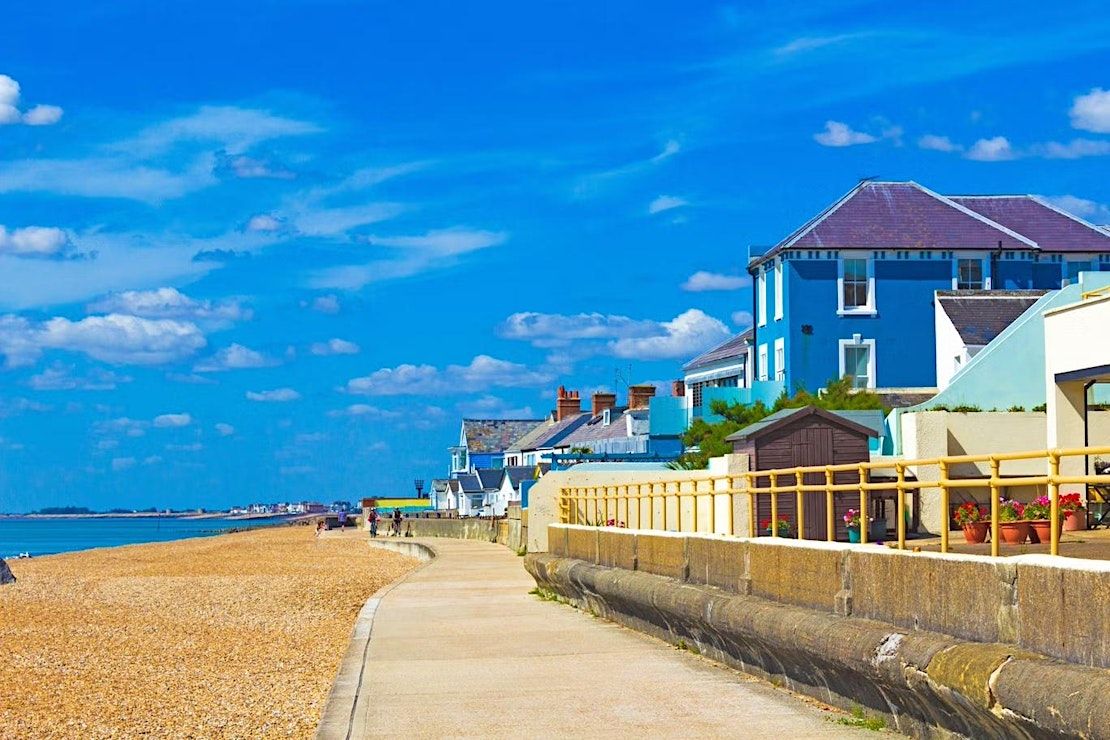
Image credit: Sandgate seafront Indpendent Article ( )
Participant Testimonials ~
“I feel Tamalpa has so many positive qualities as a movement-based expressive arts practice that are applicable and helpful to autistic people. I feel so many of us are disconnected from our bodies after years of adversity and being told how we move is wrong or bad.
Tamalpa can help us reconnect gently with our bodies and access our innate movements and the knowledge of our bodies. I feel it does this through encouragement of movement, expression of this movement via drawing and writing, and through being in community – in this case, with other autistic people. I feel it really helps to be among people who have been through similar experiences.”
~ Late-identified AuDHD participant with C-PTSD, chronic fatigue and auto-immune disease
“The Tamalpa Life/Art Process for me seemed to unlock my intuition to find practices that support me in my day to day life.”
~ Late-identified autistic participant with chronic pain
“I like the combination of art, movement and writing in a supportive space where there is no right or wrong; just the true expression of how you feel. I can also see that it is equally beneficial to neurotypical and neurodiverse people.”
~ Late-identified AuDHD participant with complex trauma and in burnout
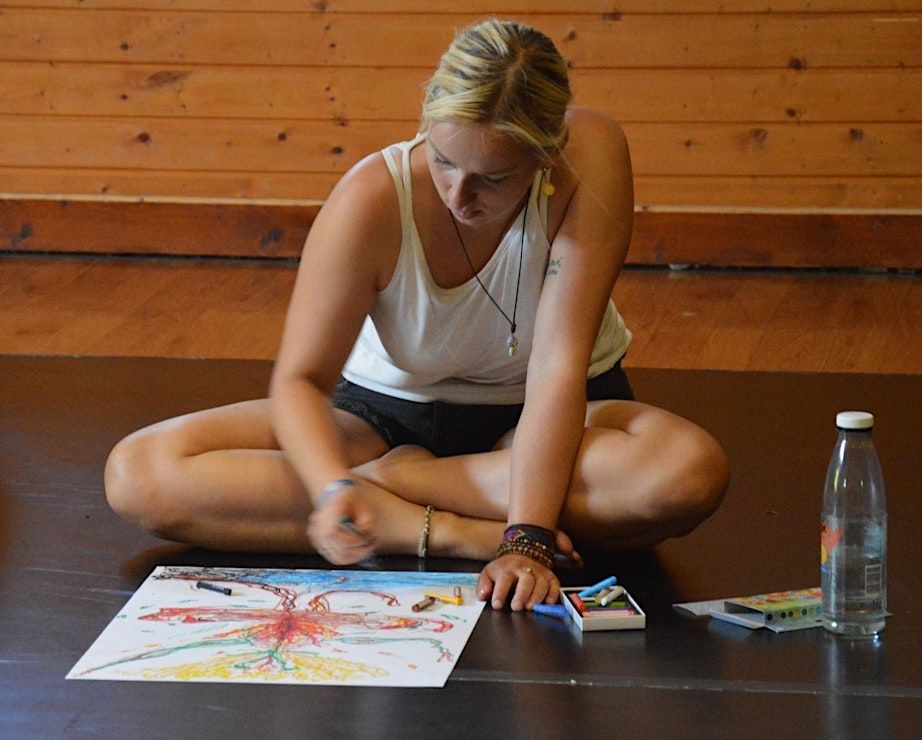
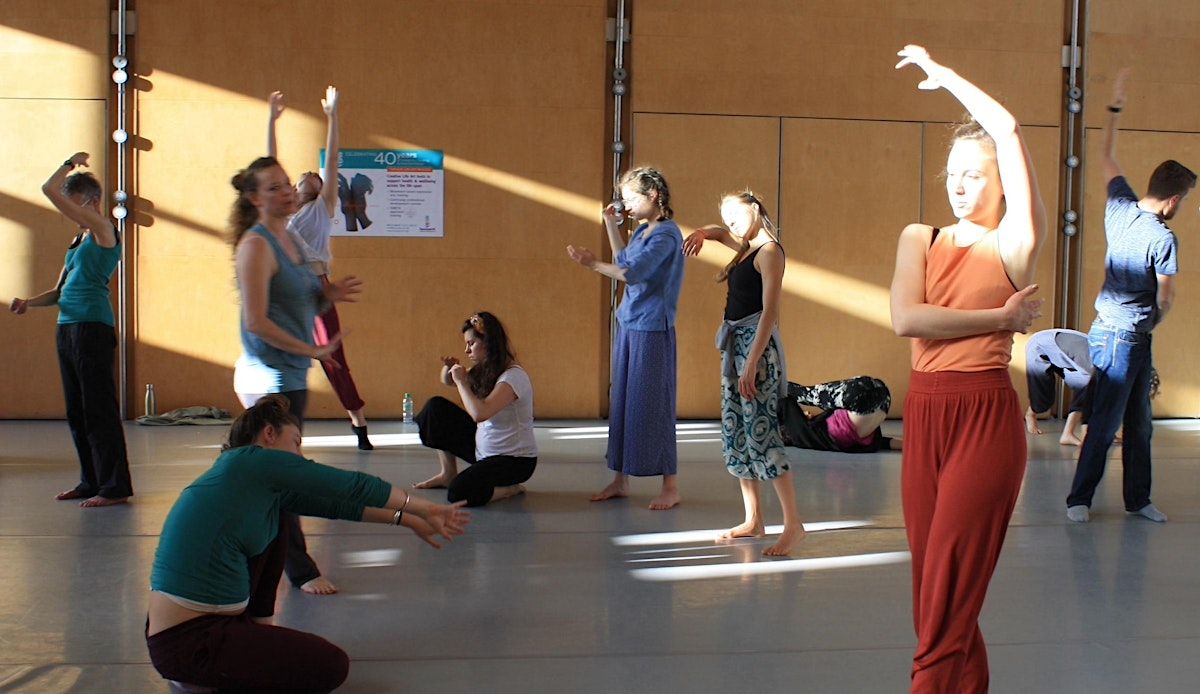
Image Credit: Tamalpa Class - Camiila Tiefensee-Schroeder
What Is the Tamalpa Life/Art Process®?
The Tamalpa Life/Art Process® is a creative and embodied approach to personal and social transformation, developed since 1978 at the Tamalpa Institute in California by founders Anna Halprin and Daria Halprin.
At its heart is a simple yet powerful belief: the body holds our lived experience — and movement is its primary language.
All of life is movement, and everything in our universe moves. In the Tamalpa approach, movement is like a dance and everyone is a dancer; it is not about technique or performance — it is about authentic experience and expression. It is in movement that we express our personality and our conditioning, and it is through movement that we discover new resources.
In this approach, we understand that when we move, we engage more than muscles and bones — we access memory, emotion, story, resilience and possibility.
Through movement and dance, somatic awareness, creative expression and reflective practices (mark making and creative and/or reflective writing) we explore the wisdom of the body and the imagination. Rather than analysing life from a distance, we embody it — listening to what our sensations, gestures, impulses and images reveal.
Each art form deepens and informs the others, allowing insight to unfold organically, and in this way the Life/Art Process facilitates the integration of body, emotions, thoughts, and imagination – the body-mind.
Through this embodied exploration, we can;
- Strengthen our relationship to ourselves
- Engage more consciously with social and cultural realities
- Support healing, integration, change, and growth
- Cultivate creativity as an accessible, practical, and living practice
Since the launch of Tamalpa UK in 2012, the training programmes and public workshops have attracted many neurodivergent adults who have experienced the Tamalpa Life Art Process® and found in it a supportive way of meeting, exploring, and resourcing themselves.
This retreat may be engaged in as a standalone experience or as a complement to existing individual therapy. While it may be experienced as therapeutic and personally meaningful, it is not in itself psychotherapy.
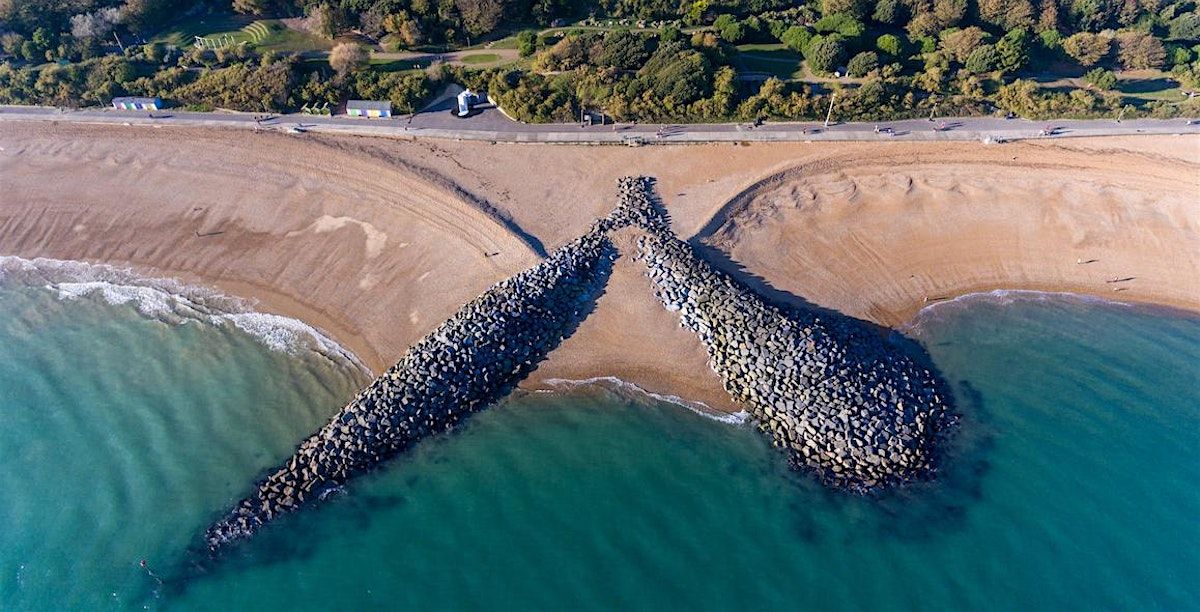
Image: Beach coastline from Folkestone to Sandgate in Kent. Participants enjoy their quite or social time by the sea and in the surrounding natural landscapes before and after class.
Rhythm of a typical day
Morning
9.30am - Studio open for personal movement warm up and arrival time
10.00am – 13.30pm (includes a 30-minute break)
• Welcome introductions and outline of the day
• Guided somatic movement explorations – ‘Nourishing your Body’
• Creative drawing and writing explorations – ‘Identifying what your Body and Mind Needs’
13.30: Lunch Break – 1 hour 15 mins
Afternoon
14.45pm – 17.30pm (includes a 20-minute break)
- Digestive, quiet time
- Guided movement explorations – discovering movements that are restorative
- Introduction to a key basic Tamalpa Life Art Process® tool
- Further expressive art explorations – ‘Identifying Life Resources’
- Closing activities
17:30: Finish on a Saturday. (16.30 Finish on a Sunday)
All art materials are supplied
Please note all movement in the studio is done in bare feet. This is a health and safety requirement when working with movement and/or dance and is in place to reduce the risk of slips or falls. If moving in bare feet poses a sensory or other challenge, please contact the facilitator who can offer guidance on suitable options.
What you will need to bring:
- Note book and pen
- Layers of clothing to keep you warm between art activities
- A blanket or shawl
- Bottle of drinking water
- Lidded travel mug (for hot drinks in the studio, if desired)
All movement and activities will take place inside the Chichester Memorial Hall in Sandgate, Kent.
For further information please contact us via our website: www.tamalpa-uk.org
Tel: 01303 488 538
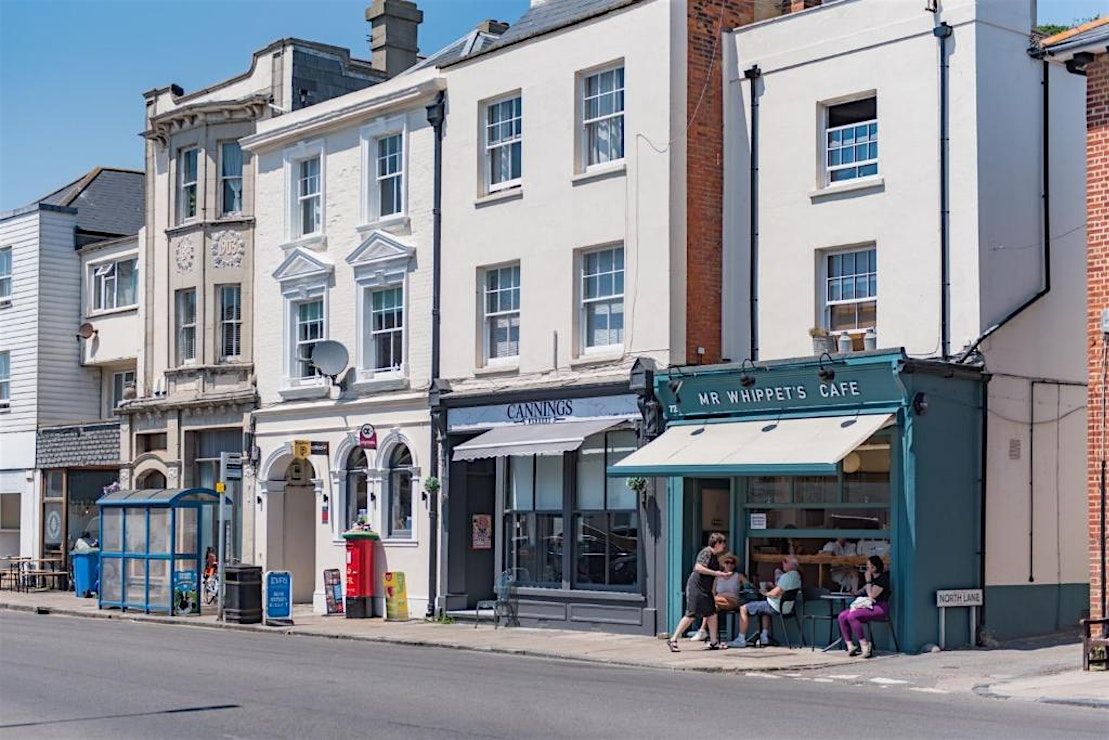
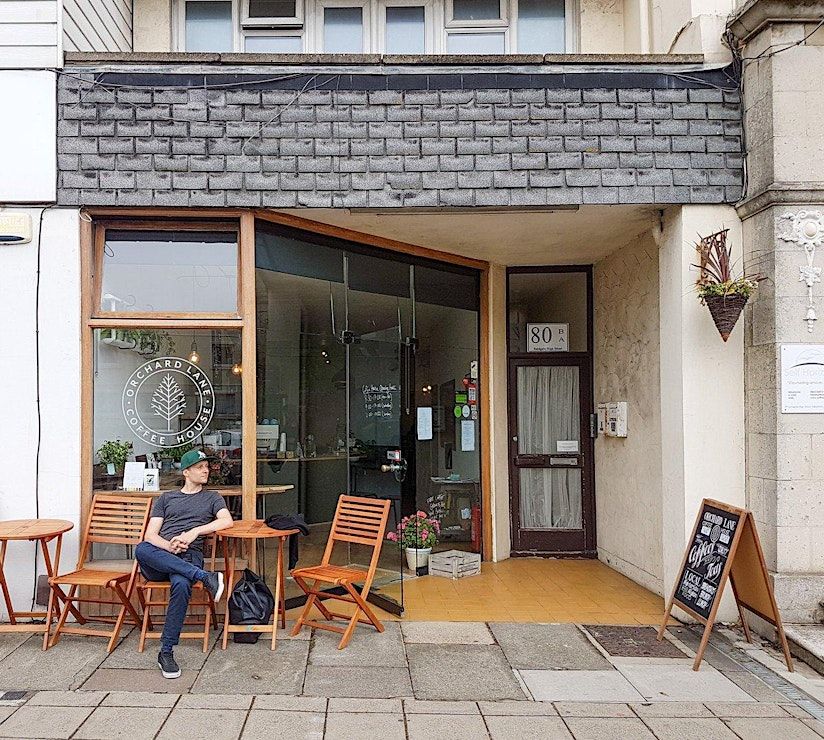
Image Credits: Sandgate High Street, Orchard Lane Coffee House
About the Facilitators
Lian Wilson MSMT/MSME Creative Director, Tamalpa UK
Lian is dyslexic — and it was movement, not the classroom, that first gave her a language for her real experience. Diagnosed officially in her 40s, she spent a lifetime navigating the challenges and quietly claiming the strengths that come with a neurodivergent mind.
A Master Somatic Movement Therapist and Educator (ISMETA) and Tamalpa Practitioner, Lian has spent over 25 years at the intersection of somatic movement, expressive arts, and health. She holds a BA in Community Dance from Bretton Hall (Leeds University) and graduated as a Tamalpa Practitioner in 2003 from the Tamalpa Institute in California, going on to work closely with Anna and Daria Halprin across trainings, workshops, and performances.
In 2012, she co-founded Tamalpa UK — bringing the Tamalpa Life/Art Process® to the UK for the first time. Since then she has led professional trainings and public workshops across Folkestone, Sandgate, London, and Scotland, and built a growing international online community.
Lian also served as Assistant Researcher at the Sidney De Haan Research Centre for Arts and Health (Canterbury Christ Church University), contributing to research in dance and dementia and dance for falls prevention.
Her work is rooted in a commitment to making the Tamalpa approach accessible, practical, and relevant — for every mind and body.
In both her professional and personal life, Lian is guided by her love of movement, creativity, nature, and a daily embodied practice that sustains vitality and resilience.
Sandra Maria Carey RSMT, RSME, SEP
Sandra Maria Carey is a Registered Somatic Movement Therapist (RSMT) and a Registered Somatic Movement Educator (RSME), accredited by the International Somatic Movement Education and Therapy Association (ISMETA). She is a certified Tamalpa practitioner and a Somatic Experiencing trauma therapist. Her one-to-one work is also informed by Somatic Inner Relationship Focusing, a body-centred, parts-oriented psychotherapeutic approach. Sandra’s recovery from complex and inter-generational trauma has been profoundly supported by the practices of somatics and expressive arts, especially in relational contexts.
Sandra is from Ireland but has spent almost all her adult life alternately in the UAE and the UK, where she is now based. She is interested in intersectional de-colonial perspectives on all aspects of contemporary life, especially trauma, therapy, and neurodiversity. She is currently enrolled in the annual fellowship program, Decolonializing Therapy Foundations Training, and she completed Mbari: Art, Bodies, and Care at the End of the World, with Báyò Akómoláfé, Ph.D.
Sandra nurtures connection and continued healing mainly through ongoing inquiry, contemplative practices, and personal therapy; Tamalpa and nervous system-based activities; and through accompanying and supporting others as a practitioner – as well as engagement in the arts, movement, and time outdoors, and through cultivating interdependent relationships with her three adult daughters and close friends.
Where is it happening?
Chicester Memorial Hall, 70 Sandgate High Street, Sandgate, Folkestone, United KingdomEvent Location & Nearby Stays:
GBP 195.72 to GBP 244.48