CSA Supper Club: Eating Seasonally: Local Ecosystems & Seasonal Nutrition

About this Event
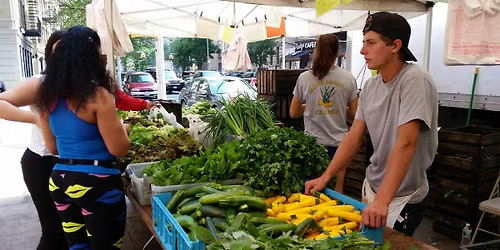
What does it truly mean to eat seasonally? Seasonal eating is more than purchasing what's available at the farmers market it's about learning to read the landscape, understand your local ecosystem, and recognize how nature supports our nutritional needs throughout the year.
Join us around the garden table to explore how seasonal foods reflect the changing needs of both the environment and our bodies. Together, we will examine what grows during each season, how local ecosystems shape the foods available to us, and how observing these natural cycles can help us make more intentional food choices. Participants will also learn how to identify nutritional strengths and limitations within their regional food system, encouraging a flexible approach that combines local foods with informed decisions about what may need to be supplemented or sourced elsewhere.
By the end of the workshop, participants will gain practical tools for observing seasonal change, understanding their local food landscape, and developing a deeper relationship with the place they call home.
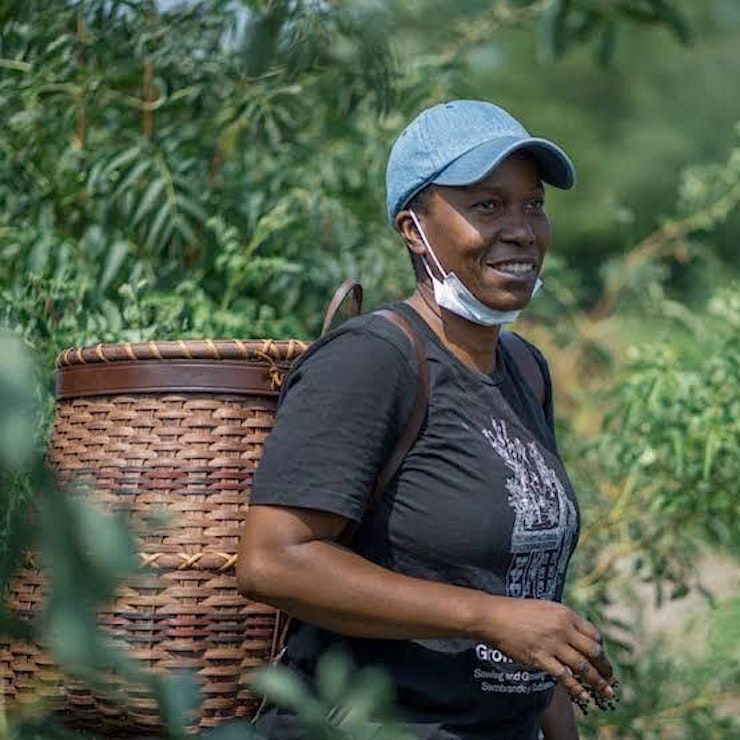
Your Facilitator:
Journei Bimwala is a clinical herbalist, foraging practitioner, nutrition health coach, and educator dedicated to helping people build meaningful relationships with the natural world through food and plants. Drawing from her experience in foraging, herbal medicine, and community education, she teaches participants how to reconnect with the landscapes they inhabit by making what is unknown known and what is known accessible. Her work weaves together traditional ecological knowledge, modern nutritional understanding, and cultural wisdom to inspire people to see food not only as nourishment, but as a pathway to health, connection, and stewardship.
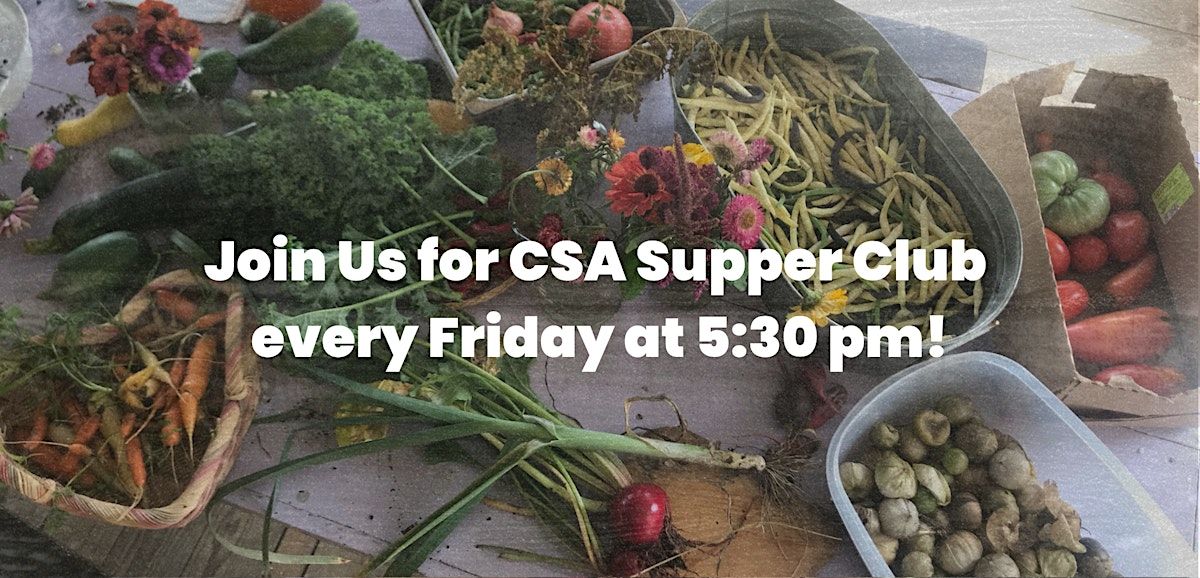
Cooking, sharing, and storytelling through the harvest of the season.
History, place, and imagination are all deeply rooted in what and how we grow and eat.
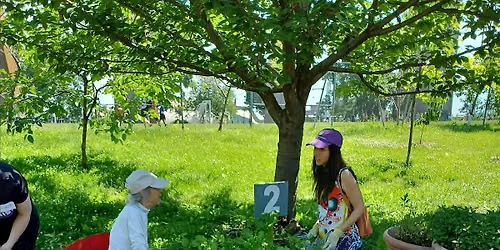
Each Friday evening, this supper club gathers around ingredients of the week--produce grown in the garden and food from our local CSA. A CSA (Community Supported Agriculture) is rooted in the idea that community members share in the risks and rewards of farming. By committing to a season’s harvest, we support farmers through the lands’ and our current food system’s uncertainties and in return, receive food that is grown in integrity and largely outside of the current extractive and exploitive, harmful food systems.
Together, we’ll gather to deepen our relationships with the sources of our food and our empathy for the people’s whose hands that food has passed through.
Through collaborative cooking, recipe-sharing, and conversations around the table, we explore the cultural, ecological, and personal dimensions of food. Drawing inspiration from our kitchen’s stories, cookbooks, and the week’s harvest, we’ll discover how the simple act of preparing and sharing a meal can connect us more deeply to land-workers, food-workers, and to the land theirself.
This is a free drop-in program. Come to every class or come to one or two that you are available for.
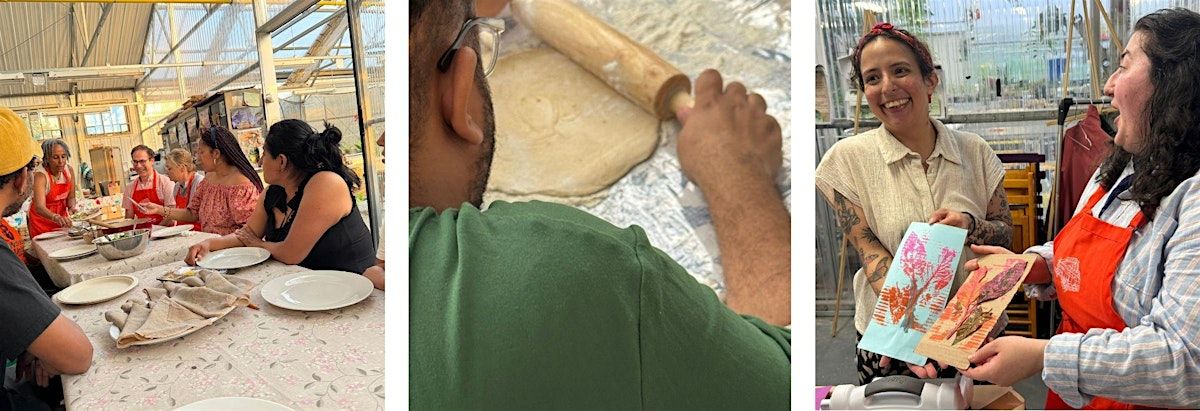
Workshops are rain or shine.
Accessibility: Our kitchen/classroom space is wheelchair accessible. With prior planning, we can add a few small mats onto the pebbled ground of greenhouse to make a small wheel-chair accessible path. Our learning garden has grass paths, and the entrance is through a gate with a small, raised entrance. Our tables can be lowered/raised, and we have several backless benches or stools. Our kitchen is in regular use, and while we try to cook without peanuts, much of our cookware is shared and we cannot guarantee a nut-free environment. We have a first aid kit, and the closest AED is in another building several yards away. Drinking water is made available in refillable pitchers.
When inside the greenhouse and kitchen we will open our double-doors and windows to vent the space and encourage masking and social distancing when in more closed-in spaces.
Our closest bathrooms are a building away, about a one-minute walk. A gender neutral bathroom is also available, and this is accessible by key which you can request from staff. We are not a scent-free zone, and because herbalism classes take place here, cannot guarantee that the site will be clear of any essential oil smells. If you have needs not addressed here, please reach out to Mallory Craig at [email protected].
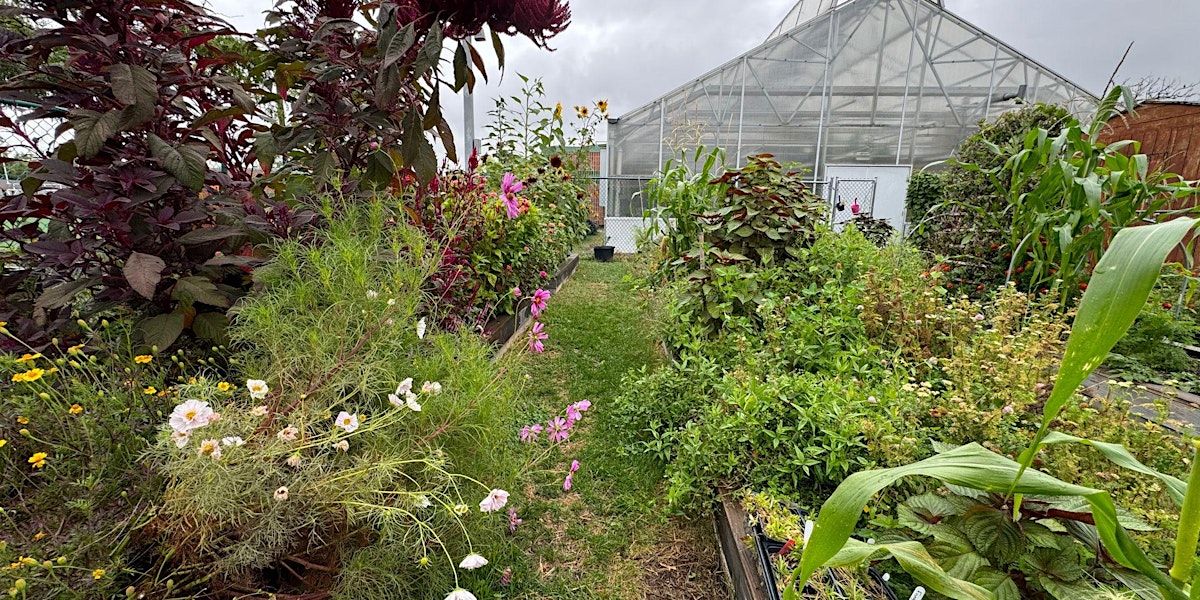
Where is it happening?
Event Location & Nearby Stays:
USD 0.00