Margarita Balanas un Liepājas Simfoniskais orķestris

Advertisement
ENG BELOW
Piedalās:
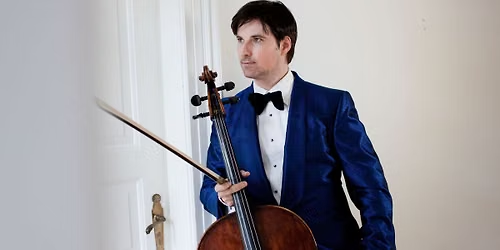
Margarita Balanas (čells)
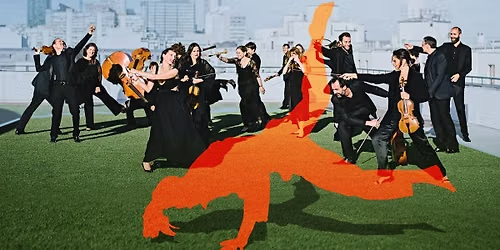
Liepājas Simfoniskais orķestris
Diriģents: Daglass Bostoks
Programmā:
Edvards Elgārs (1857-1934) Koncerts čellam un orķestrim
Ralfs Vons-Viljamss (1872-1958) Londonas simfonija
Gustavs Holsts (1874-1934) Fantasta svīta
Starptautiski atzītā latviešu čelliste Margarita Balanas kopā ar Liepājas Simfonisko orķestri aicina uz vakaru, kurā savīsies trīs britu 20. gadsimta sākuma komponistu rokraksti. Pie diriģenta pults stāsies britu maestro Daglass Bostoks.
Vakara centrā – Edvarda Elgāra Koncerts čellam un orķestrim, komponista vēlīnās daiļrades centrālais opuss un viens no čella repertuāra nozīmīgākajiem skaņdarbiem.
Čellkoncerts tapis pēc Pirmā pasaules kara, komponistam uzturoties nomaļā lauku mājā Saseksā. Dabas tuvums un izolācija no pilsētas un kara trokšņiem, apvienojumā ar apziņu par kara radīto postu, veicināja Elgāra stila maiņu uz askētiskāku, koncentrētāku un introspektīvāku izteiksmi.
Akadēmiskajā literatūrā Elgāra Čellkoncerts nereti tiek interpretēts kā atvadīšanās darbs. Tā tapšanas laikā bija ievērojami pasliktinājusies komponista sievas Alises veselība, un nepilnu gadu pēc skaņdarba pirmatskaņojuma viņa devās mūžībā.
Pēc dzīvesbiedres nāves Elgāra radošā darbība praktiski apraujas. Turpmākajos 14 dzīves gados viņš vairs nerada nozīmīgus liela apjoma darbus, un pētnieki visai pamatoti to saista tieši ar sievas zaudējumu.
Šī skaņdarba atskaņošanā kopā ar Liepājas Simfonisko orķestri uz skatuves kāps Margarita Balanas, kuru kritika raksturo kā vienu no savas paaudzes spožākajām čellistēm.
Ralfa Vona-Viljamsa Londonas simfonija ir viens no nozīmīgākajiem 20. gadsimta sākuma britu simfoniskajiem darbiem, kas iezīmē komponista pāreju no nacionāli romantiskas uz plašāku simfonisko domāšanu.
Lai gan Vons-Viljamss pats uzsvēris, ka darbs nav programmiski ilustratīvs, simfonijā skaidri saklausāmi Londonas elementi — Vestminsteras zvanu motīvi, ielu muzikantu atskaņas un pilsētas ritmiskā spriedze, kas organiski iestrādāti simfoniskajā materiālā kā tembrāli vai ritmiski impulsi.
Simfonija ieņem īpašu vietu britu mūzikas vēsturē ne vien ar savu vērienīgo formu, bet arī ar estētisko programmu: Vons-Viljamss tajā apliecina pārliecību, ka nacionālā identitāte mūzikā var izpausties ne tikai tautas mūzikas citātu tiešā lietojumā, bet arī muzikālās valodas harmoniskajā domāšanā un laika plūdumā.
Gustava Holsta Fantasta svīta (Phantastes) Liepājā piedzīvos pirmo sastapšanos ar klausītājiem kopš tās pirmatskaņojuma tālajā 1912. gadā.
Kā norāda diriģents Daglass Bostoks, pēc šī vienīgā atskaņojuma Holsts darbu atsauca un izslēdza no savas oficiālās darbu uzskaites, uzskatot to par mākslinieciski nepilnīgi realizētu ieceri. Līdz ar to Fantasta svīta palikusi ārpus koncertu repertuāra, atšķirībā no citiem Holsta tālaika darbiem, kas vēlāk nostiprinājās kanonā.
Svīta izgaismo Holstu kā komponistu meklējumu procesā: tajā savijas spilgtas simfoniskas krāsas, ritmiska vitalitāte un eksperimentāla forma, iezīmējot idejas, kas vēlāk attīstīsies nobriedušākos darbos. Tādējādi tā sniedz vērtīgu ieskatu komponista radošās valodas veidošanās posmā un piedāvā retu iespēju iepazīt mazāk zināmu, taču nozīmīgu britu simfoniskās mūzikas lappusi.
INFORMĀCIJA APMEKLĒTĀJIEM:
Atlaides:
Studentiem, invalīdiem, pensionāriem – 5 eiro
Skolēniem – 50%
3+ ģimenes kartes īpašniekiem – 30%
Pavadonim personai ar I/II grupas invaliditāti – 50%
Grupām (10 un vairāk apmeklētājiem) – 20%
Pērkot grupu biļetes internetā, lūdzam rakstīt uz e-pastu [email protected]
Apmeklējot koncertu, apmeklētājam ir jāuzrāda tiesības uz atlaidi apliecinošs dokuments.
Noderīgi:
Koncerts pieejams cilvēkiem ar dzirdes traucējumiem, jo tā laikā tiks aktivizēta indukcijas cilpas funkcija. Ņemot vērā cilvēku ar dzirdes traucējumiem izteikto pieredzi, izmēģinot šo sistēmu, vislabākā klausīšanās pieredze iespējama sēdvietās partera centra zonā no 5. līdz 12. rindai – no 6. līdz 28. vietai.
Koncertu atbalsta Latvijas Republikas Kultūras ministrija, Valsts kultūrkapitāla fonds un Liepājas pilsēta.
________________
MARGARITA BALANAS WITH LIEPĀJA SYMPHONY ORCHESTRA
Featuring:
Margarita Balanas (cello)
Liepāja Symphony Orchestra
Conductor: Douglas Bostock
Programme:
Edward Elgar (1857-1934) Cello Concerto
Ralph Vaughan Williams (1872-1958) A London Symphony
Gustav Holst (1874-1934) Phantastes Suite
Internationally acclaimed Latvian cellist Margarita Balanas, together with the Liepāja Symphony Orchestra, invites you to an evening that weaves together the distinctive voices of three early-20th-century British composers. On the podium will be British maestro Douglas Bostock.
At the heart of the evening is Edward Elgar’s Cello Concerto, a central work of the composer’s late period. It is also one of the most important pieces in the cello repertoire.
The concerto was written after the First World War, while the composer was staying in a secluded country house in Sussex. Proximity to nature and isolation from the city—and from the noise of war—combined with an awareness of the devastation it had caused, fostered a shift in Elgar’s style toward a more austere, focused, and introspective expression.
In academic literature, Elgar’s Cello Concerto is often interpreted as a work of farewell. During its composition, the health of the composer’s wife, Alice, deteriorated markedly, and less than a year after the work’s premiere she passed away.
After the death of his life partner, Elgar’s creative activity virtually came to a halt. Over the following 14 years he produced no major large-scale works—a fact that scholars have convincingly linked to the loss of his wife.
Performing this work with the Liepāja Symphony Orchestra will be Margarita Balanas, whom critics describe as one of the most compelling cellists of her generation.
Ralph Vaughan Williams’ A London Symphony is one of the most significant British symphonic works of the early 20th century, marking the composer’s transition from a national-romantic idiom toward broader symphonic thinking.
Although Vaughan Williams emphasized that the work is not programmatically illustrative, distinctly London elements can be heard throughout—the tolling motifs of Westminster bells, echoes of street musicians, and the city’s rhythmic tension—organically embedded in the symphonic fabric as timbral or rhythmic impulses.
The symphony holds a special place in British music history not only for its expansive form, but also for its aesthetic programme: in it Vaughan Williams affirms the belief that national identity in music may be expressed not only through the direct use of folk-music quotations, but also through harmonic thinking and the shaping of musical time itself.
Gustav Holst’s Phantastes Suite will be heard in Liepāja for the first time since its premiere in 1912.
As conductor Douglas Bostock notes, after this single performance Holst withdrew the piece and removed it from his official catalogue of works, considering it an artistically incomplete realization of his idea. As a result, the Phantastes Suite has remained outside the concert repertoire, unlike other works from the same period that later became established in the canon.
The suite reveals Holst as a composer in a period of artistic exploration: it brings together vivid symphonic colours, rhythmic vitality, and an experimental form, foreshadowing ideas that would later develop in more mature works. In this way, it offers valuable insight into the formation of the composer’s musical language and provides a rare opportunity to encounter a lesser-known yet significant page in British symphonic music.
INFORMATION FOR OUR VISITORS:
Discounts:
Students, disabled persons, pensioners – 5 euros
Pupils - 50%
Family 3+ card holders - 30%
For a companion of a person with a disability of group I or II - 50%
Groups (10 or more people) – 20%
When purchasing group tickets online, please send an e-mail to [email protected]
When attending the concert, the visitor must present a document certifying their eligibility to a discount.
Useful:
The concert is accessible to people with hearing impairments, as the induction loop function will be activated during it. Based on the experiences of people with hearing impairments when trying this system, the best listening experience is possible in seats in the center parterre area from rows 5 to 12 - from 6 to 28.
The Concert is supported by the Ministry of Culture of the Republic of Latvia and the Liepāja City.
Piedalās:
Margarita Balanas (čells)
Liepājas Simfoniskais orķestris
Diriģents: Daglass Bostoks
Programmā:
Edvards Elgārs (1857-1934) Koncerts čellam un orķestrim
Ralfs Vons-Viljamss (1872-1958) Londonas simfonija
Gustavs Holsts (1874-1934) Fantasta svīta
Starptautiski atzītā latviešu čelliste Margarita Balanas kopā ar Liepājas Simfonisko orķestri aicina uz vakaru, kurā savīsies trīs britu 20. gadsimta sākuma komponistu rokraksti. Pie diriģenta pults stāsies britu maestro Daglass Bostoks.
Vakara centrā – Edvarda Elgāra Koncerts čellam un orķestrim, komponista vēlīnās daiļrades centrālais opuss un viens no čella repertuāra nozīmīgākajiem skaņdarbiem.
Čellkoncerts tapis pēc Pirmā pasaules kara, komponistam uzturoties nomaļā lauku mājā Saseksā. Dabas tuvums un izolācija no pilsētas un kara trokšņiem, apvienojumā ar apziņu par kara radīto postu, veicināja Elgāra stila maiņu uz askētiskāku, koncentrētāku un introspektīvāku izteiksmi.
Akadēmiskajā literatūrā Elgāra Čellkoncerts nereti tiek interpretēts kā atvadīšanās darbs. Tā tapšanas laikā bija ievērojami pasliktinājusies komponista sievas Alises veselība, un nepilnu gadu pēc skaņdarba pirmatskaņojuma viņa devās mūžībā.
Pēc dzīvesbiedres nāves Elgāra radošā darbība praktiski apraujas. Turpmākajos 14 dzīves gados viņš vairs nerada nozīmīgus liela apjoma darbus, un pētnieki visai pamatoti to saista tieši ar sievas zaudējumu.
Šī skaņdarba atskaņošanā kopā ar Liepājas Simfonisko orķestri uz skatuves kāps Margarita Balanas, kuru kritika raksturo kā vienu no savas paaudzes spožākajām čellistēm.
Ralfa Vona-Viljamsa Londonas simfonija ir viens no nozīmīgākajiem 20. gadsimta sākuma britu simfoniskajiem darbiem, kas iezīmē komponista pāreju no nacionāli romantiskas uz plašāku simfonisko domāšanu.
Lai gan Vons-Viljamss pats uzsvēris, ka darbs nav programmiski ilustratīvs, simfonijā skaidri saklausāmi Londonas elementi — Vestminsteras zvanu motīvi, ielu muzikantu atskaņas un pilsētas ritmiskā spriedze, kas organiski iestrādāti simfoniskajā materiālā kā tembrāli vai ritmiski impulsi.
Simfonija ieņem īpašu vietu britu mūzikas vēsturē ne vien ar savu vērienīgo formu, bet arī ar estētisko programmu: Vons-Viljamss tajā apliecina pārliecību, ka nacionālā identitāte mūzikā var izpausties ne tikai tautas mūzikas citātu tiešā lietojumā, bet arī muzikālās valodas harmoniskajā domāšanā un laika plūdumā.
Gustava Holsta Fantasta svīta (Phantastes) Liepājā piedzīvos pirmo sastapšanos ar klausītājiem kopš tās pirmatskaņojuma tālajā 1912. gadā.
Kā norāda diriģents Daglass Bostoks, pēc šī vienīgā atskaņojuma Holsts darbu atsauca un izslēdza no savas oficiālās darbu uzskaites, uzskatot to par mākslinieciski nepilnīgi realizētu ieceri. Līdz ar to Fantasta svīta palikusi ārpus koncertu repertuāra, atšķirībā no citiem Holsta tālaika darbiem, kas vēlāk nostiprinājās kanonā.
Svīta izgaismo Holstu kā komponistu meklējumu procesā: tajā savijas spilgtas simfoniskas krāsas, ritmiska vitalitāte un eksperimentāla forma, iezīmējot idejas, kas vēlāk attīstīsies nobriedušākos darbos. Tādējādi tā sniedz vērtīgu ieskatu komponista radošās valodas veidošanās posmā un piedāvā retu iespēju iepazīt mazāk zināmu, taču nozīmīgu britu simfoniskās mūzikas lappusi.
INFORMĀCIJA APMEKLĒTĀJIEM:
Atlaides:
Studentiem, invalīdiem, pensionāriem – 5 eiro
Skolēniem – 50%
3+ ģimenes kartes īpašniekiem – 30%
Pavadonim personai ar I/II grupas invaliditāti – 50%
Grupām (10 un vairāk apmeklētājiem) – 20%
Pērkot grupu biļetes internetā, lūdzam rakstīt uz e-pastu [email protected]
Apmeklējot koncertu, apmeklētājam ir jāuzrāda tiesības uz atlaidi apliecinošs dokuments.
Noderīgi:
Koncerts pieejams cilvēkiem ar dzirdes traucējumiem, jo tā laikā tiks aktivizēta indukcijas cilpas funkcija. Ņemot vērā cilvēku ar dzirdes traucējumiem izteikto pieredzi, izmēģinot šo sistēmu, vislabākā klausīšanās pieredze iespējama sēdvietās partera centra zonā no 5. līdz 12. rindai – no 6. līdz 28. vietai.
Koncertu atbalsta Latvijas Republikas Kultūras ministrija, Valsts kultūrkapitāla fonds un Liepājas pilsēta.
________________
MARGARITA BALANAS WITH LIEPĀJA SYMPHONY ORCHESTRA
Featuring:
Margarita Balanas (cello)
Liepāja Symphony Orchestra
Conductor: Douglas Bostock
Programme:
Edward Elgar (1857-1934) Cello Concerto
Ralph Vaughan Williams (1872-1958) A London Symphony
Gustav Holst (1874-1934) Phantastes Suite
Internationally acclaimed Latvian cellist Margarita Balanas, together with the Liepāja Symphony Orchestra, invites you to an evening that weaves together the distinctive voices of three early-20th-century British composers. On the podium will be British maestro Douglas Bostock.
At the heart of the evening is Edward Elgar’s Cello Concerto, a central work of the composer’s late period. It is also one of the most important pieces in the cello repertoire.
The concerto was written after the First World War, while the composer was staying in a secluded country house in Sussex. Proximity to nature and isolation from the city—and from the noise of war—combined with an awareness of the devastation it had caused, fostered a shift in Elgar’s style toward a more austere, focused, and introspective expression.
In academic literature, Elgar’s Cello Concerto is often interpreted as a work of farewell. During its composition, the health of the composer’s wife, Alice, deteriorated markedly, and less than a year after the work’s premiere she passed away.
After the death of his life partner, Elgar’s creative activity virtually came to a halt. Over the following 14 years he produced no major large-scale works—a fact that scholars have convincingly linked to the loss of his wife.
Performing this work with the Liepāja Symphony Orchestra will be Margarita Balanas, whom critics describe as one of the most compelling cellists of her generation.
Ralph Vaughan Williams’ A London Symphony is one of the most significant British symphonic works of the early 20th century, marking the composer’s transition from a national-romantic idiom toward broader symphonic thinking.
Although Vaughan Williams emphasized that the work is not programmatically illustrative, distinctly London elements can be heard throughout—the tolling motifs of Westminster bells, echoes of street musicians, and the city’s rhythmic tension—organically embedded in the symphonic fabric as timbral or rhythmic impulses.
The symphony holds a special place in British music history not only for its expansive form, but also for its aesthetic programme: in it Vaughan Williams affirms the belief that national identity in music may be expressed not only through the direct use of folk-music quotations, but also through harmonic thinking and the shaping of musical time itself.
Gustav Holst’s Phantastes Suite will be heard in Liepāja for the first time since its premiere in 1912.
As conductor Douglas Bostock notes, after this single performance Holst withdrew the piece and removed it from his official catalogue of works, considering it an artistically incomplete realization of his idea. As a result, the Phantastes Suite has remained outside the concert repertoire, unlike other works from the same period that later became established in the canon.
The suite reveals Holst as a composer in a period of artistic exploration: it brings together vivid symphonic colours, rhythmic vitality, and an experimental form, foreshadowing ideas that would later develop in more mature works. In this way, it offers valuable insight into the formation of the composer’s musical language and provides a rare opportunity to encounter a lesser-known yet significant page in British symphonic music.
INFORMATION FOR OUR VISITORS:
Discounts:
Students, disabled persons, pensioners – 5 euros
Pupils - 50%
Family 3+ card holders - 30%
For a companion of a person with a disability of group I or II - 50%
Groups (10 or more people) – 20%
When purchasing group tickets online, please send an e-mail to [email protected]
When attending the concert, the visitor must present a document certifying their eligibility to a discount.
Useful:
The concert is accessible to people with hearing impairments, as the induction loop function will be activated during it. Based on the experiences of people with hearing impairments when trying this system, the best listening experience is possible in seats in the center parterre area from rows 5 to 12 - from 6 to 28.
The Concert is supported by the Ministry of Culture of the Republic of Latvia and the Liepāja City.
Advertisement
Where is it happening?
Liepājas koncertzāle Lielais dzintars / Concert hall Great Amber, Radio iela 8,Liepaja, Latvia
Event Location & Nearby Stays:
Know what’s Happening Next — before everyone else does.
Host or PublisherLiepaja Symphony Orchestra