Silica and Dust – What We’ve Learned and Where We’re Improving

About this Event
Respirable crystalline silica dust is a well-known health risk. Concern has recently intensified due to high-silica kitchen benchtop products, which have caused serious health issues for many workers.
While dust exposure is common on worksites, its health impacts have not always been adequately assessed or controlled. WHS regulations require exposure monitoring and health surveillance, but these requirements are not always well understood.
Emerging advances in dust risk categorisation, control monitoring, and real-time technologies, alongside improved health screening, offer the potential for much better lung health outcomes in the future.
Please join us to hear about current projects in this area at an open workshop.
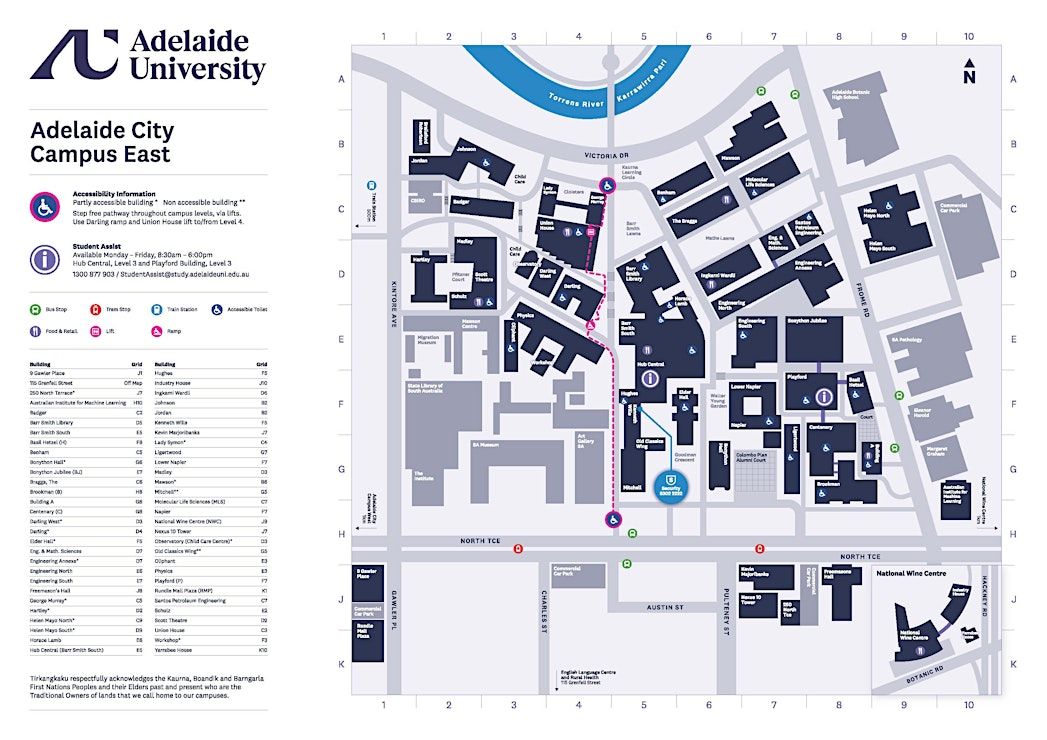
Barr Smith South
Agenda
🕑: 09:00 AM - 09:15 AM
Welcome
Host: A/Professor Sharyn Gaskin
Info: Adelaide Exposure Science and Health - Adelaide University
🕑: 09:15 AM - 09:45 AM
Dr Paris Papagianis - Worksite-based screening fr silicosis using chemicals
Info: Monash Team are developing a portable test to detect silicosis using chemicals in exhaled breath. Silicosis is currently diagnosed only after hospital-based imaging detects irreversible lung scarring. Portable screening solutions are needed for remote worksites where imaging facilities are unavailable. Our test is based on immediate detection of silicosis-specific chemicals using a simple-to-interpret traffic-light-system to identify a silicosis breath fingerprint. Our test will allow screening on worksites, reducing barriers such as travel, specialist access and cost. This will offer more equitable and improved screening for workers at remote locations to support their retention in key industries, including mining.
🕑: 09:45 AM - 10:15 AM
Kate Cole - The road to healthier tunnelling workplaces: Building on lessons
Info: Tunnel construction can generate RCS through rock excavation and the use of silica-containing materials such as shotcrete, concrete and grout. New South Wales, where more than half of Australia's major tunnels have been built, offers a substantial evidence base about what works well, where challenges arise, and which aspects benefit from early attention.
This session brings that experience into practical lessons for South Australia. Drawing on recent research, it examines exposure trends across tunnel boring machine, mined, and cut-and-cover methods from 2016 to 2024, showing where controls have worked well and where there is room for improvement. It explains why respiratory protective equipment does not always deliver its expected protection in practice, reinforcing the value of prioritising engineering controls such as ventilation. It shares what stakeholders across the industry, from workers to occupational hygienists to government clients, say about translating awareness into acti
🕑: 10:30 AM - 11:00 AM
Morning Tea - NETWORKING
🕑: 11:00 AM - 11:20 AM
Dr Anand Rose - Consultant Respiratory & Sleep Physician Staff Specialist.
Info: Each year, thousands of Australian workers continue to be exposed to respirable crystalline silica (RCS) across construction, mining, tunnelling, quarrying, manufacturing and emerging industries. Are you proactively identifying at-risk workers and monitoring their lung health? With recently updated National Guidance now available, WHS Specialists and doctors play a critical role in early identification, timely diagnosis and appropriate management of silica-related disease in primary care.
National guidance for doctors assessing workers exposed to respirable crystalline silica dust
🕑: 11:20 AM - 11:30 AM
Wrap up and Qs
Where is it happening?
Event Location & Nearby Stays:
AUD 0.00