RiseUp: From Healing to Thriving

About this Event
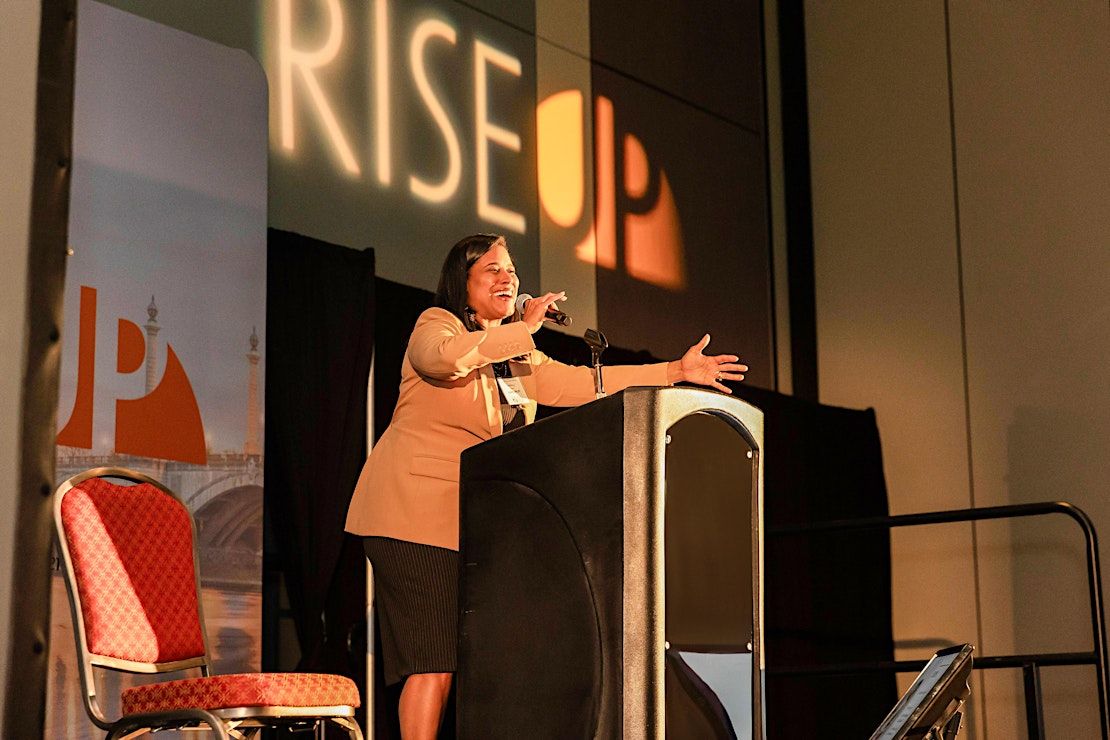
Helix Human Services is returning with its 3rd Annual Conference: RiseUp: From Healing to Thriving.
This year, we take the next step in the journey by exploring an important question: What happens after healing begins and resilience is built?
RiseUp 2026: From Healing to Thriving moves the conversation beyond recovery and into sustained growth, empowerment, purpose, and long-term wellbeing. Thriving does not mean trauma disappears. It means individuals, professionals, and communities develop the strength, support systems, and tools to continue growing even when challenges arise. Healing opens the door to thriving.
Research continues to show that exposure to trauma, including abuse, neglect, violence, discrimination, and other adverse experiences can significantly impact lifelong health, relationships, behavior, and overall wellbeing. This conference is designed to deepen understanding of trauma and trauma-informed care while equipping attendees with practical strategies that can be applied personally, professionally, and within their communities.
As part of this year’s theme, the conference will also explore the lasting impact of triggers and secondary trauma. Many professionals and caregivers supporting trauma-impacted individuals often carry emotional stress themselves. Sessions will address recognizing triggers, preventing burnout and compassion fatigue, building emotional regulation skills, and creating sustainable practices that support both personal wellness and professional effectiveness.
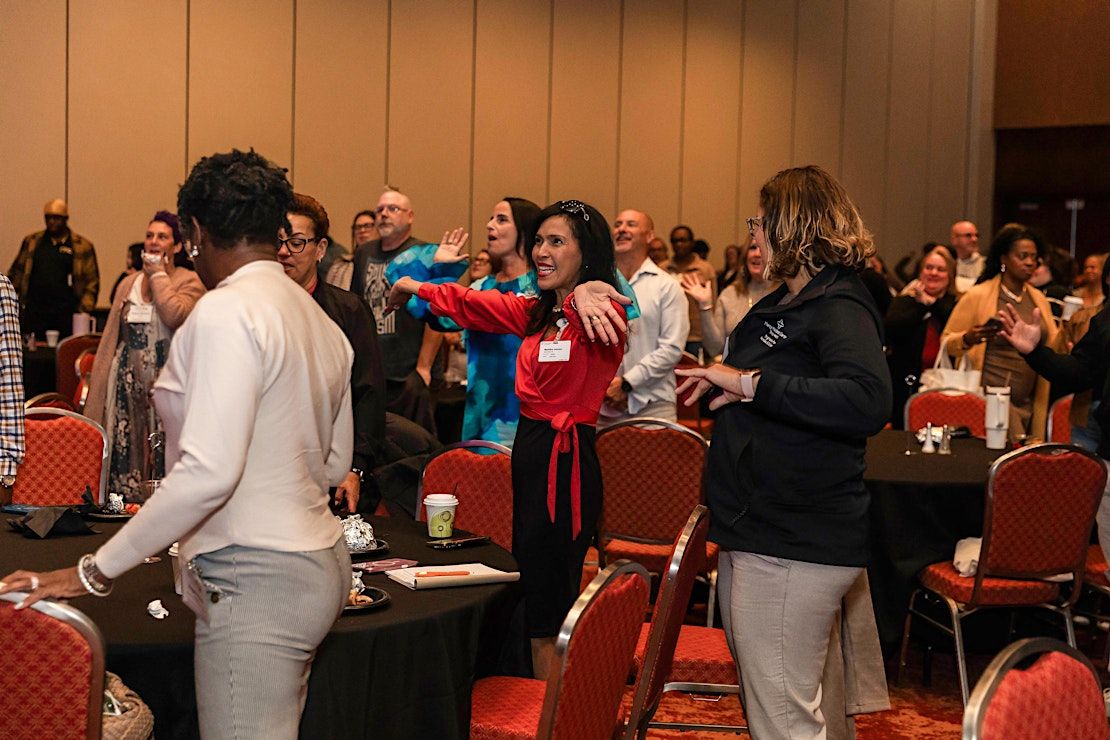
Through inspiring keynote speakers, engaging breakout sessions, and interactive learning opportunities, attendees will gain valuable insight into creating emotionally safe environments, fostering resilience, preventing burnout, and supporting long-term healing and growth.
The conference is designed for educators, social workers, clinicians, mentors, caregivers, first responders, community leaders, and anyone dedicated to supporting vulnerable children, families, and communities.
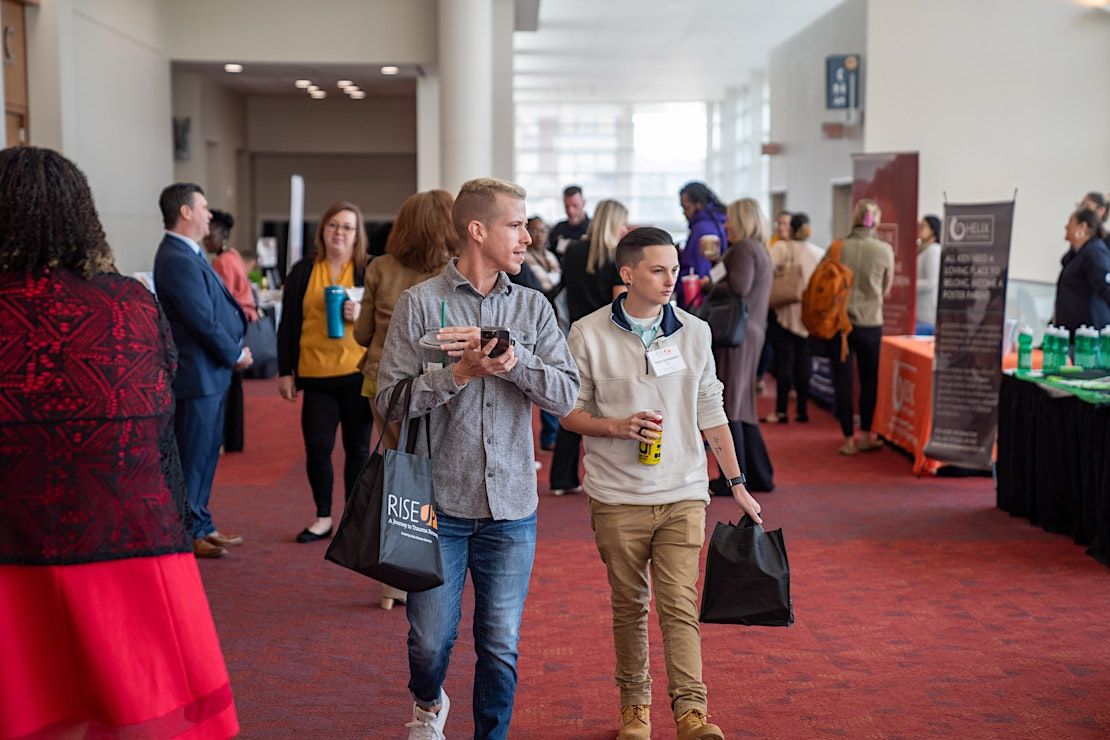
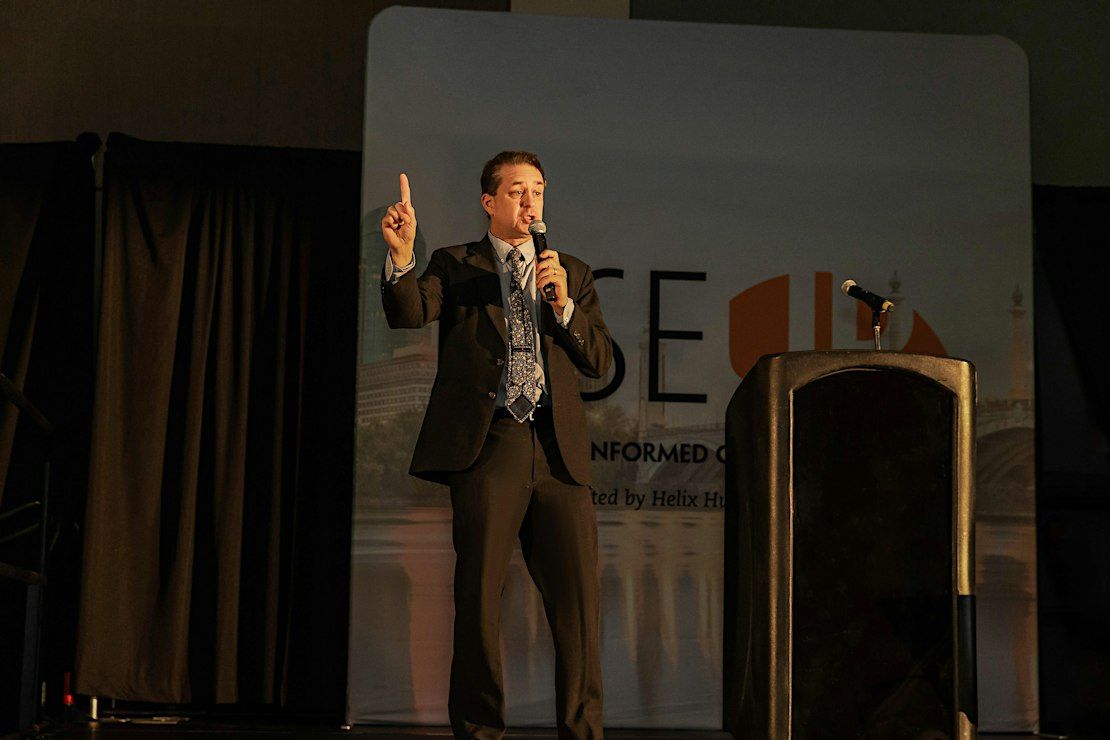
The event will feature three keynote speakers, multiple breakout sessions led by professionals in the field, networking opportunities, and CEUs for participants.
Topics include:
- Trauma-Informed Care
- De-Escalation Strategies
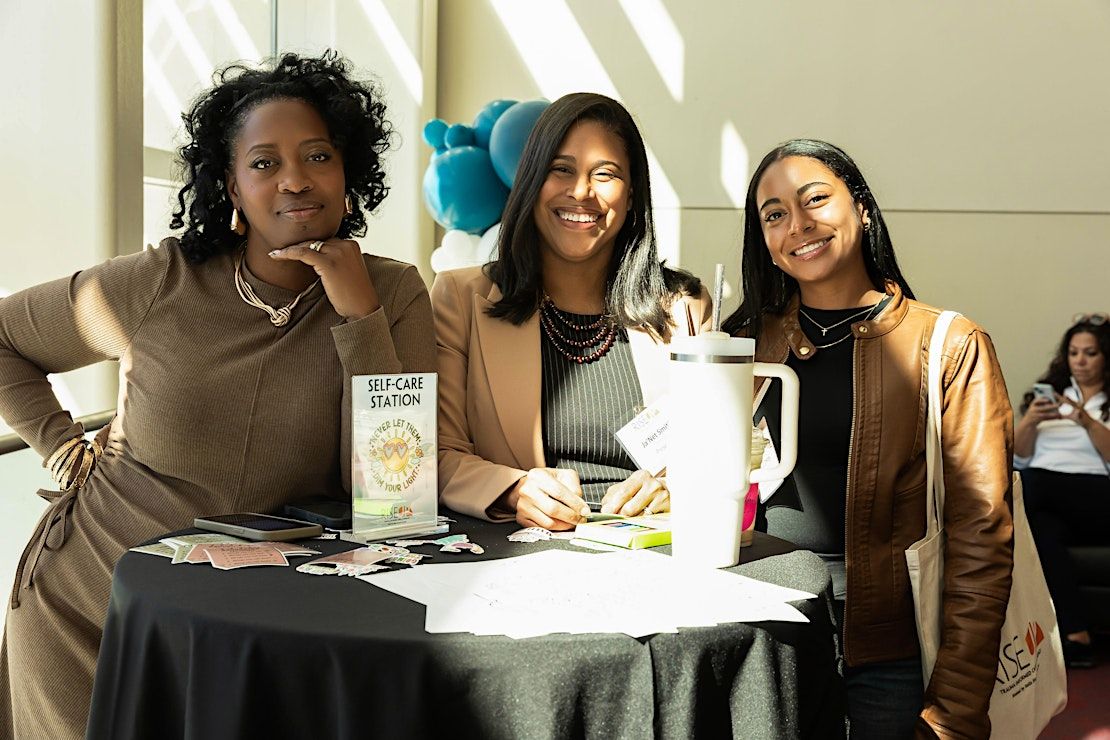
- Burnout & Self Care
- Secondary Trauma
- LGBTQIA+ and CSEC
- Intergenerational Trauma
- Trust, Belonging, and Success in the Classroom
- Cultural Humility
- Substance Use & Treatment
This transformative trauma-informed care conference promises to inspire, educate, and empower attendees with meaningful tools to move from healing toward thriving.
Morning Breakout Sessions (pick one from below)
Empowering the Voices of Marginalized Communities
Presented by: Krystyna Boisjolie, MCJ, LSW
About this session: In this workshop presenter will address Commercial Sexual Exploitation in both LGBTQIA+ communities and beyond, offer a parent’s personal perspective on their transgender son’s journey and provide strategies to manage Secondary Trauma symptoms.
This workshop will provide an overview of Commercial Sexual Exploitation of Children (CSEC) and Human Trafficking (HT), including common warning signs, risk factors, and how these issues impact vulnerable and marginalized populations within our communities. Participants will gain insight into internet safety concerns affecting youth, along with practical resources and intervention strategies for parents, caregivers, social workers, and other helping professionals.
The session will also explore LGBTQIA+ considerations and the unique challenges faced by youth and families navigating identity and acceptance, incorporating lived experience and personal perspective. Additionally, the workshop will address the impact of secondary trauma, helping participants recognize symptoms of emotional strain while offering practical self-care and regulation techniques to support long-term wellness and effectiveness in caregiving and professional roles.
Healing Together: Navigating Self-Care, Burnout, and Secondary Trauma in Helping Professions
Presented by: Shari Botwin, LCSW
About this session: In a world where those of us who care for others are often stretched to their limits, this keynote and workshop boldly confront the urgent need for healing, resilience, and self-care in the helping professions. Many of us in caregiving and social worker roles are ‘wounded healers’—individuals who have personally experienced trauma or adversity. Our own journeys with hardship often shape our empathy and commitment to supporting others.
This workshop will provide practical tools for managing stress, burnout, and secondary trauma in helping professions. Drawing from personal experience as a survivor, I will highlight the importance of self-care for professionals who support others while navigating their own healing.
Key objectives include equipping participants with strategies to manage their emotional well-being, develop effective coping mechanisms, and foster compassion and resilience in their work. Attendees will learn accessible self-care techniques, such as breathing exercises, and approaches for communicating takeaways emphasize the necessity of setting healthy boundaries, recognizing burnout symptoms, and understanding when to step back or say no. The session will reinforce that listening without judgment and prioritizing self-care are vital for sustained effectiveness and personal well-being. This workshop is especially beneficial for social workers and caregivers, supporting trauma-informed practice and promoting empathy, resilience, and quality care for vulnerable populations.
This program has been approved for 1.0 Social Work Continuing Education hours for relicensure, in accordance with 258 CMR. NASW-MA Chapter CE Approving Program, Authorization Number D 20420-5.
Engage to Excel: Building Trust, Belonging, and Success in the Classroom
Presented by: Vilenti Tulloch Sr, LAC, LCSW
About this session: This session explores how educators can intentionally cultivate trust, belonging, and student-centered learning environments to improve outcomes for students. Grounded in the Engage to Excel framework, the presentation highlights the critical role that relationships, identity, and student voice play in shaping both academic success and social-emotional development. Participants will examine practical, research-informed strategies for building authentic connections with students, particularly those from historically marginalized backgrounds. The session will also focus on moving students from dependent to independent learners through structured supports such as mentoring, reflective journaling, and individualized coaching.
Through real-world examples and interactive discussion, attendees will explore how to create learning spaces that affirm students’ lived experiences while fostering agency, resilience, and leadership. The session will conclude with opportunities for participants to reflect on their own contexts and develop actionable steps to strengthen engagement, belonging, and overall student success within their schools.
This program has been approved for 1.0 Social Work Continuing Education hours for relicensure, in accordance with 258 CMR. NASW-MA Chapter CE Approving Program, Authorization Number D 20420-3.
Panel Discussion - From Surviving to Thriving: Healing Through Community, Culture, and Purpose
Presented by: Lisa Zarcone, Areliz Barbosa and Lucille Germain
About this session: This panel session invites participants into an honest and transformative conversation about intergenerational trauma, healing, and what it truly means to move beyond survival and thrive. Grounded in lived experience, storytelling, and reflection, the presenters will share how trauma can be carried across generations, while also exploring the resilience, healing, and sense of purpose that can interrupt those cycles. The session will begin with the speakers sharing how their connection formed, creating a foundation of authenticity and relationship before each presenter reflects on their personal journey. A central theme throughout the discussion is that forgiveness does not always require reconciliation or restitution, but can serve as a meaningful step toward reclaiming peace and breaking generational patterns. The session will conclude with a facilitated 20-minute Q&A, offering participants space for reflection, connection, and shared learning.
Witnessing Grief: Supporting Healing in Children and Youth
Presented by: MJ Henry & Associates, Inc.
Martha J. Henry, PhD and Michael J. McManus, LICSW
About this session: People experience many types of loss throughout life. Children and youth in DCF care often face both universal and personal losses, including separation from family, pets, and communities, as well as major disruptions to daily life. These experiences can lead to grief—an intense, complex, and often non-linear response.
In this workshop, participants will reflect on the types of loss and grief experienced by young people and consider practical ways to support them. Through discussion, participants will explore approaches to talking about loss, engaging in supportive conversations, and helping children and youth express and process grief in meaningful ways.
This program has been approved for 1.0 Social Work Continuing Education hours for relicensure, in accordance with 258 CMR. NASW-MA Chapter CE Approving Program, Authorization Number D 20420-6.
The Body Speaks: What the Mind Suppresses, the Body Expresses
Presented by: Christian Escalona
About this session: Trauma often speaks through the body before survivors have language for what they are experiencing. Many individuals who have experienced childhood trauma, identity-based marginalization, addiction, eating disorders, or chronic emotional suppression present with physical symptoms that are frequently misunderstood or treated in isolation.
This workshop explores the connection between unresolved trauma and physical manifestations such as chronic pain, substance misuse, disordered eating, fatigue, gastrointestinal distress, hypervigilance, and nervous system dysregulation. Participants will examine how shame, “otherness,” and survival-based coping mechanisms disconnect individuals from their bodies.
Through clinical insight, lived experience, and practical intervention strategies, attendees will learn how to help clients move from survival mode toward embodiment, resilience, and healing. The workshop will emphasize trauma-informed approaches that foster emotional awareness, self-trust, and safe reconnection to the body while exploring strategies to support long-term regulation, coping, and recovery. Participants will leave with a deeper understanding of how trauma impacts the mind-body connection and practical tools to better support individuals navigating complex trauma and chronic stress.
This program has been approved for 1.0 Social Work Continuing Education hours for relicensure, in accordance with 258 CMR. NASW-MA Chapter CE Approving Program, Authorization Number D 20420-4.
Cultural Humility in Practice: Conversations We Need to Have
Presented by: Cristina Rivera, MSW, LICSW
About this session: We often talk about cultural competence in mental health spaces, but many professionals are still left wondering what meaningful, culturally responsive practice looks like in real conversations, relationships, and systems. This session explores cultural humility as an ongoing practice rather than a destination. One rooted in self-awareness, curiosity, accountability, and a willingness to examine how our identities, assumptions, and professional roles shape the work we do.
Through reflection, discussion, and scenarios drawn from a variety of settings, participants will explore how power, bias, lived experience, and systemic inequities show up in helping relationships. The session is designed to be interactive, honest, and thought-provoking while also offering strategies that participants can apply in their work.
This presentation creates a space to think more deeply about authenticity, connection, repair, and what culturally humble practice looks like in everyday interactions across mental health settings.
This program has been approved for 1.0 Social Work Continuing Education hours for relicensure, in accordance with 258 CMR. NASW-MA Chapter CE Approving Program, Authorization Number D 20420-7.
Afternoon Breakout Sessions (pick one from below)
Empowering the Voices of Marginalized Communities
Presented by: Krystyna Boisjolie, MCJ, LSW
About this session: In this workshop presenter will address Commercial Sexual Exploitation in both LGBTQIA+ communities and beyond, offer a parent’s personal perspective on their transgender son’s journey and provide strategies to manage Secondary Trauma symptoms.
This workshop will provide an overview of Commercial Sexual Exploitation of Children (CSEC) and Human Trafficking (HT), including common warning signs, risk factors, and how these issues impact vulnerable and marginalized populations within our communities. Participants will gain insight into internet safety concerns affecting youth, along with practical resources and intervention strategies for parents, caregivers, social workers, and other helping professionals.
The session will also explore LGBTQIA+ considerations and the unique challenges faced by youth and families navigating identity and acceptance, incorporating lived experience and personal perspective. Additionally, the workshop will address the impact of secondary trauma, helping participants recognize symptoms of emotional strain while offering practical self-care and regulation techniques to support long-term wellness and effectiveness in caregiving and professional roles.
Engage to Excel: Building Trust, Belonging, and Success in the Classroom
Presented by: Vilenti Tulloch Sr, LAC, LCSW,
About this session: This session explores how educators can intentionally cultivate trust, belonging, and student-centered learning environments to improve outcomes for students. Grounded in the Engage to Excel framework, the presentation highlights the critical role that relationships, identity, and student voice play in shaping both academic success and social-emotional development. Participants will examine practical, research-informed strategies for building authentic connections with students, particularly those from historically marginalized backgrounds. The session will also focus on moving students from dependent to independent learners through structured supports such as mentoring, reflective journaling, and individualized coaching.
Through real-world examples and interactive discussion, attendees will explore how to create learning spaces that affirm students’ lived experiences while fostering agency, resilience, and leadership. The session will conclude with opportunities for participants to reflect on their own contexts and develop actionable steps to strengthen engagement, belonging, and overall student success within their schools.
This program has been approved for 1.0 Social Work Continuing Education hours for relicensure, in accordance with 258 CMR. NASW-MA Chapter CE Approving Program, Authorization Number D 20420-3.
From Surviving to Self-Trust: A Trauma-Informed Path to Thriving
Presented by: Teresa Nieves, MSMOL
About this session: This interactive, trauma-informed session explores what it takes to move beyond survival mode and into a place of self-trust, authenticity, and sustainable growth. While many individuals begin the journey of healing, maintaining that healing—especially in the face of triggers, setbacks, or moments of re-traumatization—can feel overwhelming.
Participants will examine how trauma and lived experiences shape internal narratives, self-perception, and behavior, and how these patterns show up in the individuals and communities they support. Through guided reflection, real-world examples, and practical tools, this session equips professionals with strategies to foster emotional safety, build resilience, and strengthen authentic connections.
Grounded in a healing-centered and trauma-informed approach, this session supports attendees in helping others—and themselves—move beyond coping and into lasting growth, empowerment, and thriving.
This program has been approved for 1.0 Social Work Continuing Education hours for relicensure, in accordance with 258 CMR. NASW-MA Chapter CE Approving Program, Authorization Number D 20420-8.
Navigating Societal Awareness of Substance use and Treatment
Presented by: Matty O'Malley, Kate Smith, and Daniel Smola
About this session: This presentation focuses on the critical role of awareness, prevention, and client-centered care in addressing substance use and co-occurring mental health challenges. Drawing from both professional experience and lived insight, the discussion will explore how education, empathy, and evidence-based approaches can improve outcomes for individuals seeking recovery.
Participants will gain a deeper understanding of what truly constitutes client-centered treatment, emphasizing meeting individuals where they are, honoring their unique experiences, and supporting tailored pathways to recovery that address their specific needs.
The presentation will also highlight how personal lived experience can be transformed into meaningful professional development, strengthening providers' and advocates' ability to connect with those struggling, reduce stigma, and foster authentic engagement in the recovery process.
By combining awareness, prevention strategies, and practical insights, this session aims to equip attendees with tools and perspectives that help create more compassionate, effective, and responsive recovery support systems.
This program has been approved for 1.0 Social Work Continuing Education hours for relicensure, in accordance with 258 CMR. NASW-MA Chapter CE Approving Program, Authorization Number D 20420-10.
How Silence Shapes Trauma and How Language Heals It
Presented by: Jamilex Del Valle, LMHC
About this session: In this talk, trauma therapist and survivor Jamilex Del Valle explores how silence becomes a survival strategy in childhood and how that same silence can follow us into adulthood as confusion, self-blame, and emotional disconnection. When experiences go unnamed, people often internalize their pain as a personal flaw rather than a response to harm.
Blending lived experience with clinical insight, Jamilex introduces the concept that language is not just a tool for communication, it is a tool for healing. Naming emotions, patterns, and experiences creates clarity, restores identity, and allows individuals to move from survival into self-understanding.
This talk challenges the belief that healing begins with action, and instead offers a different starting point: awareness through language. Through powerful storytelling and psychological frameworks, audiences will learn how silence is formed, how it protects, and how breaking it can transform the way we relate to ourselves.
This program has been approved for 1.0 Social Work Continuing Education hours for relicensure, in accordance with 258 CMR. NASW-MA Chapter CE Approving Program, Authorization Number D 20420-9.
The Body Speaks: What the Mind Suppresses, the Body Expresses
Presented by: Christian Escalona
About this session: Trauma often speaks through the body before survivors have language for what they are experiencing. Many individuals who have experienced childhood trauma, identity-based marginalization, addiction, eating disorders, or chronic emotional suppression present with physical symptoms that are frequently misunderstood or treated in isolation.
This workshop explores the connection between unresolved trauma and physical manifestations such as chronic pain, substance misuse, disordered eating, fatigue, gastrointestinal distress, hypervigilance, and nervous system dysregulation. Participants will examine how shame, “otherness,” and survival-based coping mechanisms disconnect individuals from their bodies.
Through clinical insight, lived experience, and practical intervention strategies, attendees will learn how to help clients move from survival mode toward embodiment, resilience, and healing. The workshop will emphasize trauma-informed approaches that foster emotional awareness, self-trust, and safe reconnection to the body while exploring strategies to support long-term regulation, coping, and recovery. Participants will leave with a deeper understanding of how trauma impacts the mind-body connection and practical tools to better support individuals navigating complex trauma and chronic stress.
This program has been approved for 1.0 Social Work Continuing Education hours for relicensure, in accordance with 258 CMR. NASW-MA Chapter CE Approving Program, Authorization Number D 20420-4.
Healing Without Hierarchy: Reimagining Safety, Engagement, and Behavioral Support
Presented by: ChristianSmith, LICSW
About this session: Traditional behavioral interventions often prioritize control over connection, compliance over collaboration, and crisis management over long-term healing. This workshop challenges participants to reconsider how power, safety, and engagement operate within helping relationships and explores what becomes possible when behavioral support is rooted in dignity, emotional safety, and shared humanity.
Grounded in principles of emotional safety, co-regulation, and compassionate power-sharing, this session explores how helping professionals can move beyond crisis response toward approaches that foster long-term resilience, connection, and thriving. Participants will examine how nervous system activation, trauma, and power dynamics influence behavior across children, youth, families, and adults, while learning practical tools for responding to dysregulation in ways that preserve dignity, autonomy, and safety.
Through discussion, reflection, and real-world application, attendees will leave with concrete strategies for de-escalation, collaborative engagement, assertive boundary-setting, and relationship-centered support that can be immediately applied across clinical, educational, community-based, and human service settings.
Agenda
🕑: 07:30 AM - 08:30 AM
Registration Check-In, Networking & Breakfast
🕑: 08:30 AM - 09:00 AM
Welcome Message & Introductions
🕑: 09:00 AM - 10:15 AM
Morning Keynote: Shannon Mumblo
Host: Shannon Mumblo
Info: Radical Authenticity: Turning Your History into Your Leadership Roadmap - The session introduces the "Balcony Perspective," a framework that empowers leaders to step back from the daily "dance floor" of crisis management to view their organizational challenges through a healing-responsive lens. Attendees will explore how to integrate their own stories of healing with radical authenticity to build high-trust cultures, drive systemic advocacy, and move their teams from a state of "surviving" to "thriving." Blending powerful storytelling with evidence-based leadership strategies, this session provides a practical roadmap for leaders ready to transform their deepest personal challenges into their greatest professional strengths.
🕑: 10:15 AM - 10:30 AM
Break - Shop - Network
🕑: 10:30 AM - 11:45 AM
Morning Breakout Session
🕑: 12:00 PM
Lunch
🕑: 12:15 PM - 01:30 PM
Lunch Keynote: Bilqis Abdul-Qaadir
Host: Bilqis Abdul-Qaadir
Info: From the Bench to the Movement: Transforming Pain Into a Platform For Change - When the International Basketball Federation banned Bilqis Abdul-Qaadir from playing professionally because of her hijab, she faced a choice most people will never have to make: her faith or
her dream. She chose her faith but then refused to let that be the end of the story. What followed was a years-long campaign that brought together Olympic athletes, BBC audiences of 55 million, the White House, and a generation of Muslim girls who finally saw themselves represented. In this keynote, Bilqis walks audiences through the emotional and spiritual journey of transforming one of the most painful moments of her life into her greatest source of
purpose and offers a roadmap for how anyone sitting with grief, loss, or injustice can do the same through collaboration, story sharing and connection, and the focusing on the future as a form of service beyond the present.
🕑: 01:30 PM - 01:45 PM
Break - Shop - Network
🕑: 01:45 PM - 03:00 PM
Afternoon Breakout Session
🕑: 03:00 PM - 03:20 PM
Break - Shop - Network
🕑: 03:20 PM - 05:00 PM
Afternoon Keynote: Rachelle Hannoush
Host: Rachelle Hannoush
Info: The Power of Being Seen: From Trauma to Triumph - In this compelling and deeply personal keynote Rachelle Hannoush shares her powerful journey of resilience, healing, and hope. Growing up surrounded by generational trauma, cultural stigma, and systemic adversity, she was once labeled a “lost cause” a narrative that could have defined her future. But her story took a different path. Through moments of compassion, connection, and support from educators, and caring professionals, Rachelle began to experience something transformative: she was seen not for her challenges, but for her potential. That shift changed everything.
Where is it happening?
USD 188.58