OC EWRI Presents Multi-Benefit Adaptation to CA's Ultrahazardous Flood Risk

About this Event
Topic: Multi-benefit adaptation to California’s ultrahazardous flood risk
Speaker:
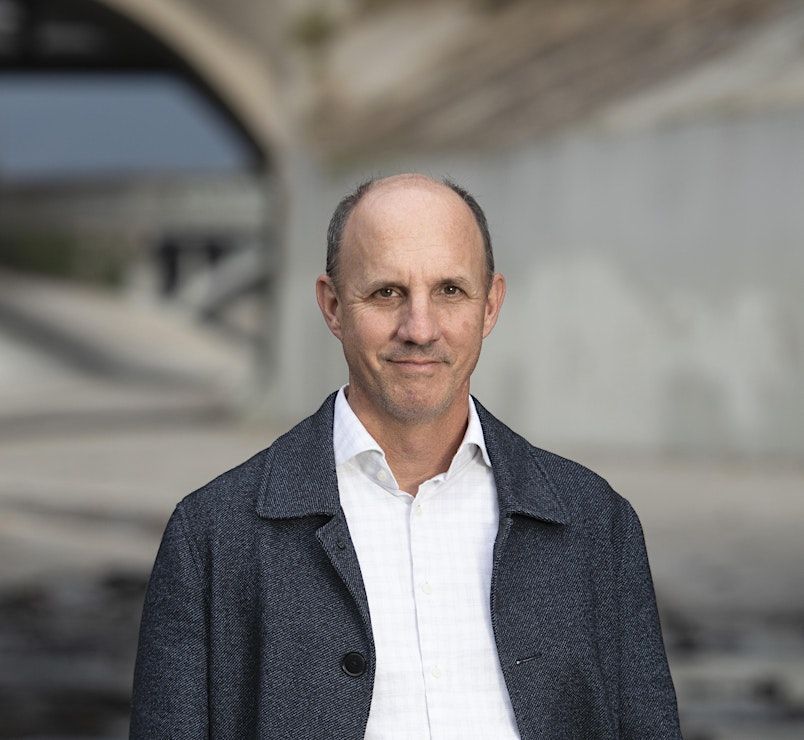
Brett Sanders, PhD, Chancellor's Professor, University of California, Irvine
Brett Sanders is a Chancellor’s Professor of Civil and Environmental Engineering. He earned a B.S. in Civil Engineering from the University of California, Berkeley and an M.S. and PhD in Civil Engineering at the University of Michigan emphasizing environmental fluid mechanics and computational methods. He currently serves as Director of the UC Irvine Climate Collaboration, an initiative that brings together expertise from many disciplines and community partners to address urgent climate, resilience and sustainability challenges in Orange County, California and beyond.
Dr. Sanders’ research seeks to promote improved understanding of and responses to flooding and erosion risks. His work addresses coastal, riverine, urban and mountain risks. He is the developer of the ParBreZo and PRIMo flood simulation models for compound risk assessment at local to regional scales, and his work has informed the practice of collaborative flood modeling for effective and equitable flood adaptation. Dr. Sanders focuses research on compound and interconnected climate risks, and he presently leads collaborative flood modeling projects in California and Florida.
Dr. Sanders is a Fellow in the Engineering Mechanics Institute of ASCE, a Fellow of the Environmental and Water Resources Institute of ASCE, a Fellow of the International Association for Hydro-Environment Research, a Fellow of the Faculty Academy for Teaching Excellence, a Science Advisory Panelist for the California Coastal Commission, the Chair of the Orange County Climate Resiliency Task Force, and the recipient of numerous teaching awards at UCI. He was recognized as one of the Most Influential People in Orange County by the OC Register.
Synopsis:
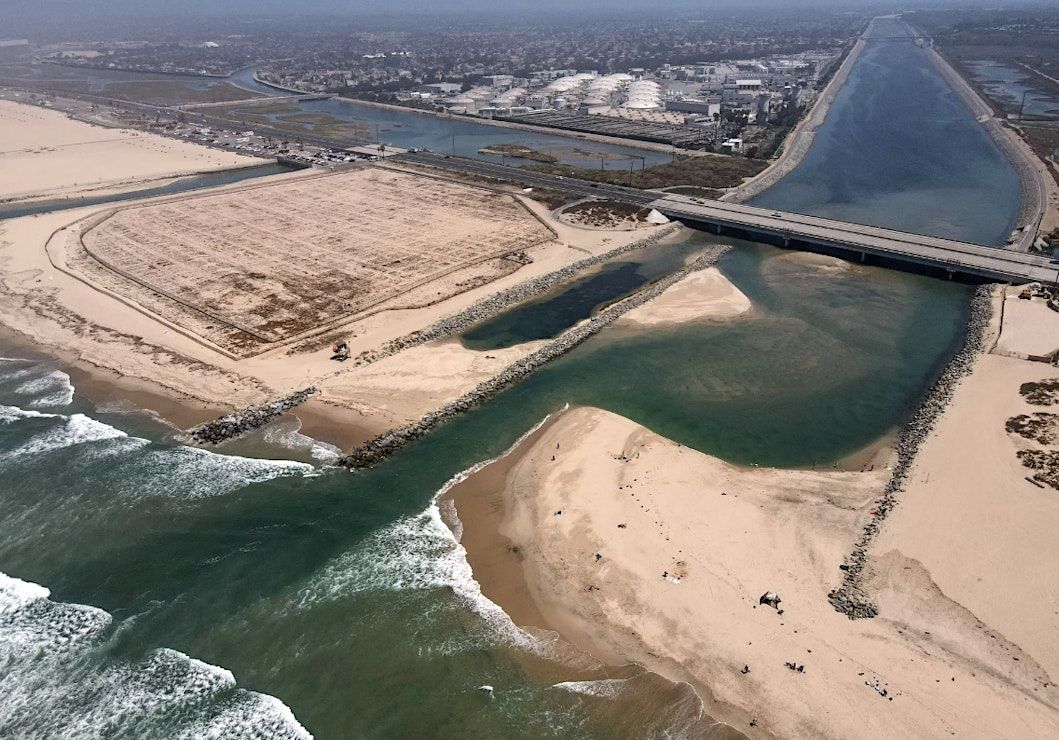
California’s coastal economic and population growth over the 20th century, from San Francisco down to San Diego, required the taming of deadly and destructive flash floods that brought mud and debris out of fire-scarred coastal mountains during Winter storms—what’s been called ultrahazardous flooding. That technical feat was achieved using hardened channels that were designed to quickly sweep flood waters to the coast, often under supercritical flow regimes. And from a flood protection perspective, the designs have proven to be very effective. However, California is now paying enormous costs linked to the adverse side effects of these designs: disrupted sediment fluxes that are costly to manage, poor surface water quality that requires extensive monitoring and source control measures, minimal riparian habitat and degraded ecosystems, poor stormwater capture efficiencies that increases reliance on costly imported water, high albedo that amplifies heat stress, and limited public access to parks and green spaces which are important for human health and wellbeing.
Now, there is growing interest in the naturalization of watersheds and flood infrastructure with the expectation of reversing these negative effects. In Los Angeles County, there is also a funding stream of roughly $300 million/year in Los Angeles County (Safe Clean Water Program) for watershed naturalization projects. However, despite considerable public interest, naturalization of hardened channels has proven challenging across coastal California due to several concerns including reduced capacities, heightened flood risks, informal settlements (i.e., homelessness), regulatory complications (e.g., endangered species act) and maintenance costs. Is this a viable direction?
This talk will share results from the FloodRISE – Los Angeles project which explored the feasibility of naturalization without worsening flood risks, using Parallel Raster Inundation Model (PRIMo), and I will also share recent work mapping out opportunities for channel naturalization in Orange County.
Time: Lunch @ 11:50 am; Program ends @ 1:00 pm
Location: Dave and Busters' at Irvine Spectrum, 661 Spectrum Center Drive, Irvine, CA (949) 727-0555
Cost: $50 at the door, $40 advanced payment by mail or credit card, $45 registered but pay at the door, Students $15 with school ID
Mail checks payable to "ASCE HHTG" and RSVP to:
Ben Smith, EWRI Chair
4060 East La Palma Ave, Anaheim, CA 92807
Confirm: Call (714) 378-3211, or e-mail to: [email protected]
Where is it happening?
Event Location & Nearby Stays:
USD 15.00 to USD 300.00