November Edition! Buckthorn Pull at Laurelwood Park

About this Event
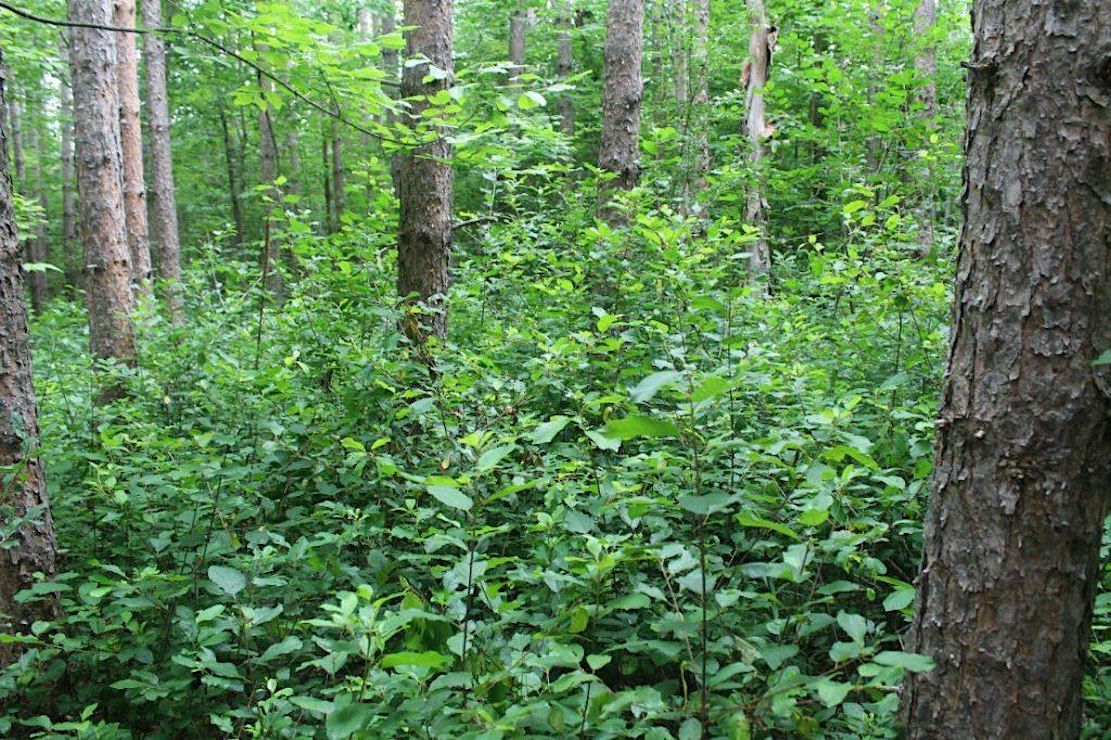
This past September, our community got together and held the very first Buckthorn clearing event organized by the Friends of Laurelwood Park. The mosquitos were bad, and the buckthorn was, well, thorny! But we covered a pretty incredible amount of ground.
Before it gets proper cold, Friends of Laurelwood Park would love to gather again to help reclaim the Park from this gnarly W**d. If you came last time, welcome back! If this will be your first Buckthorn pull, wonderful, can't wait to meet you (no experience is required)!
A recap on our goals -- we will focus on removing Common Buckthorn from Laurelwood Park. We'll do a short intro on how to identify it, and then we'll get to work. In small groups we will pull out the young sprouts with trowels, and cut down and dig out the older saplings with loppers, shovels and extractagators.
This event is held in collaboration with the City of Waterloo’s Partners in Parks program.
On the Day
• Wear closed-toed footwear, long pants, cloth gloves (provided or bring your own). Dress in layers, you'll get warm :)!
• Friends of Laurelwood will provide equipment, and cloth gloves. Bring your own tools if you prefer (no saws, but yes please to loppers and shovels!).
• Bring water, snacks, and hot bevvies in thermoses, whatever you need.
• If it looks like rain, we'll send out a note the night before and try again the day after, on Sunday November 22nd!
• Kids and adolescents are encouraged, but we ask that people under 18 come with a guardian.
More info: The first step to bringing in pollinators and native species is making space for them through removing noxious weeds. Common Buckthorn (Rhamnus cathartica) is native to Europe and is also known as European Buckthorn. In Canada, it is found from Nova Scotia to Saskatchewan. It was likely introduced around the 1880s, becoming widespread in the early 1900s. This species was often used in hedgerows and windbreaks, and was widely planted across the country. Common Buckthorn is of concern to the agricultural community because it can host oat crown rust and soybean aphid, both of which reduce crop yields, and it could even be on your property.
Common buckthorn harms the environment, changing the soil and making it difficult for native plants to survive. It reduces biodiversity, degrades the quality of wildlife habitat, and is also covered in painful spikes that make it dangerous to live and play near. It is toxic to birds and mammals and if ingested can cause severe dehydration and death for small creatures like songbirds.
It is listed as a Noxious W**d under the Federal W**d Control Act and the Ontario W**d Control Act.
Where is it happening?
Event Location & Nearby Stays:
CAD 0.00


