Mental Health First Aid (MHFA) - Blended/In Person - Chicago

About this Event
Mental Health First Aid teaches you how to help someone who may be experiencing a mental health or substance use challenge. The training helps you identify, understand, and respond to signs of addictions and mental illnesses.
Just as CPR helps you assist an individual having a heart attack, Mental Health First Aid helps you assist someone experiencing a mental health or substance use-related crisis. In the Mental Health First Aid course, you learn risk factors and warning signs for mental health and addiction concerns, strategies for how to help someone in both crisis and non-crisis situations, and where to turn for help.
Mental Health First Aid teaches about recovery and resiliency – the belief that individuals experiencing these challenges can and do get better, and use their strengths to stay well.
Topics Covered:
- Depression and mood disorders
- Anxiety disorders
- Trauma
- Psychosis
- Panic attacks
- Suicidal thoughts or behaviors
- Nonsuicidal self-injury
Learning Objectives:
After attending this introductory level program, program participants will be able to:
- Recognize the potential risk factors and warning signs for a range of mental health problems, including: depression, anxiety/trauma, psychosis and psychotic disorders, substance use disorders, and self-injury.
- Use a 5-step action plan to help an individual in crisis connect with appropriate professional help.
- Interpret the prevalence of various mental health disorders in the U.S. and the need for reduced negative attitudes in their communities.
- Apply knowledge of the appropriate professional, peer, social, and self-help resources available to help someone with a mental health problem treat and manage the problem and achieve recovery.
- Practice appropriate methods of self-care
Interventions Learned:
The opportunity to practice — through role plays, scenarios, and activities — makes it easier to apply these skills in a real-life situation. When you take the course, you learn how to apply the Mental Health First Aid action plan in a variety of situations, including when someone is experiencing:
- Acute psychosis (e.g., hallucinations or delusions)
- Overdose or withdrawal from alcohol or drug use
- Reaction to a traumatic event
- Substance Use Disorders
This is a blended webinar/in-person, Instructor led training. Participants must complete 100% of the online portion as well as the in-person training and complete the post class requirements in order to obtain a 3-year Mental Health First Aid Certificate.
Training Value = $175 per person. Program provided with funding from the Megan Butz Legacy of Hope. Your $10 fee helps offset lunch costs.
Should you have any questions, please contact the coordinator: Tracy Levine, [email protected]
Mental Health First Aid - National Council for Mental Well-Being
Program Standards and Goals: This program meets APA’s continuing education standard 1.3: Program content focuses on topics related to psychological practice, education, or research other than application of psychological assessment and/or intervention methods that are supported by contemporary scholarship grounded in established research procedures.
This program meets APA’s continuing education goal 3: Program will allow psychologists to maintain, develop, and increase competencies in order to improve services to the public and enhance contributions to the profession.
References:
Banh, M., Chaikind, J., Robertson, H., Troxel, M., Achille, J., Egan, C., & Anthony, B. (2018). Evaluation of Mental Health First Aid USA using the Mental Health Beliefs and Literacy Scale. American Journal of Health Promotion. doi:10.1177/0890117118784234
Morgan, A., Ross, A., & Reavley, N. (2018, May 31). Systematic review and meta-analysis of Mental Health First Aid training: Effects on knowledge, stigma, and helping behaviour. PLoS One, 13(5). doi:10.1371/journal.pone.0197102
Morrissey, H., Moss, S., Alexi, B., Ball, P. (2017). Do Mental Health First Aid™ courses enhance knowledge? The Journal of Mental Health Training, Education and Practice, 12(2). doi:10.1108/JMHTEP-01-2016-0003
Evans, J., Romaniuk, M., & Theal, R. (2021). Evaluation of Mental Health First Aid training for family members of military veterans with a mental health condition. BMC Psychiatry 21, 128.https://doi.org/10.1186/s12888-021-03139-9
Crone, D.M., Sarkar, M., Curran, T., Baker, C.M., Hill, D., Loughren, E.A., Dickson, T., & Parker, A.(2019). Mental Health First Aid for the UK armed forces. Health Promotion International, 35(1), 132-139. doi: https://doi.org/10.1093/heapro/day112
CONTINUING EDUCATION:Target Audience: Anyone 18 and older seeking to be MHFA certified.
Psychologists. This program, when attended in its entirety, is available for 7.5 continuing education credits. The Chicago School is committed to accessibility and non-discrimination in its continuing education activities. The Chicago School is also committed to conducting all activities in conformity with the American Psychological Association’s Ethical Principles for Psychologists. Participants are asked to be aware of the need for privacy and confidentiality throughout the program. If program content becomes stressful, participants are encouraged to process these feelings during discussion periods. If participants have special needs, we will attempt to accommodate them. Please address questions, concerns and any complaints to [email protected]. There is no commercial support for this program nor are there any relationships between the CE Sponsor, presenting organization, presenter, program content, research, grants, or other funding that could reasonably be construed as conflicts of interest.
Counselors/Clinical Counselors. This program, when attended in its entirety, is available 7.5 hours of continuing education. The Chicago School is licensed by the Illinois Department of Financial and Professional Regulation (IDFPR) to provide continuing education programming for counselors and clinical counselors. License Number: 197.000159
Social Workers. This program, when attended in its entirety, is available for 7.5 hours of continuing education. The Chicago Schoolis licensed by the Illinois Department of Financial and Professional Regulation (IDFPR) to provide continuing education programming for social workers. License Number: 159.001036
MFTs, LPCCs, and LCSWs. Course meets the qualifications for 7.5 hour of continuing education credit for MFTs, LPCCs, and/or LCSWs as required by the California Board of Behavioral Sciences. If you are licensed outside of California please check with your local licensing agency to to determine if they will accept these CEUs. The Chicago School is approved by the California Board of Behavioral Sciences (BBS) to offer continuing education programming for MFTs, LPCCs, LEPs, and/or LCSWs. The Chicago School is an accredited or approved postsecondary institution that meets the requirements set forth in Sections 4980.54(f)(1), 4989.34, 4996.22(d)(1), or 4999.76(d) of the Code.
National Board. This program, when attended in its entirety, is available for 7.5 NBCC Clock Hours. The Chicago School has been approved by NBCC as an Approved Continuing Education Provider, ACEP No. 3036. Programs that do not qualify for NBCC credit are clearly identified. The Chicago School is solely responsible for all aspects of the programs.
ISBE. This program, when attended in its entirety, is available for 7.5 hours of continuing professional development. The Chicago School is an approved provider for continuing professional development by the Illinois State Board of Education.
Human Resource Professionals. Course meets the qualifications for 7.5 Professional Development Credits for Human Resource Professionals.
Participation Certificate. The Chicago School is able to provide students and other participants who simply wish to have documentation of their attendance at the program a participation certificate.
Non Psychologists. Most licensing boards accept Continuing Education Credits sponsored by the American Psychological Association but non-psychologists are recommended to consult with their specific state-licensing board to ensure that APA-sponsored CE is acceptable.
*Participants must attend 100% of the program in order to obtain a Certificate of Attendance.
The Chicago School is approved by the American Psychological Association to sponsor continuing education for psychologists. The Chicago School maintains responsibility for this program and its content.
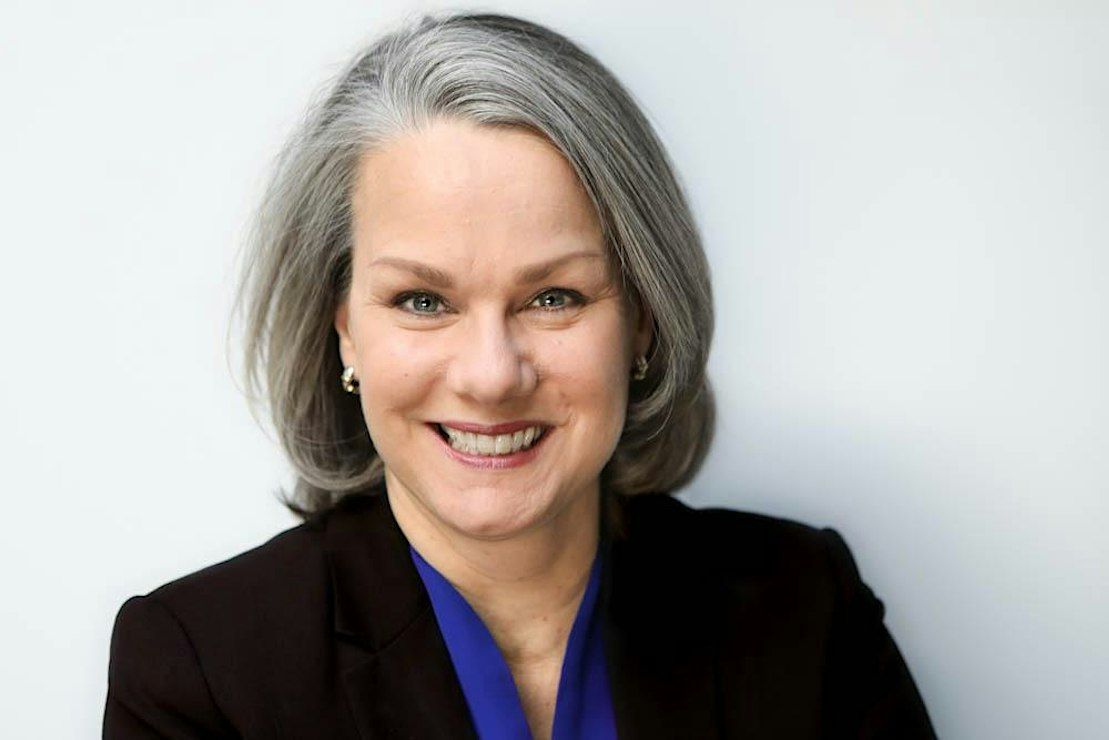
About the Instructor:
Tracy Levine, MSW, LCSW is the Executive Director of the Naomi Ruth Cohen Institute for Mental Health Education at The Chicago School of Professional Psychology. Tracy has over 30 years of experience in behavioral health and direct services and has served as an Adjunct faculty in TCSPP’s Master of Counseling Psychology Program. Tracy is a certified Instructor for Mental Health First Aid and QPR Suicide Prevention Gatekeeper trainings.




Where is it happening?
Event Location & Nearby Stays:
USD 0.00 to USD 12.51