Megrendült a föld

Advertisement
ENG below
------------------------------------------
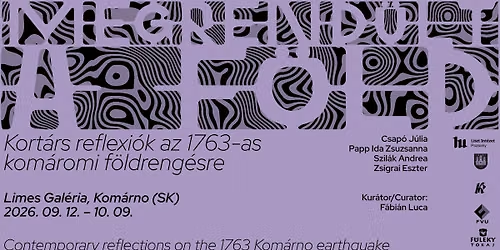
Megrendült a föld
Kortárs reflexiók az 1763-as komáromi földrengésre
2026. 09. 12. – 10. 09.
Megnyitó: 2026. 09. 12. 17:00
1763-ban Mária Terézia elrendelte a Habsburg Birodalom felmérését. Ugyanebben az évben a földfelszín Komáromnál felszakadt.
A Péter-Pál napi vásár harmadik reggelén a főutca köve megnyílt, és a talaj alól kénes szagot erjesztő füstfelhők bukkantak elő, melyek lángra kapva tűzbe borították a romos várost. A talaj húsz napig rengett, a Duna kilépett medréből, hatvanhárom ember elhunyt és a város összes temploma összedőlt. Tíz év sem telt ekkor még a nagy lisszaboni földrengés óta, amelynek hatalmas pusztítása Voltaire-t a Candide (1759) megírására és a leibnitz-i optimizmus megkérdőjelezésére sarkallta. A természeti csapás hatására vélhetően a helybéli ember is újragondolta korábban kivételesnek ítélt pozícióját és feltette a kérdést: ha ilyen oknélküli katasztrófák sújthatnak le ránk, tényleg ez volna minden világok legjobbika? Ekkoriban, a racionalista világértelmezések és a keresztény igazságok együttes jelenlétében, ahogy Jókai Mór Az elátkozott család (1858) című regényében is megjelenik, a keresztények a természet visszavágását bűneikhez és protestánsok irányába tanúsított intoleranciájukhoz kötötték.
Komárom városa tapasztalta meg a Kárpát-medencében mért valaha legnagyobb földrengést, amelynek következtében a Limes Galéria tere, az egykori katonatemplom is megsérült. A tér, amelyben ma kiállításokat építünk tehát szakrális és történeti jelentőségű, magában őrzi nem csak az egykori orgona és énekszó, hanem a kőomlás és könyörgés hangjait is. A Megrendült a föld című kiállítás ezért olyan kortárs műalkotásokat mutat be, amelyek mindenekelőtt a térben megbúvó jelentéseket ragadják meg visszautalva az egykori földrengés valóságára és az emberek által hozzá kötött misztikus és spirituális magyarázatokra.
A kőzetlemezek összefeszülése, felgyűrődése és maga a kipattanás pillanatának megtapasztalása után a mélybe való letekintésre hívjuk a nézőt, hogy szembesüljön a csontok, a bomló testek és a kővé válás látványával, amelyet az emberi kultúra évszázadokon át a rémségek, az alvilág és a tudatalatti birodalmába, a földalatti szférába száműzött. A Megrendült a föld egy a régió történetében kivételesnek számító eseményen keresztül egy út megtételére invitál, melyben az ember, mint
megtestesült szellem múlandósága tudatába kerül: azzal, hogy a lába alatt szilárdnak vélt talaj bármikor megrepedhet és formáját adó teste bármikor szétporladhat. Közép-Európa nem éppen a természeti katasztrófáiról híres, mégis ez a történeti esemény segít modellezni nekünk az újrarendeződés pillanatát, azt amikor a meteorológián és geológián keresztül kiszámíthatónak vélt természet visszavágót indított. Amíg Komáromban a protestánsok jelentették a másikat, akik ellen a kereszténység vétett a templomépítés helyi tilalmával, addig ma a másikká tett természet az, akit a technooptimista világrendszer ellehetetlenít. Minden idők legszélsőségesebb nyara után egy olyan pontra érkezünk el, ahol nem tudjuk, hogy tovább mérnökösködjünk vagy újra imádkozásba kezdjünk, úgy, ahogy az 1763-ban, Mária Terézia birodalmában is párhuzamosan megtörtént.
------------------------------------------
The Ground Trembled
Contemporary reflections on the 1763 Komárno earthquake
12 September – 10 October 2026
Opening: 12 September 2026, 5.00 pm
On the third morning of the St Peter and St Paul’s Day fair, the cobblestones of the high street split open, and clouds of smoke giving off a sulphurous stench emerged from beneath the ground; these caught fire and engulfed the ruined town in flames. The ground trembled for twenty days, the Danube burst its banks, sixty-three people lost their lives, and all the town’s churches collapsed. Not even ten years had passed since the great Lisbon earthquake, the immense devastation of which had prompted Voltaire to write "Candide" (1759) and to question Leibniz’s optimism. In the wake of this natural disaster, the local people presumably also reconsidered their previously privileged position and asked themselves: if such senseless catastrophes can befall us, is this really the best of all possible worlds? At that time, amidst the coexistence of rationalist worldviews and Christian truths – as depicted in Mór Jókai’s novel "The Condemned Family" (1858) – Christians attributed nature’s retaliation to their sins and to their intolerance towards Protestants.
The town of Komárom experienced the strongest earthquake ever recorded in the Carpathian Basin, which resulted in damage to the Limes Gallery and the former military chapel. The square, where we now stage exhibitions, is therefore of both sacred and historical significance; it preserves within it not only the sounds of the former organ and singing, but also the sounds of crumbling stone and supplication. The exhibition"The Ground Trembled" therefore presents contemporary artworks that, above all, capture the meanings hidden within the space, alluding to the reality of the earthquake and the mystical and spiritual explanations people have attached to it.
After experiencing the tension and buckling of the rock slabs, and the moment of the eruption itself, we invite the viewer to look down into the depths to confront the sight of bones, decomposing bodies and petrification – sights that human culture has, for centuries, banished to the realms of horror, the underworld and the subconscious, to the subterranean sphere. "The Ground Trembled" invites us to embark on a journey through an event of exceptional significance in the region’s history, in which we become aware of the transience of humankind as embodied spirit: the ground beneath our feet, which we take for granted as solid, may crack at any moment, and the body that gives us form may crumble to dust at any time. Central Europe is not exactly renowned for its natural disasters, yet this historical event helps us to visualise the moment of realignment: the moment when nature, which had been deemed predictable through meteorology and geology, struck back. Whilst in Komárom it was the Protestants who represented ‘the other’ – against whom Christianity had sinned by imposing a local ban on church-building – today it is nature, cast as ‘the other’, that is being rendered untenable by the techno-optimistic world system. After the most extreme summer of all time, we are reaching a point where we do not know whether to continue with our engineering efforts or to take up prayer once more, just as happened in parallel in the Empire of Maria Theresa in 1763.
------------------------------------------
Kiállító művészek/ Exhibiting artists:
Csapó Júlia
Szilák Andrea
Papp Ida Zsuzsanna
Zsigrai Eszter
Kurátor/Curator:
Fábián Luca
Grafika és kiállításdizájn/ Graphics & exhibition design:
Kincses Gergő
A kiállítást Papp Ida Zsuzsanna Földindulás/ The Earth Walk c. performansza nyitja meg. Közreműködik: Beck Tímea, Beck Judit, Macher Máté, Štefan Szabó, Richard Stein, Keserű Rebeka és a kiállító művészek. Beszédet mond Fábián Luca, a kiállítás kurátora és Dr. Balla Rita, a Limes Galéria művészeti vezetője.
Együttműködő partnerek/ Collaborating partners:
Liszt Intézet Pozsony, Füleky Pincészet, Magyar Alkotó Művészek Szlovákiai Egyesülete
(A korábban „Elíziumi mezők” munkacímen kommunikált kiállítás a projekt koncepciójának és kiállítási anyagának időközbeni változása miatt új, végleges címet kapott: „Megrendült a föld. Kortárs reflexiók az 1763-as komáromi földrengésre”. A kiállítás a tervezett időpontban, ugyanazon művészek és kurátor közreműködésével valósul meg.)
------------------------------------------
Megrendült a föld
Kortárs reflexiók az 1763-as komáromi földrengésre
2026. 09. 12. – 10. 09.
Megnyitó: 2026. 09. 12. 17:00
1763-ban Mária Terézia elrendelte a Habsburg Birodalom felmérését. Ugyanebben az évben a földfelszín Komáromnál felszakadt.
A Péter-Pál napi vásár harmadik reggelén a főutca köve megnyílt, és a talaj alól kénes szagot erjesztő füstfelhők bukkantak elő, melyek lángra kapva tűzbe borították a romos várost. A talaj húsz napig rengett, a Duna kilépett medréből, hatvanhárom ember elhunyt és a város összes temploma összedőlt. Tíz év sem telt ekkor még a nagy lisszaboni földrengés óta, amelynek hatalmas pusztítása Voltaire-t a Candide (1759) megírására és a leibnitz-i optimizmus megkérdőjelezésére sarkallta. A természeti csapás hatására vélhetően a helybéli ember is újragondolta korábban kivételesnek ítélt pozícióját és feltette a kérdést: ha ilyen oknélküli katasztrófák sújthatnak le ránk, tényleg ez volna minden világok legjobbika? Ekkoriban, a racionalista világértelmezések és a keresztény igazságok együttes jelenlétében, ahogy Jókai Mór Az elátkozott család (1858) című regényében is megjelenik, a keresztények a természet visszavágását bűneikhez és protestánsok irányába tanúsított intoleranciájukhoz kötötték.
Komárom városa tapasztalta meg a Kárpát-medencében mért valaha legnagyobb földrengést, amelynek következtében a Limes Galéria tere, az egykori katonatemplom is megsérült. A tér, amelyben ma kiállításokat építünk tehát szakrális és történeti jelentőségű, magában őrzi nem csak az egykori orgona és énekszó, hanem a kőomlás és könyörgés hangjait is. A Megrendült a föld című kiállítás ezért olyan kortárs műalkotásokat mutat be, amelyek mindenekelőtt a térben megbúvó jelentéseket ragadják meg visszautalva az egykori földrengés valóságára és az emberek által hozzá kötött misztikus és spirituális magyarázatokra.
A kőzetlemezek összefeszülése, felgyűrődése és maga a kipattanás pillanatának megtapasztalása után a mélybe való letekintésre hívjuk a nézőt, hogy szembesüljön a csontok, a bomló testek és a kővé válás látványával, amelyet az emberi kultúra évszázadokon át a rémségek, az alvilág és a tudatalatti birodalmába, a földalatti szférába száműzött. A Megrendült a föld egy a régió történetében kivételesnek számító eseményen keresztül egy út megtételére invitál, melyben az ember, mint
megtestesült szellem múlandósága tudatába kerül: azzal, hogy a lába alatt szilárdnak vélt talaj bármikor megrepedhet és formáját adó teste bármikor szétporladhat. Közép-Európa nem éppen a természeti katasztrófáiról híres, mégis ez a történeti esemény segít modellezni nekünk az újrarendeződés pillanatát, azt amikor a meteorológián és geológián keresztül kiszámíthatónak vélt természet visszavágót indított. Amíg Komáromban a protestánsok jelentették a másikat, akik ellen a kereszténység vétett a templomépítés helyi tilalmával, addig ma a másikká tett természet az, akit a technooptimista világrendszer ellehetetlenít. Minden idők legszélsőségesebb nyara után egy olyan pontra érkezünk el, ahol nem tudjuk, hogy tovább mérnökösködjünk vagy újra imádkozásba kezdjünk, úgy, ahogy az 1763-ban, Mária Terézia birodalmában is párhuzamosan megtörtént.
------------------------------------------
The Ground Trembled
Contemporary reflections on the 1763 Komárno earthquake
12 September – 10 October 2026
Opening: 12 September 2026, 5.00 pm
On the third morning of the St Peter and St Paul’s Day fair, the cobblestones of the high street split open, and clouds of smoke giving off a sulphurous stench emerged from beneath the ground; these caught fire and engulfed the ruined town in flames. The ground trembled for twenty days, the Danube burst its banks, sixty-three people lost their lives, and all the town’s churches collapsed. Not even ten years had passed since the great Lisbon earthquake, the immense devastation of which had prompted Voltaire to write "Candide" (1759) and to question Leibniz’s optimism. In the wake of this natural disaster, the local people presumably also reconsidered their previously privileged position and asked themselves: if such senseless catastrophes can befall us, is this really the best of all possible worlds? At that time, amidst the coexistence of rationalist worldviews and Christian truths – as depicted in Mór Jókai’s novel "The Condemned Family" (1858) – Christians attributed nature’s retaliation to their sins and to their intolerance towards Protestants.
The town of Komárom experienced the strongest earthquake ever recorded in the Carpathian Basin, which resulted in damage to the Limes Gallery and the former military chapel. The square, where we now stage exhibitions, is therefore of both sacred and historical significance; it preserves within it not only the sounds of the former organ and singing, but also the sounds of crumbling stone and supplication. The exhibition"The Ground Trembled" therefore presents contemporary artworks that, above all, capture the meanings hidden within the space, alluding to the reality of the earthquake and the mystical and spiritual explanations people have attached to it.
After experiencing the tension and buckling of the rock slabs, and the moment of the eruption itself, we invite the viewer to look down into the depths to confront the sight of bones, decomposing bodies and petrification – sights that human culture has, for centuries, banished to the realms of horror, the underworld and the subconscious, to the subterranean sphere. "The Ground Trembled" invites us to embark on a journey through an event of exceptional significance in the region’s history, in which we become aware of the transience of humankind as embodied spirit: the ground beneath our feet, which we take for granted as solid, may crack at any moment, and the body that gives us form may crumble to dust at any time. Central Europe is not exactly renowned for its natural disasters, yet this historical event helps us to visualise the moment of realignment: the moment when nature, which had been deemed predictable through meteorology and geology, struck back. Whilst in Komárom it was the Protestants who represented ‘the other’ – against whom Christianity had sinned by imposing a local ban on church-building – today it is nature, cast as ‘the other’, that is being rendered untenable by the techno-optimistic world system. After the most extreme summer of all time, we are reaching a point where we do not know whether to continue with our engineering efforts or to take up prayer once more, just as happened in parallel in the Empire of Maria Theresa in 1763.
------------------------------------------
Kiállító művészek/ Exhibiting artists:
Csapó Júlia
Szilák Andrea
Papp Ida Zsuzsanna
Zsigrai Eszter
Kurátor/Curator:
Fábián Luca
Grafika és kiállításdizájn/ Graphics & exhibition design:
Kincses Gergő
A kiállítást Papp Ida Zsuzsanna Földindulás/ The Earth Walk c. performansza nyitja meg. Közreműködik: Beck Tímea, Beck Judit, Macher Máté, Štefan Szabó, Richard Stein, Keserű Rebeka és a kiállító művészek. Beszédet mond Fábián Luca, a kiállítás kurátora és Dr. Balla Rita, a Limes Galéria művészeti vezetője.
Együttműködő partnerek/ Collaborating partners:
Liszt Intézet Pozsony, Füleky Pincészet, Magyar Alkotó Művészek Szlovákiai Egyesülete
(A korábban „Elíziumi mezők” munkacímen kommunikált kiállítás a projekt koncepciójának és kiállítási anyagának időközbeni változása miatt új, végleges címet kapott: „Megrendült a föld. Kortárs reflexiók az 1763-as komáromi földrengésre”. A kiállítás a tervezett időpontban, ugyanazon művészek és kurátor közreműködésével valósul meg.)
Advertisement
Where is it happening?
Limes Galéria, M. Čáka 948, 945 01 Komárno, Slovensko, Gyor, Hungary
Event Location & Nearby Stays:
Know what’s Happening Next — before everyone else does.
Host or PublisherMagyar Alkotó Művészek Szlovákiai Egyesülete