LENA HERZOG/GEOFF WINNINGHAM November 5

About this Event
LENA HERZOG ~SOL Y SOMBRA
GEOFF WINNINGHAM ~A TRAIL OF MARVELS
Join us for an in-person event on Thursday November 5, from 6-8PM.
This is a great chance to experience something unique and beautiful featuring Lena Herzog and Geoff Winningham. Don’t miss out on this special occasion! Limited Valet Parking | Ride Share encouraged.

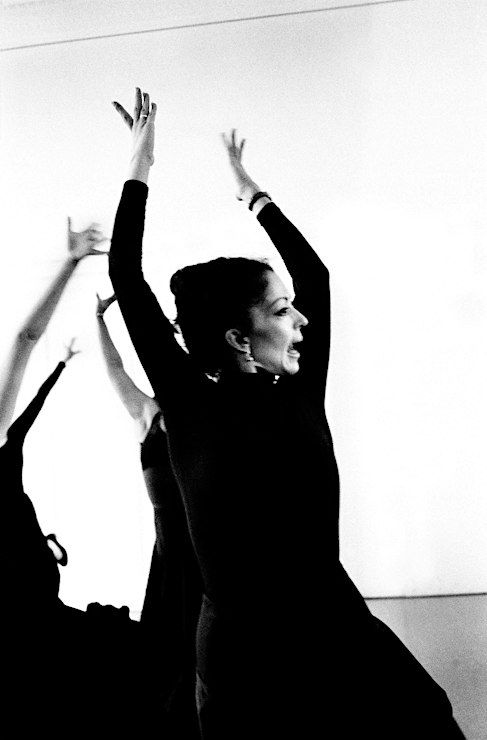
LENA HERZOG
SOL Y SOMBRA
The photographs from different portfolios (Bullfight, Flamenco, Semana Santa) piece together the beginnings of Lena Herzog’s activity from 1996-1997. All are connected in some way to Spanish culture and civilization.
Bullfight. In 1997, Herzog shot her first roll of film during a bullfight at the Plaza de toros de la Real Maestranza de Caballería de Sevilla, in Spain. Over the next five years, she returned to the arena to photograph the intense drama of the epic battles, enraged bulls, matadors preparing for and during fights, and entranced, ecstatic crowds. The series explores the psychological underpinnings of ritual participation and historical ceremony. A book of this work, Tauromaquia, was published in 2002, and is an homage to the masterful, early 19-century bullfighting engravings of Francisco José de Goya y Lucientes, which ignited Herzog’s imagination as a small girl.
Flamenco. (1999) captures the essential anatomy of the improvisational dance, with dramatic gestures and ephemeral movements fixed as sculptures on film. In what began as a technical practice to transform the operation of her anaolog Leica camera into an intuitive, instantaneous reaction to light and motion, Herzog’s work became an expression of a delight in the nature of dance itself. Interested in authentic flamenco and its articulation of female command, initiative, and authority, Herzog photographed both celebratory and mournful dances, which often express the inevitable fate of a wanderer—loss.
Semana Santa. Penitants and acolytes, judges and spectators, marching bands and women in Mantilla dress, all inhabit the ritual contexts of Semana Santa and bullfighting in Sevilla, Spain. The photographs of the series Sol y Sombra look beyond the action of these particular scenes to controlled details that reveal revelry and rootedness in history, as inherited through culture. In a style that echoes early Northern Renaissance and Mannerist paintings, Herzog combines exacting depictions of clothing and costume with a studied abstraction in the portrayal of faces. By presenting these minute details—of jewelry and ornament, textures of silk, velvet and lace—together with abstractions of facial expressions, Herzog celebrates the contradictory and altogether human longings for specificity and dreaming at once.

LENA HERZOG
“There was barely any gray, and even when it was there, it felt like a mistake. The whites were blown out and the blacks were stark. Just as the gestures of dancers, bullfighters and penitents, all other forms were black silhouettes—vivid, bold, clear. Here I am they seem to say. Take it or leave it. Seville always seemed outside of time and drenched in the Andalucian sun.” —Lena Herzog

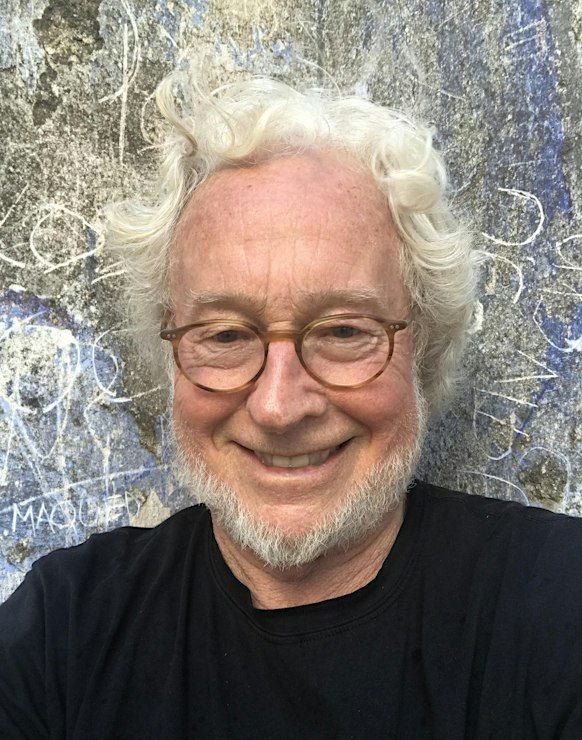
GEOFF WINNINGHAM
A TRAIL OF MARVELS
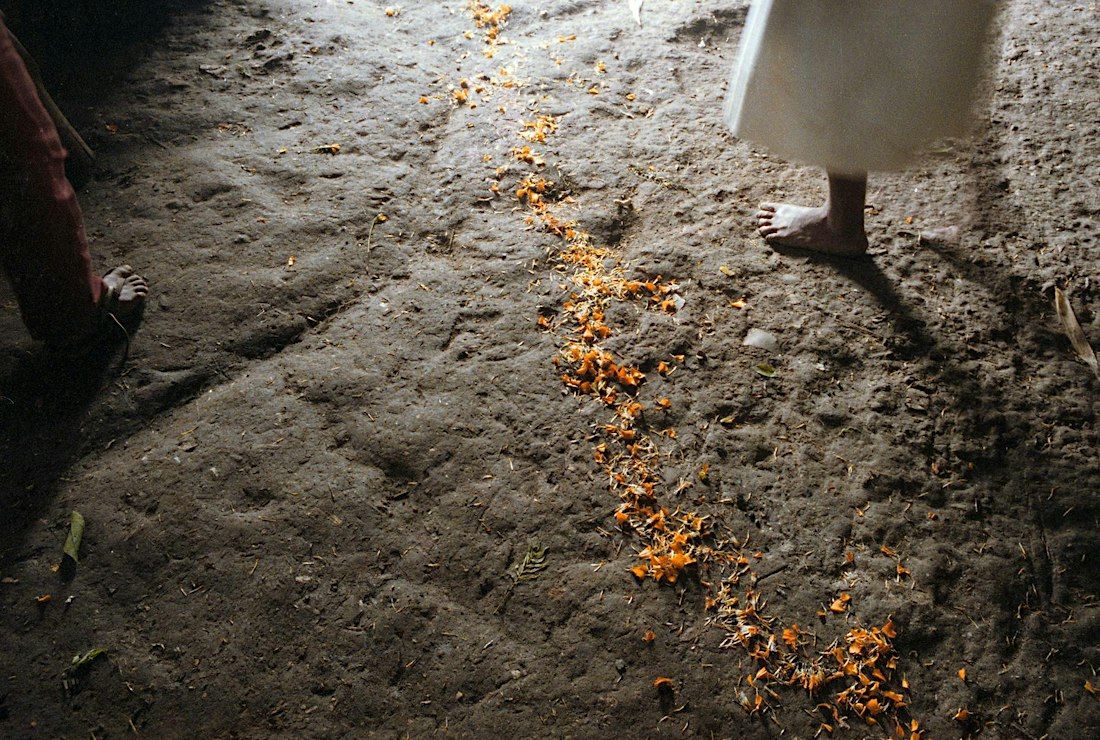
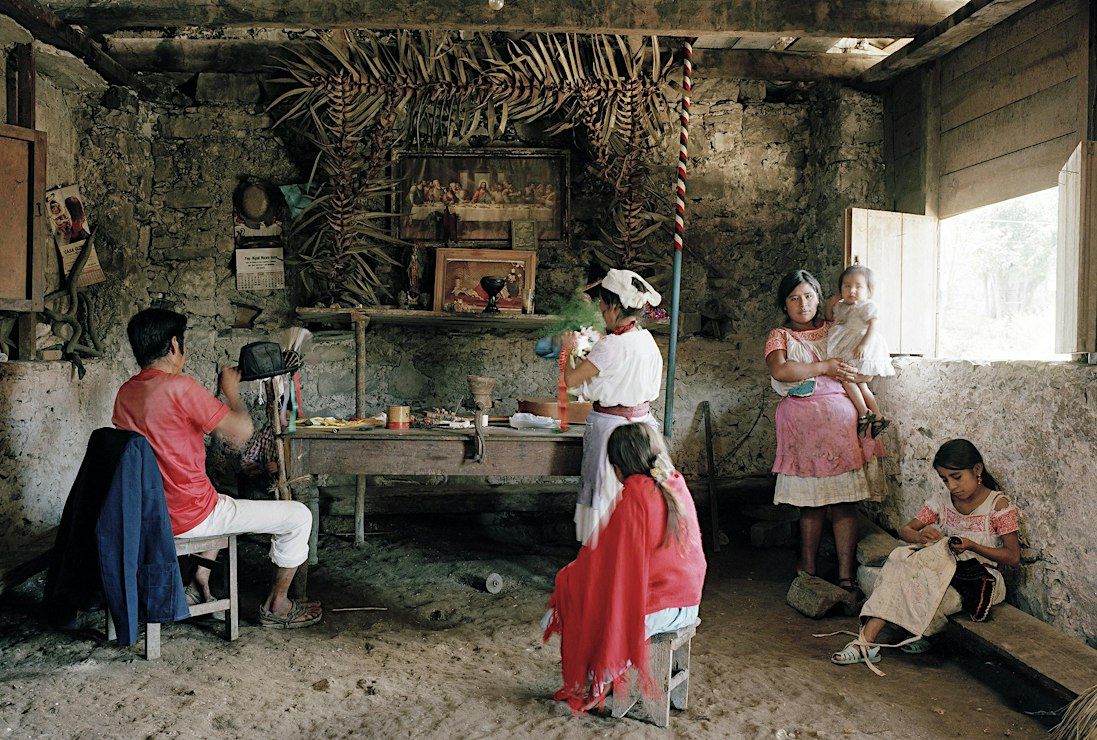
In 1997, W.W. Norton & Company published a collection of Geoff Winningham’s photographs in the book In the Eye of the Sun: Mexican Fiestas, with essays by Nobel Prize winner J.M.G. LeClezio and an introduction by the eminent Chicano writer Richard Rodriguez. In the Eye of the Sun, Rodriguez wrote:
On the day of the fiesta, everything is different. . . On any other day of the year the will of God may be hard to decipher, harder to bear. Why has God allowed a drought to wither the fields? Why did He allow our mother to suffer with cancer . . . there are no answers.
The fiesta impersonates a divine motive. If not an answer, the fiesta supplies a droll rhyme—tears become sequins. The pleasure of the fiesta is that for one day the link between heaven and earth is certain. The air in the early morning seems different, sweeter. The sky hangs at a slant unlike any other day of the year.
Of all the traditional Mexican celebrations, by far the most important is El Día de Muertos, The Day of the Dead. Views differ on whether the event has indigenous, pre-Hispanic roots, whether it is a modern adaptation of ancient European tradition, or a combination of both. The deeply rooted belief is that on November 1 and 2, the spirits of those who have died are granted divine permission to return to earth for one day. The spirits of those who died as children are granted permission to return on November 1. Those who died as adults return on November 2.
Families await the arrival of the spirits of loved ones, welcoming them with ofrendas, home altars covered in flowers, candles, incense, food, and drinks. The dead return home for one day, as they have for millennia, to be with their families and to enjoy the essence of their favorite earthly pleasures.
The many customs surrounding the arrival of the spirits on el Día de Muertos vary from one region of Mexico to another, even from one village to another, but the essence of the celebration is always the same: by rejoining the human for one day in November, the dead remind us that the two worlds— heaven and earth—are inevitably joined.

Where is it happening?
Event Location & Nearby Stays:
USD 0.00