BRAVO BEETHOVEN | Homeland

About this Event
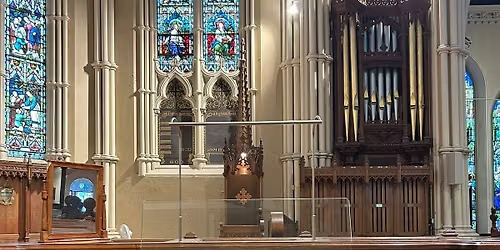
Saturday, October 3, 2026, 7:30 pm - Trinity St-Paul's Centre, 427 Bloor St. West
BRAVO BEETHOVEN
Homeland
Favourites by Beethoven and Mozart bookend a nostalgic journey through ancestral melodies by a Jules Léger Prize winning Canadian composer
SINFONIA TORONTO
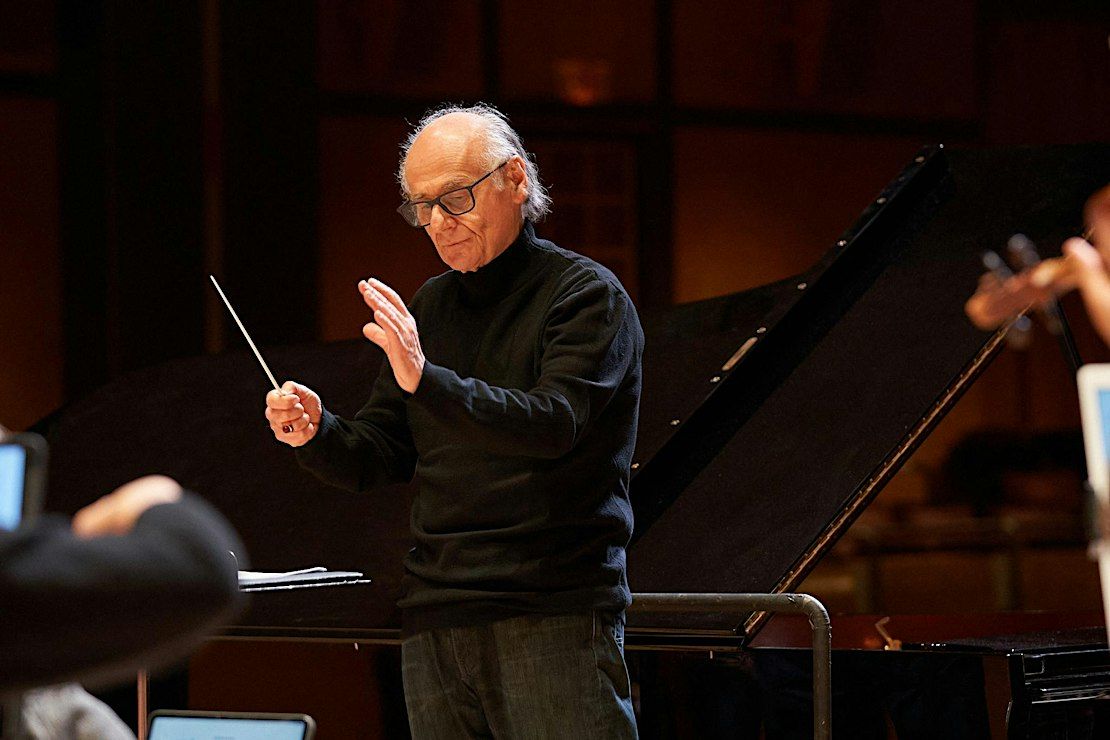
NURHAN ARMAN Conductor
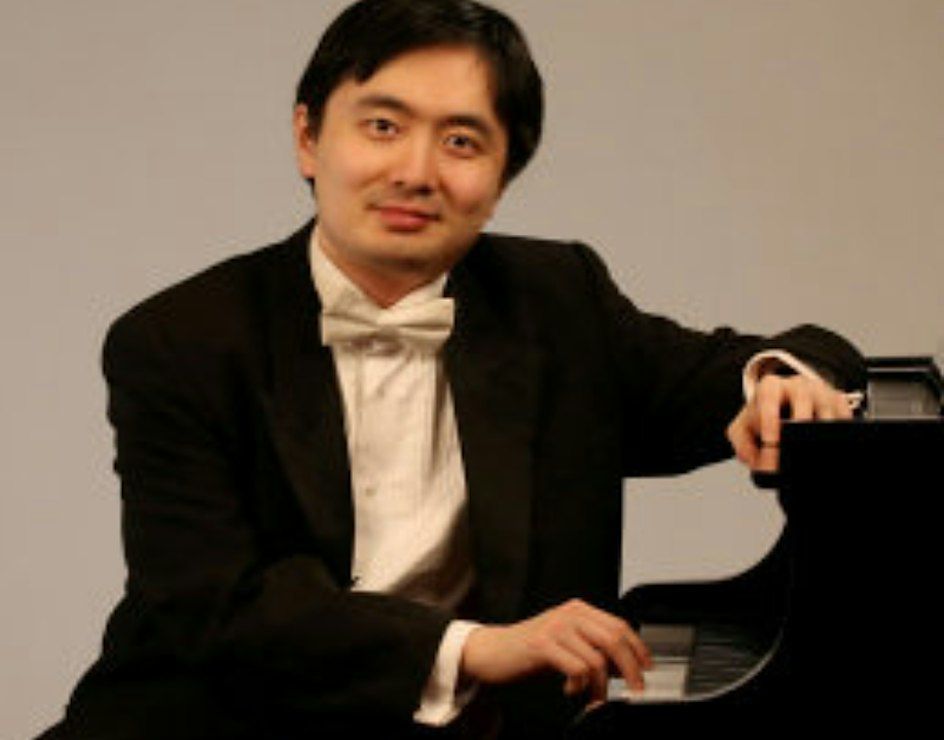
SHENG CAI Pianist
Program
BEETHOVEN Piano Concerto No. 2
SARGSYAN Ergir (Homeland) world premiere
PIAZZOLLA Milonga del Angel
MOZART Eine kleine Nachtmusik K 525
ABOUT THE PERFORMERS
Pianist Sheng Cai has been delighting audience and critics across four continents with his electrifying performing charisma and individual personality. Described as "with seeming effortlessness and performing with gusto and a loving attention to detail" by Buffalo Hives in New York and as "having the inner passion paired with Rubinstein's nonchalance" by Thuringer Allgemeine in Germany. Sheng Cai has gained praise worldwide for his performances of major keyboard works for the past four centuries. With a number of prizes and awards, he continues to push the boundaries in interpreting both the established and rarities of the piano literature.
Since winning top prizes at Montreal Symphony Competition and Toronto Symphony Competition at age 15, Sheng Cai has performed a broad spectrum of over 35 piano concertos from Mozart to 21st century composers with more than 60 orchestras worldwide. In solo recitals, Sheng Cai has performed at many prestigious venues in North America and Europe. He is a passionate recording artist. His first CBC recording was a CD of Mozart and Martinu. His most recent Schumann, Liszt, Grieg, Rachmaninoff and Tchaikovsky discs on ATMA label gained international acclaim from the America Record Guide, Classic Today, the international Music web Review in UK , the Wholenote Magazine, Le Devoir in Canada and the Fanfare Music Magainze in US.
Sheng Cai is instrumental in advocating many neglected works by composers such as Enescu, Kabalevsky, Kapustin, Medtner, Mathieu, Villa-Lobos and a number of his own works. He has also promoted and premiered many living composer's works like Claudia Montero, Fazil Say and Vache Sharafyan. He has studied in Canada and US at the Royal Conservatory of Music of Toronto, Julliard School, and at New England Conservatory in Boston. His teachers and mentors include Anton Kuerti, Gary Graffman and Russell Sherman.
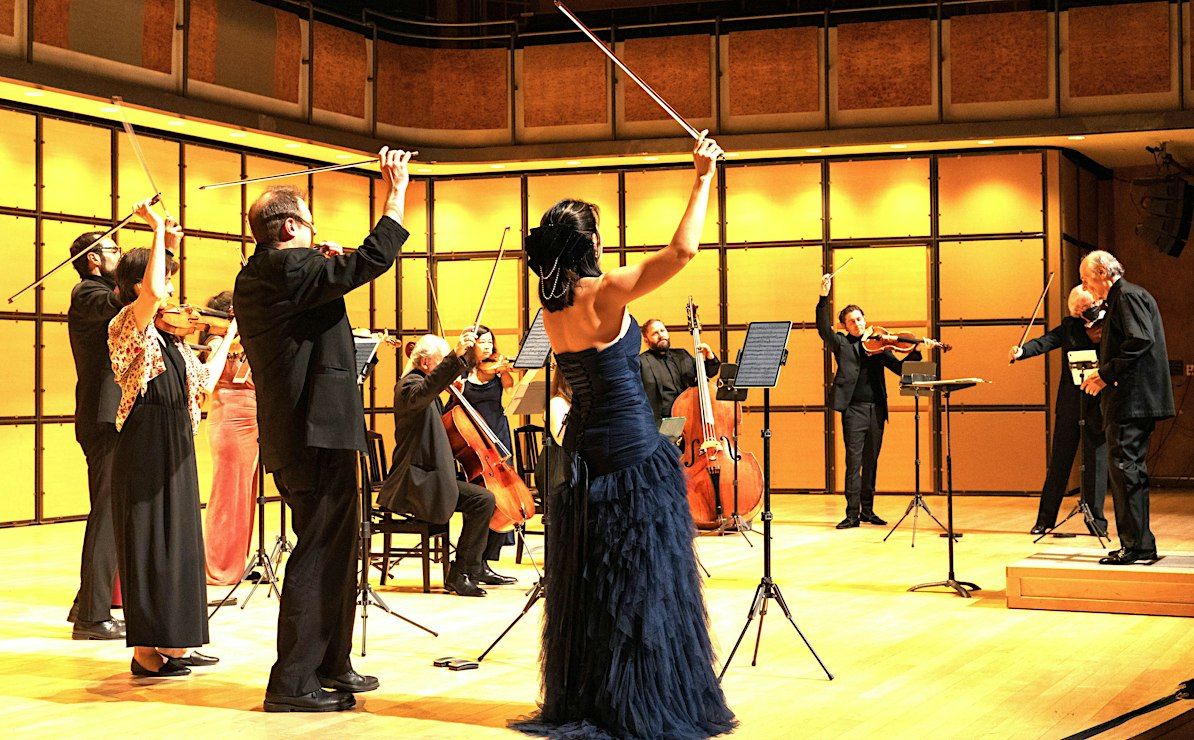
Sinfonia Toronto now in its 28th season, has toured twice in Europe, in the US, South America and China, receiving glowing reviews. It has released six CD’s, including a JUNO Award winner, and performs in many Ontario cities. Its extensive repertoire includes all the major string orchestra works of the 18th through 21st centuries, and it has premiered many new works. Under the baton of Nurhan Arman the orchestra’s performances present outstanding international guest artists and prominent Canadian musicians.
Maestro Nurhan Arman has conducted throughout Europe, Asia, South America, Canada and the US, returning regularly to many orchestras in Europe. Among the orchestras Maestro Arman has conducted are the Moscow Philharmonic, Deutsches Kammerorchester Frankfurt, Filarmonica Italiana, Orchestra Sinfonico di Roma, St. Petersburg State Hermitage Orchestra, Orchestre Regional d’Ile de France, Hungarian Symphony, Arpeggione Kammerorchester, Milano Classica and Belgrade Philharmonic.
ABOUT THE MUSIC
Piano Concerto No. 2, Op. 19 by Ludwig van Beethoven (1770-1827)
Chamber orchestra version by Vinzenz Lachner
Beethoven composed his Piano Concerto No. 2 between 1787 and 1789 and made revisions for a few years until it was published in its final version in 1795. He used it to help establish his reputation in Vienna when he moved there from Bonn, playing it first in private concerts in the homes of aristocrats and then at his public debut in the Burgtheater.
The concerto shows Mozart’s influence. The first movement beings with a dashing, Mozartean orchestral flourish. The soloist enters with new material and leads the way to a second theme which is brilliantly developed in the central section and subtly varied in a final recapitulation.
The orchestra sets the mood in the beginning of the slow movement with a lyrical theme which is taken over by the piano’s singing line. In the final Rondo, the soloist introduces a cheerful, energetic tune and passes it to the orchestra. Dramatic contrasting episodes set off cheerful rondo-form returns of the main theme, before the movement ends with the type of surprise the more mature Beethoven loved - a brief whisper followed by a sudden, emphatic conclusion.
Ergir - Homeland by Vahram Sargsyan (1981 - )
World premiere
Inspired by Sargsyan’s reflections on Western Armenia and on the world of Armenian illuminated manuscripts, Ergir (Homeland) brings together memory, history, and cultural inheritance through the sonorities of the strings. It blends art forms by transforming visual elements such as the ornamental motifs from illuminated manuscripts and khachkars (cross-stones) into musical patterns, and reflects on the once rich and diverse cultural heritage of regions now in ruins after the 1915 Armenian Genocide.
Vahram Sargsyan studied at the Komitas State Conservatory in Yerevan, then continued his education at the Schulich School of Music at McGill. His works have been performed across Europe, Asia, and North America, recorded by the BBC Singers, and recognized with the 2023 Jules Léger Prize as well as awards from the World Armenian Congress, European Seminar for Young Composers, BCE Commission Competition, POLYPHONOS Commission Competition and the International Contest for New Choral Compositions, among many others. His style spans a multicultural palette and creative ideas influenced by traditions and practices from medieval Armenian chants to contemporary extended vocal techniques. He is active as an experimental vocalist and choral conductor and is a founding member of the Montreal vocal ensemble Phth.
Milonga del Angel by Astor Piazzolla (1921-1992)
Milonga del Ángel (Dance of the Angel) is a deeply melancholic and lyrical tango written by Astor Piazzolla in 1962. Originally featured in a stage play by Alberto Rodríguez Muñoz, the piece eventually became the second installment in Piazzolla's famous Angel cycle. It blends traditional Argentine milonga rhythms with classical and jazz influences.
The "Angel" series of compositions—which also includes Introducción al Ángel and La muerte del ángel—tells a metaphorical story about an angel who descends to the gritty, restless, and occasionally violent streets of Buenos Aires. Instead of purifying the city's rough edges, the angel is embraced and changed by them. Milonga del Ángel captures the soul of the angel dancing in the shadows of the city, serving as a mournful, nostalgic, yet beautifully tender contrast to the aggressive, driving energy often found in Piazzolla's other works.
Eine kleine Nachtmusik K 525 by Wolfgang Amadeus Mozart (1756-1791)
Wolfgang Amadeus Mozart penned this Serenade in G Major during an incredibly productive yet stressful year. He was in the middle of writing Act II of his dark operatic masterpiece, Don Giovanni, and mourning the recent death of his father, Leopold. In 18th-century Vienna, serenades were lucrative commissions intended as light, outdoor social entertainment. The exact occasion or patron who commissioned the piece remains entirely undocumented. It was never published during Mozart’s lifetime, only seeing print posthumously. According to Mozart's personal catalog, the piece originally had five movements. A second movement—a Minuet and Trio—was lost or intentionally cut early on, leaving the four-movement structure performed today.
Where is it happening?
Event Location & Nearby Stays:
CAD 25.57 to CAD 54.76