Adams Morgan Day Deep History Tour

About this Event
Adams Morgan Day Deep History Tour
Spend part of Indigenous Peoples’ Day with Eddie Becker on a lively, thoughtful walk through the hidden history of Adams Morgan.
Beyond its nightlife and rising real-estate prices, this neighborhood holds layered stories of Indigenous life, colonial conquest, slavery, segregation, redlining, migration, resistance, and gentrification. Together, we will trace how these forces shaped the streets beneath our feet—and how residents have repeatedly organized to claim dignity, freedom, and a place to belong.
Adams Morgan has also been a refuge and crossroads for people carrying struggles across borders. Along the route, we will explore its connections to liberation movements and political exile communities from Central America, Chile, and Eritrea.
Eddie Becker is a documentarian and investigative archivist who has spent decades uncovering overlooked histories and chronicling activism, resistance, and neighborhood change.
This approximately 1.5-hour tour covers about three-quarters of a mile at an easy walking pace.
Meet: Adams Morgan Plaza, in front of the Jubilee Housing building at the southwest corner of 18th Street and Columbia Road NW.
End: Near where we begin.
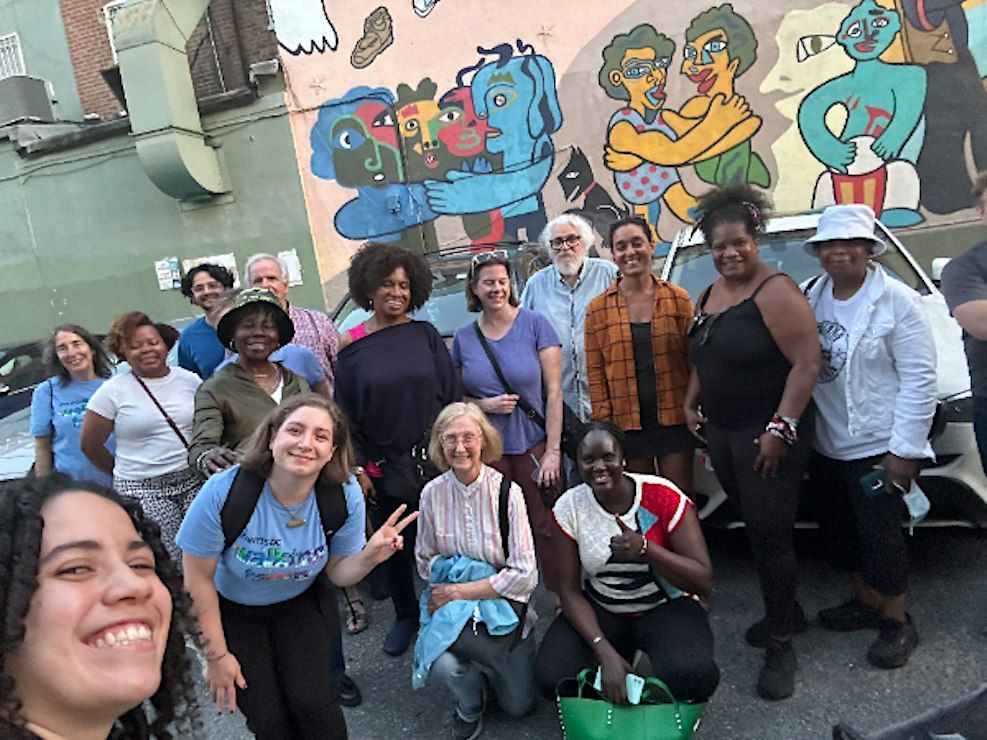
Tour ends at Adams Morgan’s Most Beloved Work of Art, https://boundarystones.weta.org/node/4400
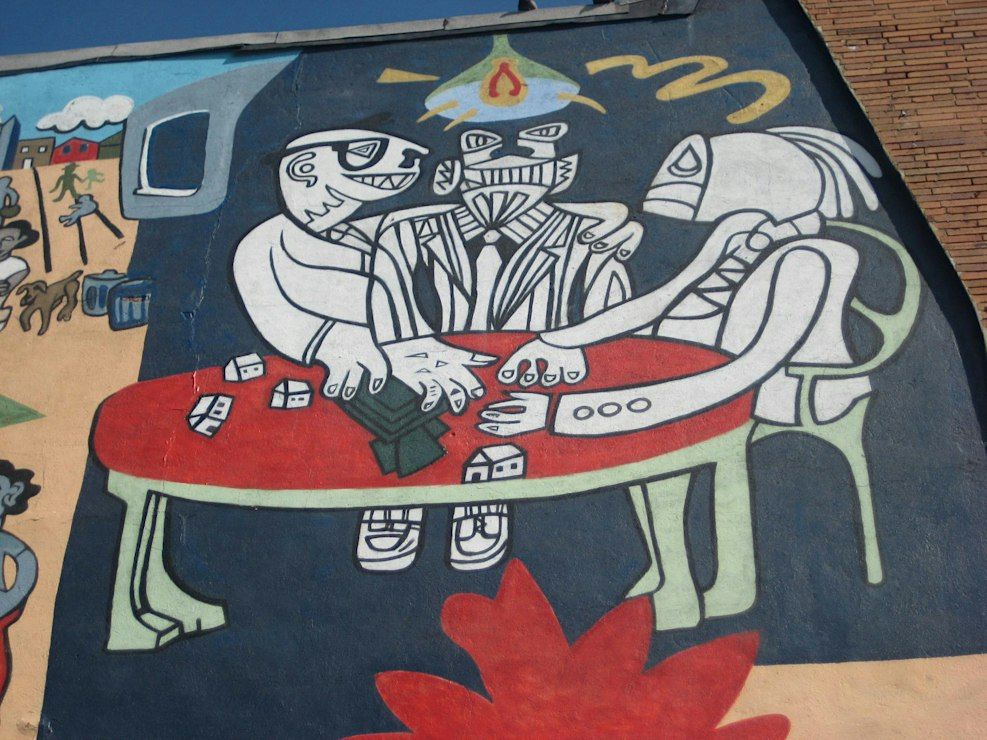
This mural was painted during the condominium-conversion wave that reshaped Adams Morgan in the 1970s and early 1980s. Much of the neighborhood’s early-twentieth-century housing had long been affordable rental apartments for working-class Black, white, and Latino residents. As buildings were sold for conversion, tenants faced eviction and displacement.
The Adams-Morgan Organization, or AMO, organized tenants to fight back. It pressed for residents to buy their buildings collectively—often as cooperatives—rather than lose them to speculation and conventional condo conversion.
AMO also fought redlining. When Perpetual Savings applied to open an Adams Morgan branch, AMO challenged it before the Federal Home Loan Bank Board for failing to serve low- and moderate-income residents. AMO did not block the branch, but won commitments for high-percentage home-purchase and cooperative loans, housing counseling, bilingual service, and community review of loan denials.
The principle was that community deposits and public banking privileges should reinvest in local residents—not finance their displacement. AMO’s struggle formed part of the national anti-redlining movement that led to the 1977 Community Reinvestment Act, requiring federally insured lenders to help meet the credit needs of their entire communities.federalreservehistory+1
Locally, this organizing helped build support for D.C.’s 1980 Tenant Opportunity to Purchase Act, giving tenants a chance to purchase their building when an owner sells.
Where is it happening?
Event Location & Nearby Stays:
USD 0.00