Yellow-legged Asian hornet conference
Schedule
Sat Jan 24 2026 at 09:00 am to 05:00 pm
UTC+00:00Location
The Canalside Conference Centre | Bridgwater, EN
About this Event
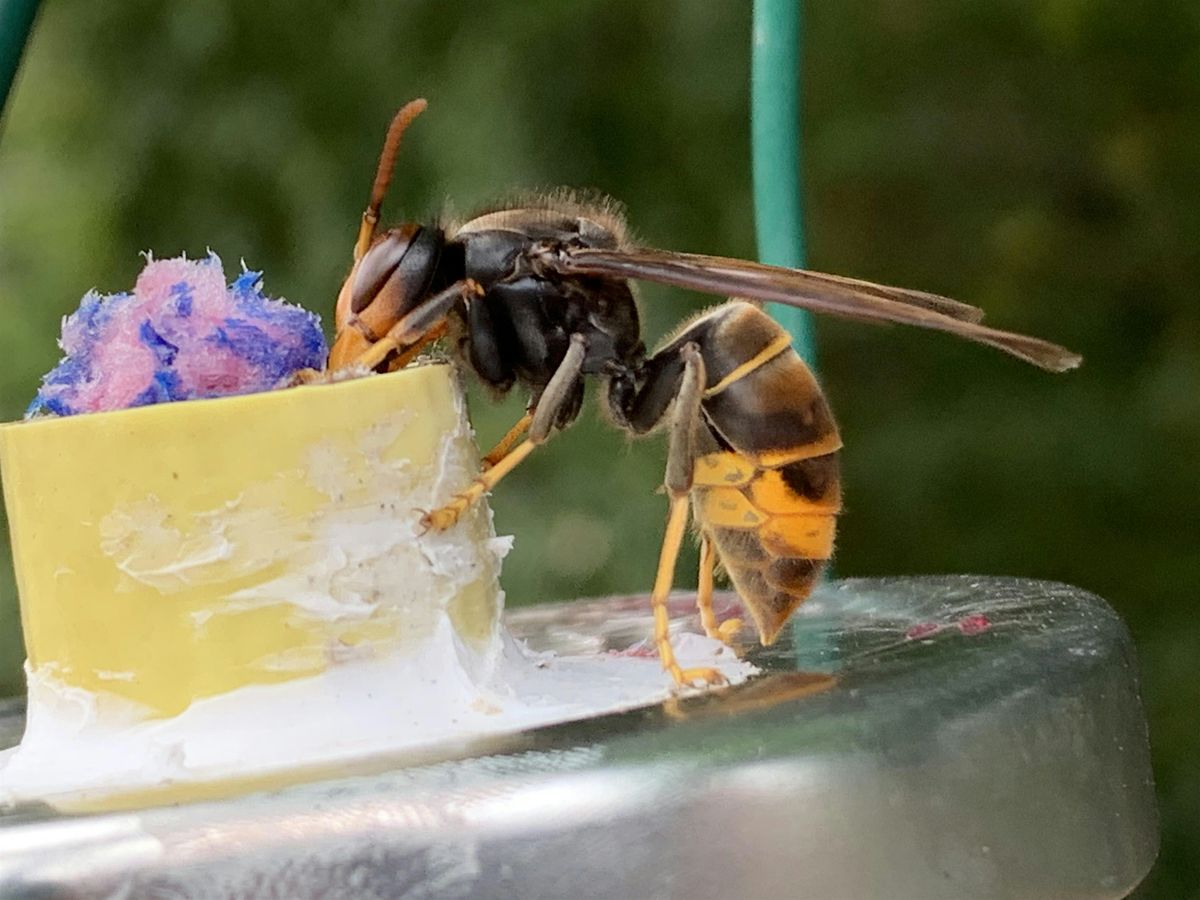
In 2025, 544 Yellow legged Asian hornets (YLH) were sighted, and 162 nests were found (and destroyed) in the UK. Some of them, including two in Dorset, were found and destroyed after the new queens had left the nest leading to the possibility that they will migrate into neighbouring South West counties in the spring. The South West is on the frontline in terms of possible Asian hornet incursions and establishment. We need to prepare well for 2026.
This conference is an opportunity for Asian Hornet Team members, beekeepers, wildlife organisations, Councillors and representatives of organisations who may be impacted by the establishment of YLH in the area, to come together, prepare ourselves and find useful ways of working together.
This is a chance to:
• Hear about the latest developments in YLH research
• Learn from those already living with YLH in the UK and abroad
• Learn new skills and update existing ones
• Share good practice
• Plan ahead for 2026
We've put together a programme of speakers and workshops in a spacious conference centre near to J24 of the M5, with ample parking and refreshments
The programme includes:
• Yellow Legged Hornet Update 2025: Annabel Lewis (NBU)
• Monitoring, impact and control of V.velutina in Belgium: Dominique Soete (Belgium)
• 544 Yellow legged hornet sightings, 162 nests destroyed and 21 queens trapped, but don’t despair! Jackie Thomas, Dover AH Team Coordinator
• See It! Snap It! App It! Anne Rowberry
• Environmental impact of Vvn (YLH): Dr Peter Kennedy
• Yellow legged Asian hornet lifecycle: Dr Sarah Bunker
Breakout sessions - Choose one in the morning and one in the afternoon. An Event Ticket is required to attend any of the workshops.
• Robor Natur - Xander Borre
• Yellow legged Asian hornet lifecycle – Dr Sarah Bunker
• Practical tracking skills - Judith Norman & Warwick Newson
• Protect your bees – Using electric harps, muselieres etc - Dominique Soete
Displays
Plus a great raffle with heaps of prizes!
You must book an Event Ticket before reserving your workshop places (1 x AM and 1 x PM)
BOOK NOW to reserve your place - £15
Please note: the programme is subject to change
Refreshments:
Hot & cold drinks plus cake and crisps etc are available to purchase all day.
Lunches are available to pre-order by 17 January 2026:
Collect and pay on arrival at the venue
These are the lunches you can pre-order:
*All options can be made to accommodate individual dietary requirements, please advise when ordering: [email protected]
• £6 Ham & Salad Sandwiches, Bag of Crisps, Fruit (individually packaged).
• £6 Egg & Chive Sandwiches, Bag of Crisps, Fruit (individually packaged).
• £6 Cheese & Pickle Sandwiches, Bag of Crisps, Fruit (individually packaged).
• £6 Tuna & Sweetcorn Sandwiches, Bag of Crisps, Fruit (individually packaged).
• £7 (VEGAN) Falafel Salad Wrap, Bag of Crisps, Fruit (individually packaged).
• £6 Red pepper and tomato soup & Roll.
Drinks, paninis, soup and a selection of home-made cakes will be available to purchase during lunch and break-times) *
Or bring your own packed lunch!
A View from the NBU - Yellow-legged hornet (Asian hornet) Update 2025: Annabel Lewis
A View from the NBU - Yellow-legged hornet (Asian hornet) Update 2025: Annabel Lewis
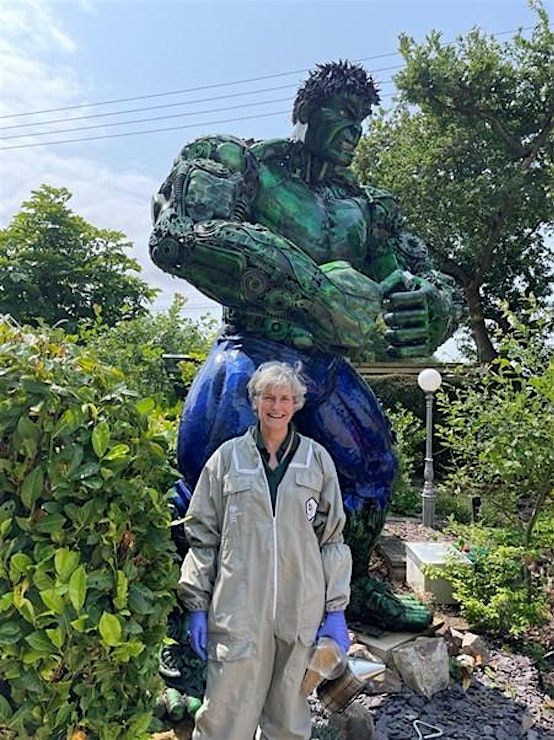
Annabel will update us on Yellow-legged hornets in the 2025 season. Where we are, an update of what happened in the 2025 season and, if possible, any genetics and future plans, but this will be dependent on what has come back from the labs and policy.
Annabel is the Regional Bee Inspector for the South West of England for the National Bee Unit (NBU). With a strong background in practical beekeeping and honey bee health, Annabel plays a vital role in safeguarding pollinators by delivering inspections and disease control programmes in line with the Healthy Bees Plan 2030. Her work includes advising beekeepers on best practices, monitoring for statutory pests and diseases, and coordinating rapid responses to invasive species threats such as the Yellow-legged hornet.
As a Regional Bee Inspector, Annabel leads efforts in the South West to protect honey bees from endemic and exotic threats. She works closely with local beekeepers, providing training and guidance on Integrated Pest Management (IPM), disease recognition, and biosecurity measures. Annabel is also part of the national contingency response team for the Yellow-legged hornet (Asian hornet), which poses a significant risk to pollinators and biodiversity. Her role involves surveillance, track & trace, co-ordinating teams to respond and public engagement to ensure early detection and eradication of this invasive predator.
Impact and management of Vespa velutina: an invasive species threatening honeybees & wild pollinators: Dr Peter Kennedy

Impact and management of Vespa velutina: an invasive species threatening honeybees & wild pollinators: Dr Peter Kennedy
A Research Fellow at the Environment & Sustainability Institute at University of Exeter’s Penryn campus in Cornwall since 2013, Peter has studied the behaviour and ecology of beneficial insects for over 35 years. His research has included how multiple stressors interact to influence the dynamics of social insect colonies (esp. bees) in heterogenous landscapes, which for the last eight years has also included the impact of the invasive predatory hornet, Vespa velutina (YLH).
As many native insects continue to decline, the additional threat posed by the arrival and future expansion of invasive non-native species like the Yellow-legged Asian hornet are especially concerning. Although INNS are globally well-recognised as one of the main drivers of biodiversity loss, understanding of the wider impact of YLAH, beyond honeybee survival, is only beginning to emerge. As adaptable opportunistic predators, they prey on a wide range of invertebrates and other protein sources, but even their mere presence can be disruptive to native species’ interactions and ecosystem function. Management will only be touched on briefly as other speakers at this conference will cover this topic more fully. Regional responses rely on public involvement in reporting sightings and thereby support efforts to prevent the establishment and expansion of this species. Technological solutions (e.g. automated AI-based monitoring) offer real promise in assisting and augmenting such critical efforts.
Monitoring, impact and control of Yellow-Legged hornets in Belgium: Dominique Soete
Monitoring, impact and control of Yellow-Legged hornets in Belgium: Dominique Soete
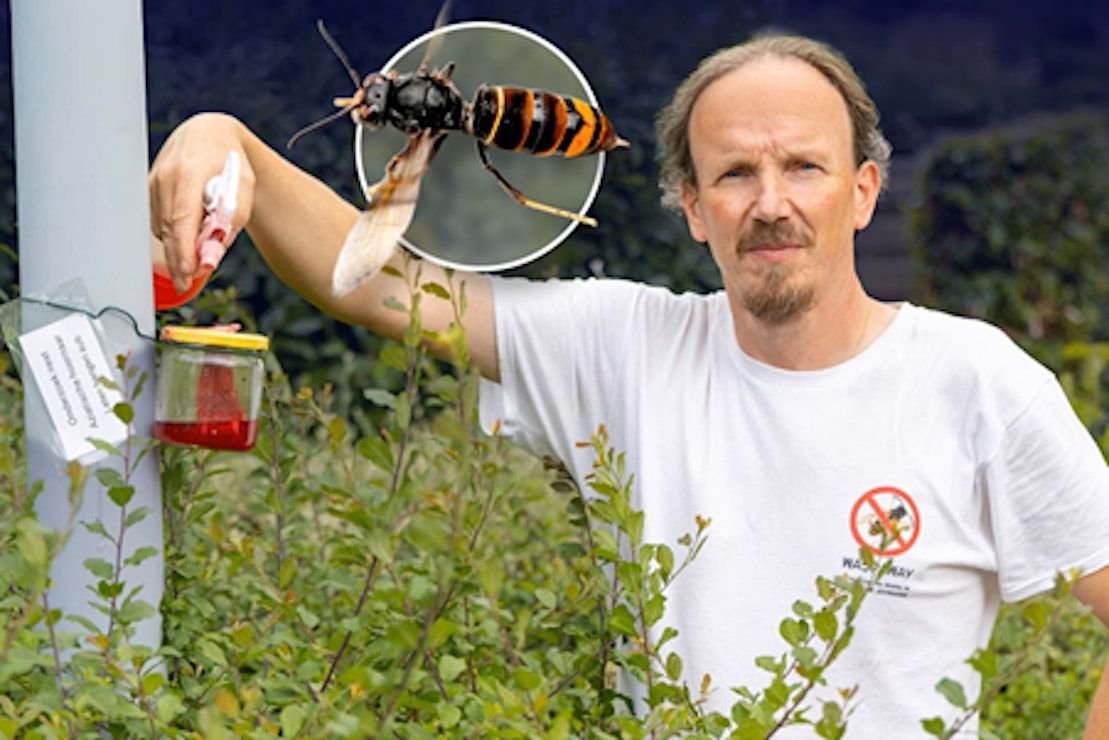
Dominique is a Flemish citizen scientist. In 2018, when the Flemish website vespawatch.be for reporting nests and individuals of Yellow-legged Asian hornets started, he became interested in this invasive species. He began to follow the Jersey Asian Hornet Group and searched ways to destroy the nests. In 2019 he made a course for eradicators. In Jersey, which he visits multiple times each year, he is known as the “Hornet whisperer” for his impressive ability to spot Asian Hornet nests He helps with searching and destroying nests on the island but also trained people from the Netherlands and Germany.
Presentation - Monitoring, impact and control of Yellow-Legged hornets in Belgium
The spread of the Yellow-legged Asian hornet in Belgium, Europe and the UK.
Since the introduction of the Yellow-legged Asian hornet in 2004 in France, the spread of this invasive species went very quick with approx. 78 km per year. The Asian hornet has come to the UK and is as well established now. Eradication is no longer a possibility. What are the do’s and don’ts to prevent that the nest numbers go up to 20 nests per km² so that beekeeping is no longer possible.
Workshop - Beekeeping with the Yellow-legged Asian hornet all year round.
What can a beekeeper do to protect his bees, is a question that always returns. Therefore it is important to understand the lifecycle of the Asian hornet and the way it can affect your beehives. Starting with spring trapping in the beginning of the year, going to protecting the beehives in summer and autumn so that bees don’t come in foraging paralysis are the main things you must do. You are getting an overview of different traps and protective systems at your apiary.
544 Yellow legged hornet sightings, 162 nests destroyed and 21 queens trapped, but don’t despair! Jackie Thomas
544 Yellow legged hornet sightings, 162 nests destroyed and 21 queens trapped, but don’t despair! Jackie Thomas
Based on these numbers recorded by APHA, as of 21 November 2025, beekeepers may believe it’s all over; this presentation explains how they can be viewed in a far more positive light and why containing nest numbers to allow beekeeping to continue as normal, is still a possibility.
Nevertheless, as Dover & District beekeepers enter their fourth year of action, they consider this as the critical year. YLAH co-ordinator, Jackie Thomas, will explain her Association’s containment strategy and put forward key points which other BKAs should consider in their planning.
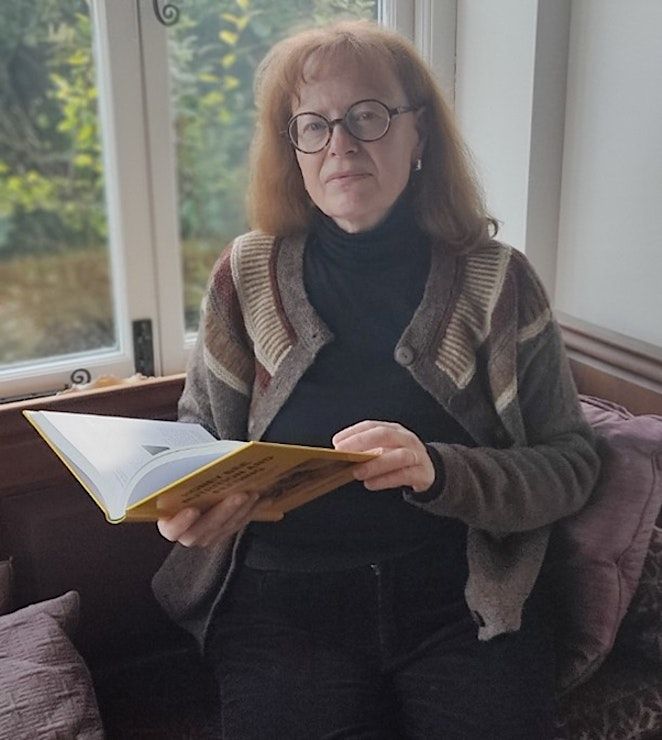
Jackie Thomas has a BSc (Hons) degree in Botany, a Post Graduate Certificate of Education and taught science for over 26 years. She became a beekeeper 12 ago and currently has 20 colonies. She is a Master Beekeeper.
As Education officer for Dover & District BKA, she offers a range of training courses at different levels for both her Association and other organisations; she also supports the running of the Association apiary and mentors new members.
In 2023 she became YLAH co-ordinator and is responsible for devising and overseeing the Association’s containment plan.
See It! Snap it! App It! – preparing for 2026: Anne Rowberry
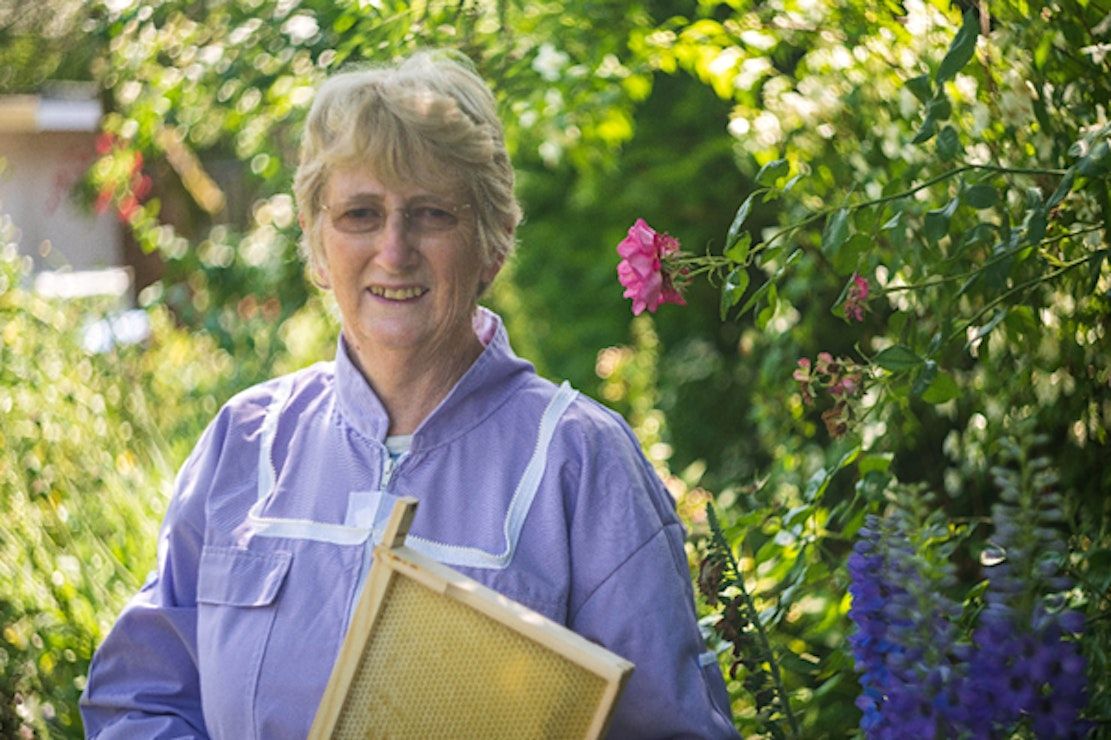
See It! Snap it! App It! – preparing for 2026: Anne Rowberry
What is a yellow-legged Asian hornet? What does it look like and how will I know if I see one?
A brief reminder of the main features of the Asian or Yellow-legged hornet (YLH), how to identify them and how they differ from the native European Hornet and other look alike insects. I will cover when and where to spot YLH and their nests during the year, and how to report them if I think I have seen one.
I trained as a teacher, taught in Wales for a short time and also in Yorkshire as an outdoor pursuits instructor, I then spent several years in Singapore teaching in the United World College which gave me opportunities to discover the rainforest fauna and spend time with the Aborigines living in surrounding countries, learning quickly not to question what it was when being given food,
Returning to teaching in England I gained a Masters degree from Bristol University and a Counselling Diploma from Reading University and acquired my first hive of bees. I became determined to learn more about these fascinating insects, working through the examination system to become a Master Beekeeper. And taking on a role as a BBKA Trustee, Chair and then BBKA President.
I was involved with Asian Hornets before they arrived in England making several trips to Jersey, involving in tracking, marking, and analysing the contents of nests collected. I also visited research projects in Spain and Portugal where I saw the devastating threat to parts of their economy and realised the hornet’s potential threat to beekeepers, fruit farmers, the general public and native insects here in the UK. I am conscious of the need to make everyone, not only beekeepers aware of the major impact they could have in this country.
Practical tracking: Warwick Newson and Judith Norman

Practical tracking: Warwick Newson and Judith Norman
Both Warwick and Judith have first-hand experience of tracking and finding nests.
Currently we are very lucky to have the NBU and their colleagues doing this work and arranging for destruction of the nests once they have found them. The time could come though, when they are not available to respond when we have a confirmed sighting locally, perhaps due to being too stretched elsewhere. As time goes by and nests remain hidden, the chances of new queens emerging increases, so we need to be able to act if necessary.
On Jersey, tracking is done by volunteers. A good system has evolved, watching hornets leave bait, triangulating with multiple bait pots, and steadily closing in on the nest, narrowing down the likely position. Even if the nest is not found in this way, doing the “spadework” of narrowing down to an approximate location can inform a radio tracking team arriving later. It will help them to locate the nest more easily when they finally do get there, enabling them to move on quickly to the next one.
Judith is a Devon beekeeper and has been to Jersey to help with tracking several times. Two aspects in particular have interested her:
1. The logicality of the sequence of tracking with the reward of paying attention to detail.
2. The enthusiasm of the community once they have begun to understand the sequence. The enjoyment of collaboration with other group members has brought about close networks of like minded friends.
Warwick has been keeping bees for about 10 years and has spent the past seven on Asian hornet committees, including the BBKA Asian Hornet Committee. My work has involved trapping and tracing in both Jersey and the New Forest, giving me hands-on experience with field detection and response. I’m here to share what I’ve learned and help you build confidence in recognising and dealing with Asian hornets.
Asian Hornet lifecycle: Dr Sarah Bunker

Asian Hornet lifecycle: Dr Sarah Bunker
Sarah is a beekeeper and author of ‘The Yellow-Legged Asian Hornet - A Handbook’ (the second edition of ‘The Asian Hornet Handbook’). She learned how to hunt for YLH nests in Jersey, initially in 2018, using various methods, and has kept up-to-date with developments and the scientific literature since then. She will explain the life cycle of this extremely successful hornet, including a brief look at the relationship between population dynamics and the practice of Spring trapping.
Test your ID skills : Lynne Ingram
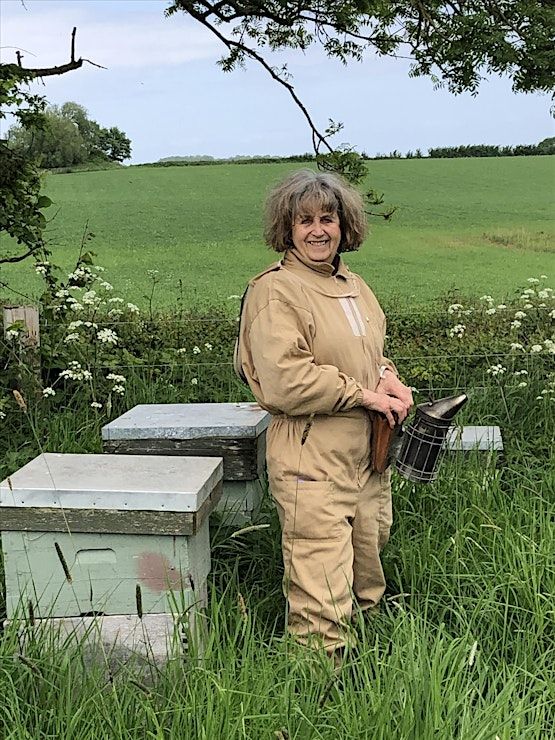
Test your ID skills
We often see pristine pictures of YLH on their own with nothing else around. The reality is that we may be asked to identify a YLH from a poor photo or video or in poor visibility. This is a light-hearted quiz where you can really test your own ID skills.
Lynne Ingram
Lynne is the Somerset Asian Hornet Teams Coordinator and event organiser. She first worked with hornets in Jersey in 2018. Lynne is a Master Beekeeper and holds the NDB.
Asian Hornet Tracking systems - Robor Nature
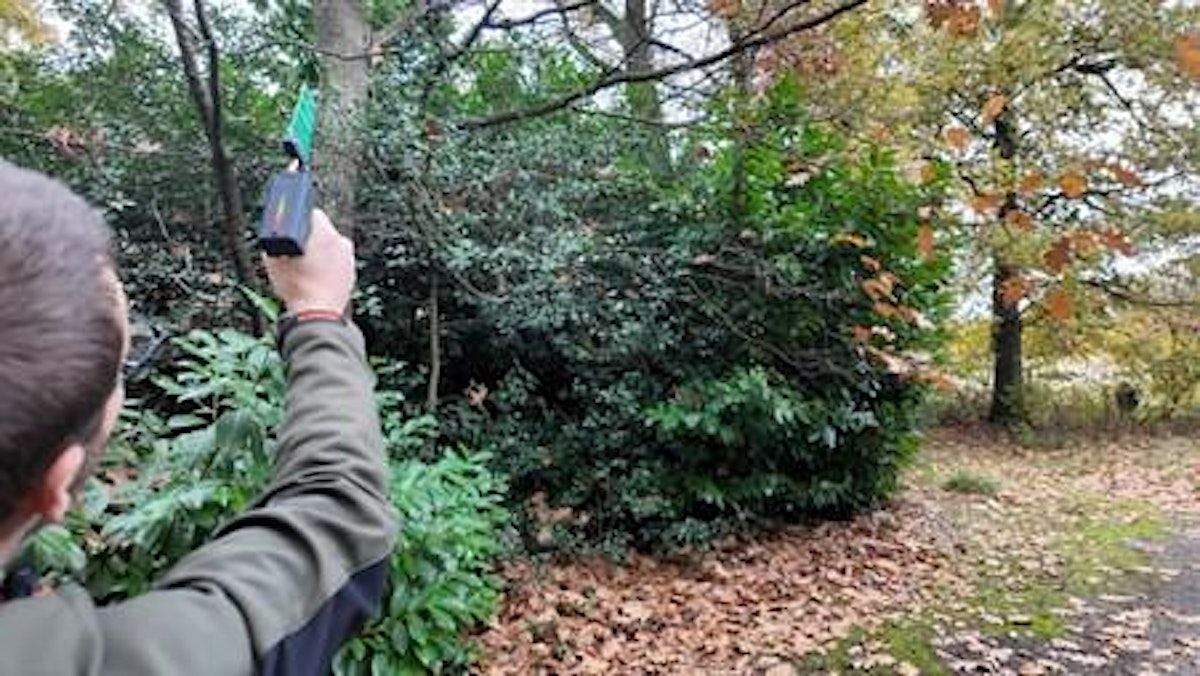
Asian Hornet Tracking systems
Based on our passion to protect lives and nature in a unique way, we have specialized in innovative nature concepts over the past 20+ years.
At Robor Electronics we develop electronic applications, hardware and software to help people, animals and nature. For every problem you encounter, we look at what we can do and what we can come up with. We are good at creating new and innovative solutions. Innovation is not only about new ideas, but also about making things smarter. We want to make the way of doing things more efficient.
We are specialised in drone technology and wireless communication systems. Within these specializations we deal with sensors, flying, detection, localization and software development. We develop various products and solutions for specific applications, such as thermal cameras and software that makes the execution of operations more efficient.
Programme (may be subject to change)
9.00 Registration – tea/coffee – displays - Raffle tickets
9.25 Welcome
9.30 A view from the NBU – Yellow Legged Hornet Update 2025 - Annabel Lewis
10.20 – Monitoring, impact and control of V.velutina in Flanders, Belgium - Dominique Soete
11.10 – Tea/Coffee
11.40 Breakout sessions (Choose ONE morning session)
1a Impact and management of Vespa velutina: an invasive species threatening honeybees & wild pollinators – Peter Kennedy
1b Asian Hornet lifecycle – Sarah Bunker
1c Test your ID skills - Lynne Ingram
1d Practical Tracking Skills - Judith Norman & Warwick Newson
12.40 Lunch break - displays
1.30 Breakout sessions (Choose ONE afternoon session)
2a Beekeeping with the Yellow-legged Asian hornet all year round (traps/ muzzles/ electric harps etc) -Dominique Soete
2b Asian Hornet Tracking systems – Xander Borre, Robor Nature
2c Practical Tracking Skills - Judith Norman & Warwick Newson
2.30 Tea/Coffee
3.00 544 Yellow legged hornet sightings, 162 nests destroyed and 21 queens trapped, but don’t despair! Jackie Thomas
3.50 See it! Snap it! App it! Anne Rowberry
4.40 Farewell & raffle draw
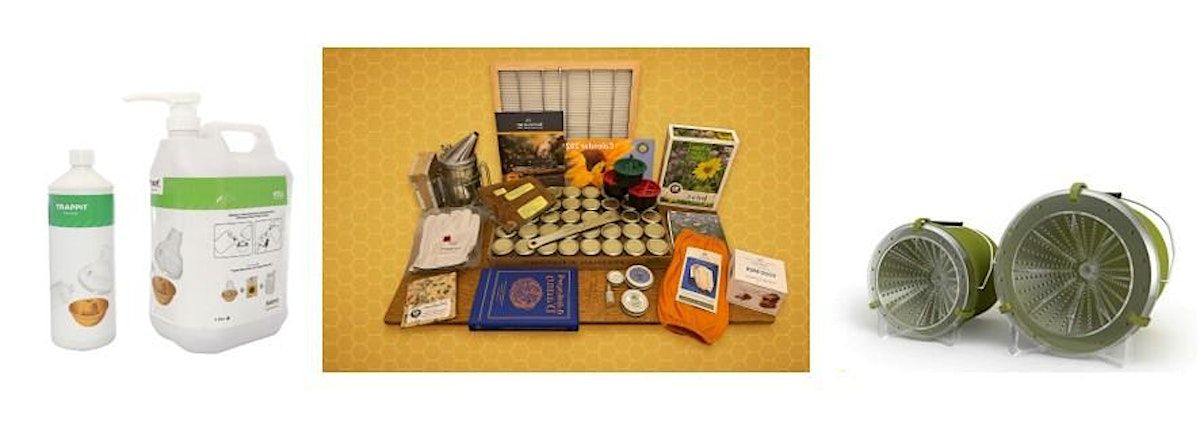
Great raffle prizes including £200-worth of Trappit!
CONFERENCE SPECIAL OFFER!
Trappit Liquid Wasp Bait 1L - £13.20 (£11.00 Ex VAT)
Trappit Liquid Wasp Bait 5L -£42.00 (£35.00 Ex VAT)
Trappit Wasp Dome Trap (Each) -£9.60 (£8.00 Ex VAT)
Postage is free next working day subject to availability on orders over £170. Anything under this order value will be charged at £9.99 for a next working day service.
To place an order, click here
Sponsors
We are very grateful to the South West Beekeeping Forum and South West Water for their generous sponsoship.

Main image photo caption: Yellow-legged hornet (Vespa velutina) on a wick jar bait point, Courtesy of APHA, Crown Copyright
Where is it happening?
The Canalside Conference Centre, Marsh Lane, Bridgwater, United KingdomEvent Location & Nearby Stays:
GBP 0.00 to GBP 15.00