Willamette Rose | Urban Forest Bath & River Walk
Schedule
Wed Feb 11 2026 at 03:30 pm to 05:00 pm
UTC-08:00Location
Owen Rose Garden | Eugene, OR

About this Event
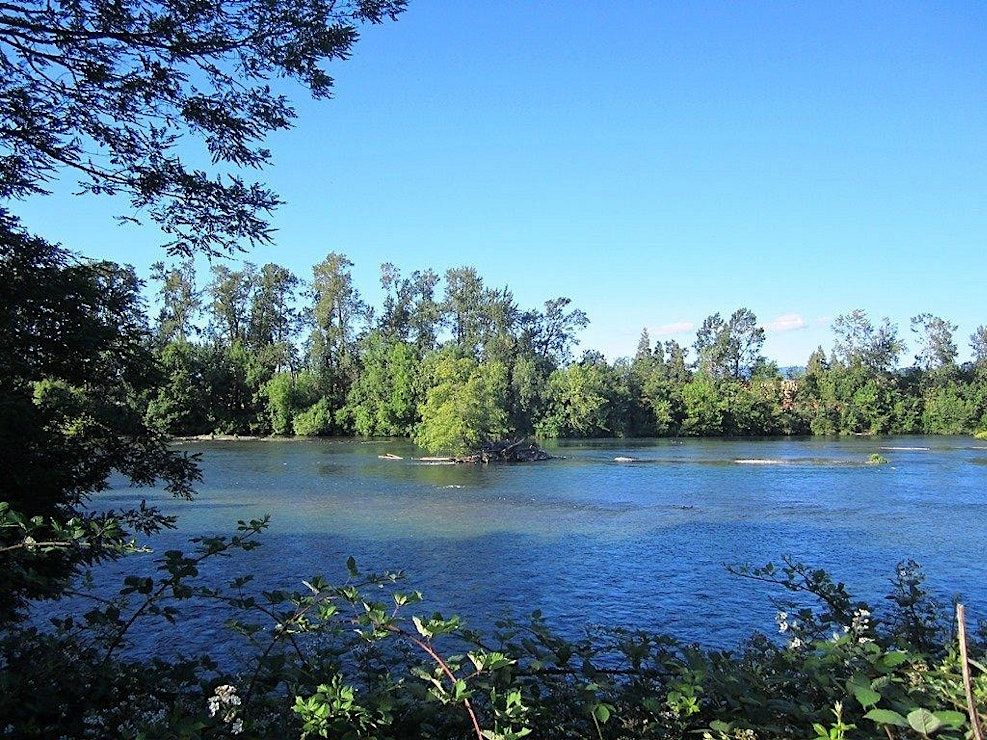
Our Willamette Rose Urban Forest Bath & River Walk begins at Maurie Jacobs Park, the meeting point of several powerful natural systems. This landscape looks gentle, but it was shaped by floods, fire, and movement. The soils beneath your feet arrived in cataclysmic waves. The river has never been still. The abundance people depend on here is cultivated through deep ecological knowledge and integration. Here, moving water, flood-shaped land, riparian forest, and open sky overlap in a way that is rare in modern urban environments.
We continue with a meditative walk along the Willamette River, where these convergence zones concentrate life, moderate extremes, and create a sense of coherence that the human nervous system instinctively recognizes. Long before cities existed, places like this signaled safety, nourishment, and continuity. For most of human history, survival depended on finding landscapes where water was reliable, food sources were diverse, and visibility allowed early detection of danger. Convergence zones provided all three. They supported fishing, foraging, travel, and social gathering, while also offering refuge from climatic extremes. Air near rivers tends to be cooler in summer and less stagnant year round. These microclimatic effects reduce physiological stress and support easier respiration. Some research also suggests that moving water increases negative air ions, which subtly influences mood and alertness.
For the nervous system, this combination creates what psychologists call soft fascination. Attention is engaged without effort. The mind does not need to control the experience. This is why listening to the river often feels grounding rather than distracting, and why stillness near water gives you a sense of being fulfilled. Cultivated gardens increase wellbeing by creating spaces that engage the senses and provide a break from the demands of daily life. The vibrant colors, varied textures, and fragrant scents of flowers stimulate visual and olfactory senses, which can reduce stress and promote relaxation. Being in a garden encourages mindful observation and slows the pace of movement, allowing individuals to shift attention away from cognitive overload and into a state of restorative presence.
Gardens also support psychological and social wellbeing by offering a sense of connection to nature and the cycles of growth and renewal. They provide peaceful spaces for reflection, contemplation, and gentle movement, which can improve mood and reduce symptoms of anxiety and depression. The presence of plants and flowers in urban settings can enhance the perception of safety and beauty, fostering feelings of comfort and care. Shared gardens encourage social interaction and community engagement, which strengthens social bonds and a sense of belonging within urban environments.
The body learned, over thousands of generations, that these environments were places where vigilance could soften without increasing risk. When you arrive here, your body is responding to those same conditions. Even if you consciously experience this as a park or garden, your nervous system interprets it more deeply. It registers abundance, predictability, and balance. That recognition is the foundation of how Nature begins to work before any instruction is given.
Owen Rose Garden, is home to over 750 varieties of roses, and the oldest and largest black Tartarian cherry trees in the United States, adding deep historical resonance to the site. Seasonal bloom gatherings (like Hanami) encourage group interactions, which support oxytocin release, improving social connectedness and reducing loneliness. Here we slow down and observe Nature's power to shift our internal state with a 45 minute guided session of Shinrin-yoku, forest bathing or immersive forest therapy.
What to Expect
Forest bathing, also known by the Japanese term shinrin-yoku, is a mindful practice of spending slow, intentional time in a forest or natural setting to support mental, emotional, and physiological well-being. These special forest bathing experiences will be nourishing to the soul, offering a safe space to wander, reflect, and restore.
We begin with a guided mindfulness meditation, then experience the Owen Rose Garden through a series of exploratory invitations that encourage grounding and playfulness with nature. Walks will conclude with shared reflections.It is not hiking or exercise-focused. The emphasis is on sensory immersion: noticing the textures of bark, the sound of wind and birds, the scent of soil and leaves, and the quality of light. You move gently, pause often, and allow the environment to regulate your nervous system rather than trying to “do” anything productive.
Origins
The practice emerged in Japan in the 1980s as a public health intervention to counter rising stress and burnout associated with urbanization and work culture. It has since become a structured therapeutic modality in many countries.
How it works
Forest bathing activates the parasympathetic nervous system (rest-and-digest). Research links it to:
- Reduced cortisol and blood pressure
- Improved mood and emotional regulation
- Enhanced immune function (associated with exposure to phytoncides—volatile organic compounds released by trees)
- Improved attention and cognitive clarity
What a session looks like
A typical session lasts 75 - 120 minutes and may include:
- Slow, silent walking
- Guided sensory invitations (listening, touching, breathing)
- Periods of stillness or reflection
- Optional group sharing at the end
What it is not
- Not a workout
- Not wilderness survival
- Not goal-oriented or outcome-driven
In short, forest bathing is a deliberate recalibration of the human nervous system through relationship with nature and is especially effective for stress recovery, leadership fatigue, and emotional depletion.
Tips for your Forest Bath
Our session will be held outdoors with limited indoor or covered options available for inclement weather. Please dress appropriately with sturdy footwear.
Timing: Arrive 10 - 15 minutes prior for check in. Your guide will be wearing a green vest.
Duration: 1.5 Hours. Total walking time is approximately 35 minutes.
Safety: This is an easy walking tour with flat surfaces and slow pace. Remain close to the group and avoid wandering off the paths.
What to Bring: Supplies; Water (or water bottle for collecting spring/well water), snacks, yoga mats, walking stick, journals, sunscreen, disposable camera/binoculars, poncho, wipes/tissues, hand sanitizer. (Cash if you’d like to tip your guides). Clothing; Layers, waterproof walking/hiking boots in the Fall/Winter, water shoes, gloves, hat, towel.
Photography & Research: Bridges, waterfalls, and shorelines are ideal for capturing misty landscapes or atmospheric conditions in the Valley.
Respect & Preservation: Avoid entering residential and private driveways. Stick to trails and campsites, and avoid disturbing wildlife or historical structures. We encourage silence during forest bathing and riverside stops to maximize energetic and sensory experiences.
Where is it happening?
Owen Rose Garden, 300 North Jefferson Street, Eugene, United StatesEvent Location & Nearby Stays:
USD 44.47