Walking Tour - World’s End - Living in the Wrong End of Chelsea
Schedule
Sat Jan 24 2026 at 01:00 pm to 03:30 pm
Location
Outside Imperial Wharf Station | London, EN
 A water-everywhere walk chronicling how the poor lived in an area of gas works, power station, pleasure gardens, boats and street life.
About this Event
Developers now call this rising area Lot’s Village and Chelsea Waterfront, but as World’s End it was ignored — a place of factories, tenements, coal-carrying ships, workshops and grimy streets, into the later 20th century.
The Imperial Gas Light and Coke Company at Sand’s End was a pioneer of the gas industry in Europe, with offices and laboratories providing jobs to lucky locals. Now hidden inside a developing estate, Gasholder No 2, built in 1829, is the oldest and largest surviving gasholder in the world. The Power Station at Lots Road, completed in 1904, supplied energy for most London underground railways and tramways for nearly a hundred years.
In the 19th-century Chelsea was home to many artists. Both JMW Turner and James McNeill Whistler came to live along this end of the riverside because it was cheap and they wanted to paint the vast skies, river, boats, shorelines and bridges.
For 30 years much of this area constituted Cremorne Pleasure Gardens, a major Victorian site of entertainment, famous for fireworks, balloon ascents and plentiful women selling sex. It closed only when middle-class residents of an area newly-defined by Bazalgette’s Embankment campaigned against the noisy, sexy night-life.
German bombers obliterated a large area when aiming for the power station in WWII. Westfield Park, Guinness Trust buildings on King’s Road and Donald James’s A Blitz Childhood tell the story on the ground.
A houseboat community at Chelsea Reach survives and campaigns for its right to remain, despite developers’ dreams. Penelope Fitzgerald’s novel Offshore described the mostly scruffy community in the 1960s.
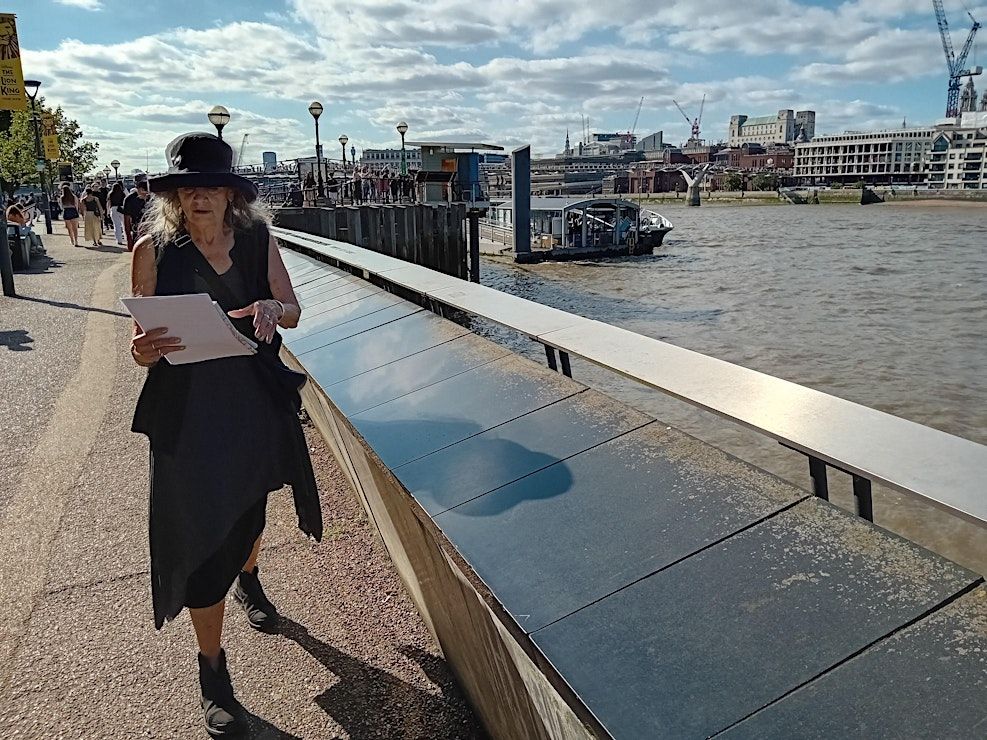
The walk finishes on a wide Thames path at Chelsea Creek, passing remnants of the old harbour, with spectacular views in both directions along the river. The walk begins and ends at Imperial Wharf Station.
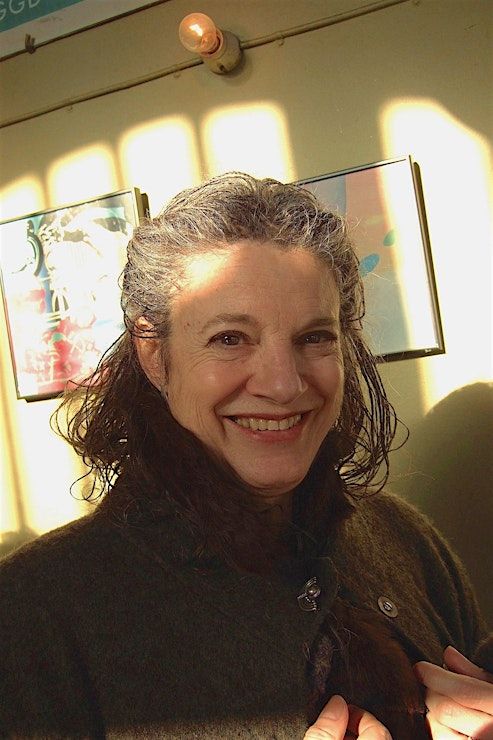
Laura Agustín is an historian and anthropologist interested in illuminating the lives of unnamed people in history - the 'ordinary folk'.
is Laura's longtime blog, now dedicated to historical walks that highlight issues of Gender, Sex and Class.
Where is it happening?
Outside Imperial Wharf Station, Harbour Road, London, United KingdomGBP 12.50 to GBP 17.50