Trauma-Focused Cognitive Behavioral Therapy (TF-CBT) Introductory Training

About this Event
Central Oregon Association of Psychologists
Regional affiliate of the Oregon Psychological Association
Trauma-Focused Cognitive Behavioral Therapy (TF-CBT)
Introductory Training
Presented by Brandi Liles, Ph.D. and Brandi Hawk, Ph.D.
DATE: Friday December 4th & Saturday December 5th 2026
8:30 am until 4:30 pm PST
14 hours Continuing Education Credit
Location: Central Oregon Community College (COCC)
2600 NW College Way, Bend, Oregon
(specific room at COCC to be determined at a later date)
This workshop will be capped at 60 participants
Workshop Overview: This training includes a 2-day introductory course on Trauma-Focused Cognitive Behavioral Therapy. TF-CBT is an evidence-based treatment for children and adolescents (ages 3 - 21) impacted by trauma developed by Esther Deblinger, Judith Cohen and Anthony Mannarino. It is a components-based treatment that integrates trauma-sensitive interventions with cognitive-behavioral strategies to reduce emotional and behavioral symptoms. The treatment addresses distorted beliefs and attributions related to trauma and provides a supportive environment in which children are provided the skills and support to address their traumatic experiences. TF-CBT also helps caregivers and other supportive adults, who are valued participants in the treatment, to support their children. The treatment is appropriate for children and adolescents who have experienced a range of traumatic experiences including school violence, physical or sexual abuse, witness to other types of violence, traumatic loss and separation, etc. as well as complex trauma history and symptoms. Other traumatic events may be exposure to parental substance abuse and/or mental illness, homelessness, medical traumas, or system-induced traumas.
Key components of TF-CBT include psychoeducation about trauma, trauma symptoms, and associated developmental considerations; individualized stress management skills, emotional regulation skills including identifying and modulating feelings, cognitive coping skills including increasing helpful and accurate thought patterns, personal safety skills, and gradual exposure and processing of thoughts and emotions directly related to the traumatic event. Training will provide knowledge and skills in each of these areas by utilizing lecture, videos, clinical discussion, role plays, practice activities, and therapist reflection.
This training will also discuss important concepts related to reducing compassion fatigue, secondary traumatic stress, and vicarious trauma to help the trauma clinician sustain a healthy life while serving traumatized children and families.
Participants Seeking TF-CBT Certification: This introductory training meets criterion #4 for the TF-CBT National Therapist Certification Program. To obtain full certification, participants will also need to take an online Webcourse, attend consultation calls, and carry active cases. The speakers will discuss ways to seek ongoing individual consultation for participants interested in seeking full certification.
Participants seeking full certification will need to complete an online Webcourse, preferably before the training but required before working with their consultation groups. The webcourse costs $35 and can be found at this link https://tfcbt.musc.edu
Learning Objectives: By the end of this training, participants will be learn to:
Day 1 (Friday)
- Describe dynamics of trauma including neurobiological, psychological (affective and cognitive), and physiological reactions to trauma.
- Assess and interpret trauma exposure and trauma-related symptoms using at least one standardized measure to measure treatment outcome.
- Utilize the PRACTICE components of TF-CBT through lecture, discussion, role plays, and activities.
- Identify and implement tools to manage compassion fatigue, vicarious trauma, and secondary traumatic stress while engaging in trauma work with youth and their families.
Day 2 (Saturday)
- Identify strong rationales for helping children process traumatic memories
- Develop effective and creative age-appropriate strategies to help children process traumatic memories including thoughts, feelings and behaviors
- Implement 2-5 cognitive processing strategies to help children process intense or ineffective emotions related to traumatic event
- Practice strategies for engaging safe caregivers in trauma processing
- Demonstrate safety enhancement strategies including abuse prevention.
- Identify appropriate steps for termination of TF-CBT
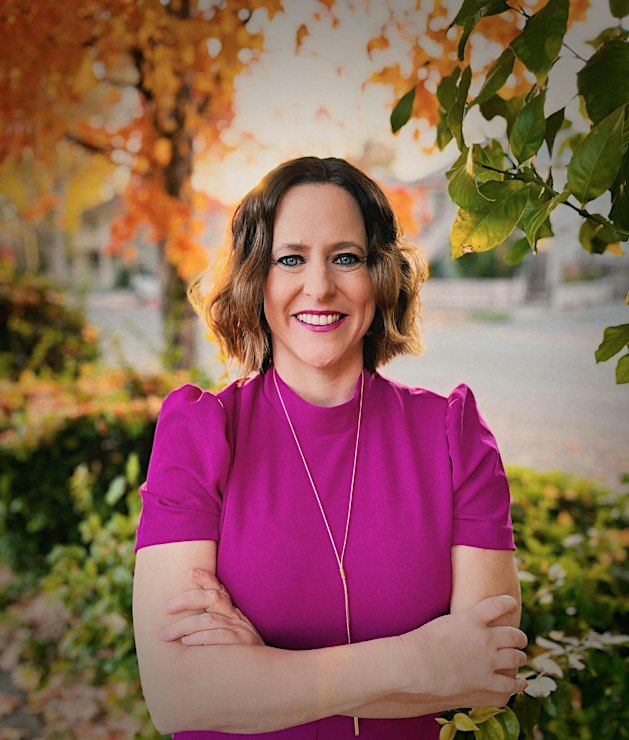
Brandi Liles, Ph.D. is a licensed clinical psychologist and Nationally Certified Trainer for Trauma-Focused Cognitive Behavioral Therapy. She has dedicated her 15-year career to serving children and families exposed to trauma and child abuse in both community mental health settings and private practice. She provides trauma-informed, culturally-responsive evidence-based assessment and treatment to children, their families, and young adults, provides training and consultation for early career mental health professionals, social workers, probation officers, and other professionals.
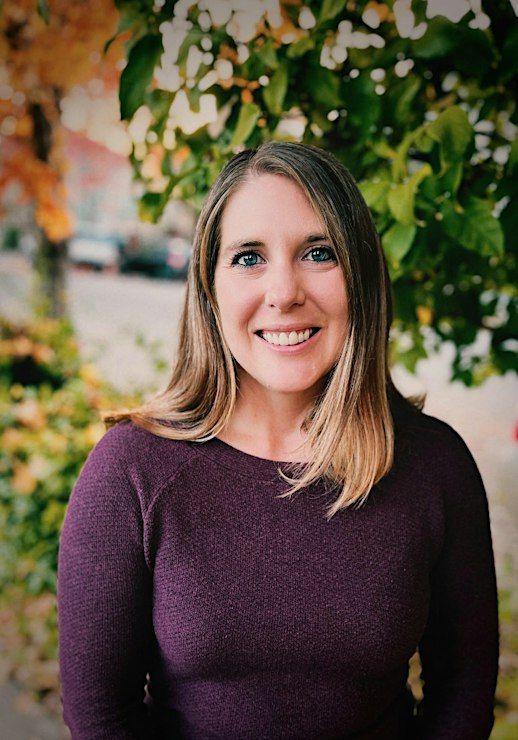
Brandi Hawk, Ph.D. earned her doctorate in Clinical and Developmental Psychology from the University of Pittsburgh. She is currently the CEO of Red Leaf Psychology, Inc and co-host of The Nerdy Psychologist Book Club podcast. She is a co-developer of Parent-Child Care (PC-CARE),a certified trainer and trainer of trainers for PC-CARE and Parent Child Interaction Therapy (PCIT), and a certified Trauma-Focused Cognitive Behavioral Therapy provider. She also conducts trainings nationally and internationally regarding trauma-focused treatments, chronic pain and trauma, the impact of trauma on children, and supporting children in out-of-home care.
Costs: COAP uses an online registration process that accepts credit and debit cards. The lowest registration rates are associated with early registration; we encourage you to sign up early to secure your spot. This workshop is limited to the first 60 participants who register. If the workshop is sold out, please contact COAP directly; we will add you to a waitlist and notify you if a spot becomes available.
In response to the Oct 15th tragedy, we are offering this workshop at a significant discount due to the contributions of COAP and COCC and the generosity of the presenters. The registration fees are only intended to offset the remaining costs. Any proceeds generated will be donated to a cause supporting the victims.
Register by November 20, 2026
COAP Member: $200
Non COAP Member: $210
Registered after November 20, 2026
COAP Member: $215
Non COAP Member: $225
Student Rate $80
If you would like to participate in this training and have limited financial means, please contact COAP directly to discuss a reduced payment option.
I*Membership in COAP is limited to Central Oregon based active and retired psychologists, residents, and psychologist associates. You must be current with COAP dues to register at the membership rate. Yearly COAP dues are $25 and need to be paid in September via Cheddar Up website (a small fee will be charged by cheddar up). Please use this link to pay dues: https://coap-membership-2026-27.cheddarup.com
We welcome all allied mental health practitioners to our workshops (at non-member registration rates). Receiving Continuing Education credit from your various Licensing Boards is left to the discretion of the individual practitioner. Please see note below about APA.
**A $60 cancellation fee applies to requests received before 12:01 AM on the Monday prior to the event. Cancellations made during the week of the event are subject to a $75 fee. Registration fees are non-refundable for no-shows or attendee dissatisfaction.
Students are invited to attend for $80. Please be prepared to submit a copy of your student identification card as proof of your student status.
Questions can be directed to [email protected]
Check out the COAP website for additional information https://www.coapworkshops.org
Where is it happening?
Event Location & Nearby Stays:
USD 80.00 to USD 225.00