Telling Global Stories: How U.S. Policy Shapes Lives Around the World
Schedule
Wed Apr 29 2026 at 04:00 pm to 05:15 pm
UTC-05:00Location
Science Hall | Madison, WI
 IRIS NRC Film Club featuring Pulitzer Center grantee journalist Molly Knight Raskin
About this Event
Join IRIS NRC for a hybrid conversation with Molly Knight Raskin, an award-winning journalist and Pulitzer Center grantee whose work explores the human consequences of U.S. policy decisions around the world.
This event draws on her Emmy-nominated short documentary, (26 minutes), which examines the dismantling of the United States Agency for International Development (USAID) and its ripple effects on communities globally. The event will focus on a live discussion with Raskin about her reporting process, key findings, and the broader implications of changes to U.S. foreign aid.
Participants are encouraged to watch the documentary in advance (available here for free), though this is not required.
The conversation will explore:
- How U.S. foreign policy decisions translate into lived experiences across borders
- The role of journalism in making complex global issues visible and understandable
- Approaches for engaging students in discussions about foreign aid, policy, and global interdependence
Attendees will have the opportunity to engage directly with Raskin during Q&A.
Event Location:
Science Hall, Room 140, UW–Madison (in person) + Zoom (virtual)
This event is free and open to the public. K–12 educators are encouraged to attend.
Molly Knight Raskin is a freelance journalist and producer whose work focuses on the global effects of U.S. policy, including recent reporting on changes to U.S. foreign aid systems. Her producing credits include reports for PBS NewsHour and the investigative documentary program FRONTLINE. Her documentary film credits include series for Netflix, National Geographic, and A&E.
Molly has received several journalism honors for her work reporting on global and mental health, including a Rosalynn Carter Fellowship for Mental Health Journalism and multiple grants from the Pulitzer Center.
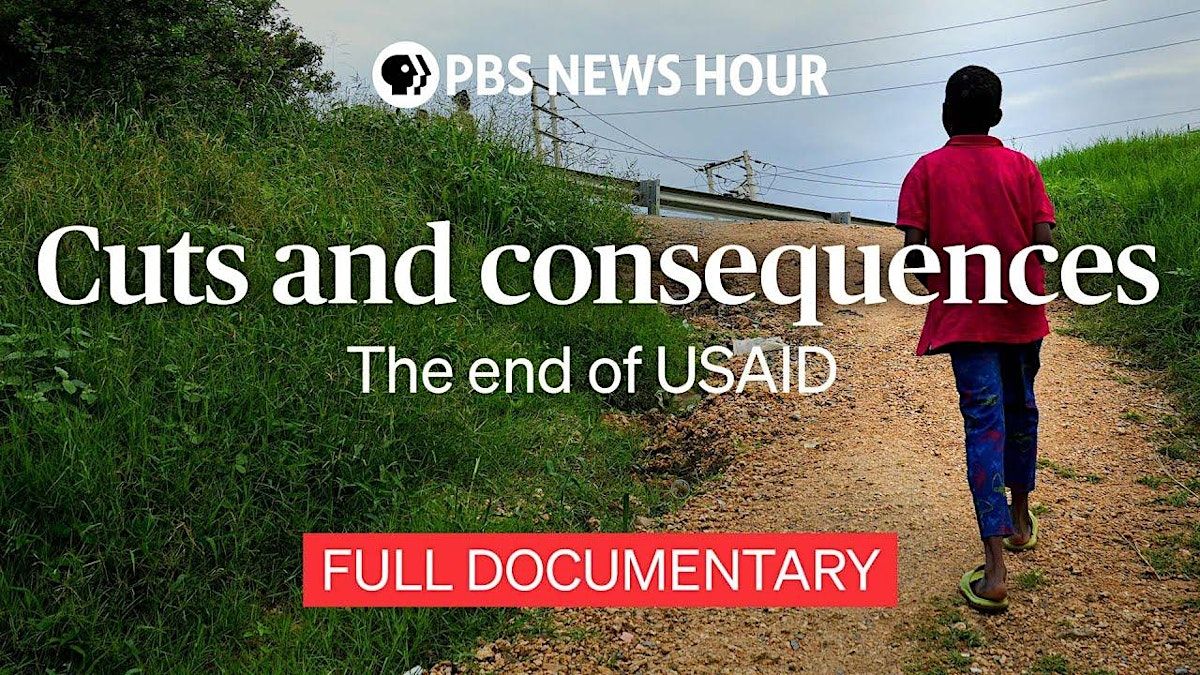
Cuts and Consequences: The End of USAID
Days after the Trump Administration took power, it began a sweeping cull of government, with little apparent attention paid to the consequences of an immediate suspension of aid. Over several months, News Hour correspondent William Brangham and producer Molly Knight-Raskin reported and planned a series titled "Cuts and Consequences." The News Hour returned to Ghana, to its Northern reaches, where Brangham and Knight-Raskin found health clinics short of life-saving drugs and supplies to combat malaria, maternal and infant death. In Kenya, News Hour's reporting exposed the rapid unraveling of HIV services once sustained by PEPFAR, the President's Emergency Plan for AIDS Relief. From Nairobi to Mombasa, the News Hour team documented overwhelmed clinics, treatment interruptions, and preventable deaths. In Isiolo, they reported on the end of a critical USAID-funded water project. In a community already strained by severe drought, its collapse intensified fears of death and disease and a resurgence of violence.
Through on-the-ground reporting, firsthand testimonies and whistleblower accounts, this reporting exposed the humanitarian consequences of the foreign aid freeze on some of the world's most vulnerable people.
Where is it happening?
Science Hall, 550 North Park Street, Madison, United StatesUSD 0.00