SPWLA Permian Basin Chapter April Luncheon

About this Event
Abstract: This work presents a case history-based approach to assess and predict well performance (production rates and pressures) and estimate reservoir properties using rate transient analysis (RTA), pressure transient analysis (PTA), decline curve analysis (DCA), and fracture and reservoir modelling using data cases from the Wolfcamp A and B platforms in the Midland Basin (TX, USA). The motivation for this work was to establish whether or not there are limitations imposed by geomechanical aspects of these types of cases with regard to (pressure) drawdown management — i.e., is well or reservoir performance limited by the drawdown imposed on the system? Our results, which should be considered preliminary, indicate that there are no significant limitations imposed by geomechanical aspects for these specific cases. The overall goal of this work is to create a reservoir model-based approach to assess the effect of different drawdown/choke management strategies on production forecasts and recovery. To achieve this goal we integrate multiple sources and scales of data in using the following tasks: • Assembly of reservoir, production, and PVT data. • PTA, RTA, and DCA methods to analyze/interpret the rate and pressure data. • Fracture modeling scenarios to assess interwell communication. • Numerical simulation to assess influence/impact of imposed drawdown on well/reservoir performance. The specific inventory of well cases for this study include: • Decline curve analyses (DCA): 15 wells • Rate transient analyses (RTA): 14 wells • Pressure transient analysis (PTA): 7 wells • Fracture modeling cases: 3 wells • Numerical simulation cases: 6 wells We note that the data for this study are "better than average," but we must also recognize that this is a study based on available data — these cases were not part of a specific "field demonstration" project but are simply a sampling of wells located in a given area selected based on data availability and the character of the well performance. For the field cases studied this work, the following conclusions/observations are noted: • General: No geomechanical effects were observed in the well performance behavior. • DCA: All decline curve behaviors were matched using the "modified-hyperbolic" DCA relation. • RTA: All production histories were matched using a hydraulic fracture-dominated reservoir model. • PTA: All pressure buildup data were matched using a hydraulic fracture-dominated reservoir model. • Simulation: Aggressive drawdown strategies should yield optimal recovery with no geomechanical effects. As a recommendation, operators should attempt to establish and maintain a minimum flowing bottomhole pressure as soon as practical for wells in the Midland Basin Wolfcamp A and Wolfcamp B reservoirs. The novelty of this work is that it is a case history-based approach — and the wells selected for this study should be considered representative of cases from the Midland Basin (TX, USA). We believe that the strength of this work is the use of field data to assess the influence of drawdown management and well interference; as opposed to simply performing a parametric/mechanistic simulation study. As a final comment, this work should be applicable to other liquids-rich plays similar to the Wolfcamp A and B benches in the Midland Basin.
Speaker Biography:
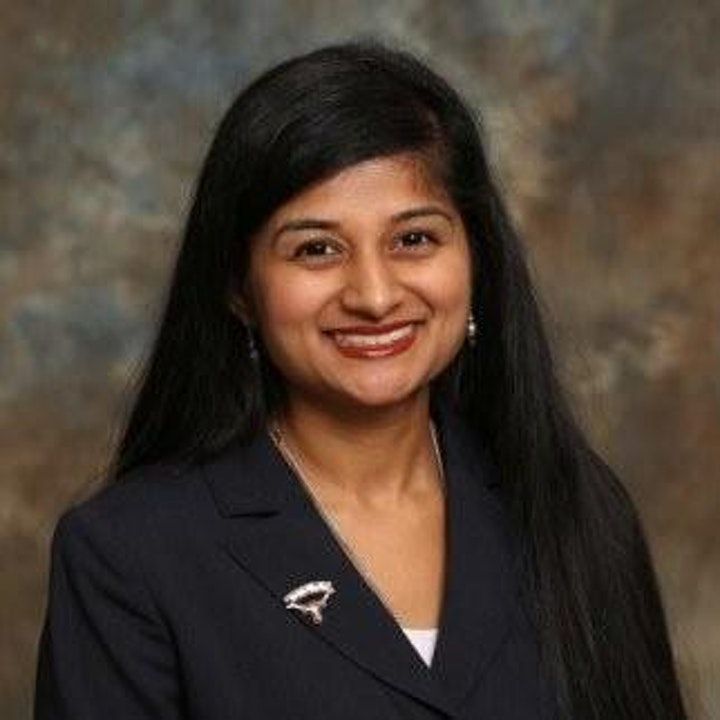
Yogashri Pradhan is a senior reservoir engineer for Endeavor Energy Resources. At Endeavor, she is involved with field development planning for unconventionals in the Midland Basin. She is the recipient of the Regional Reservoir Engineering Dynamics and Description and the Regional Service Awards in 2020. She's also the recipient of Houston Engineers Week Young Engineer of the Year representing SPE-Gulf Coast Section for 2018 and the International Young Member Outstanding Service Award from SPE in 2018. Yogashri graduated from the University of Texas with a Bachelor's in Petroleum Engineering in 2015 and received her Masters in Petroleum Engineering at Texas A&M University in 2020. She is a registered Professional Engineer in the state of Texas.
Where is it happening?
Event Location & Nearby Stays:
USD 25.00 to USD 35.00
