September Avon Gorge (Bristol) Wild Food Foraging/ Forager Walk.

About this Event
Small group.
Affordable price.
Convenient duration.
Easily reachable.
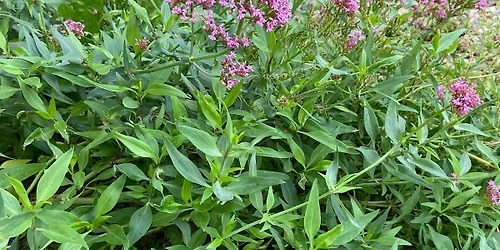
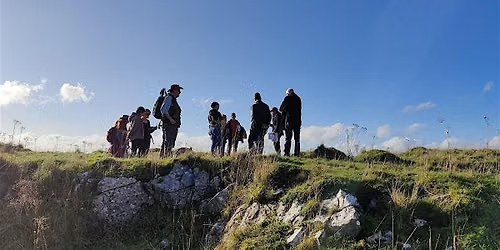
**Join a guided foraging walk through Bristol’s Clifton Downs and the dramatic Avon Gorge**, discovering the wealth of wild edible plants, trees and fungi that thrive in this unique limestone landscape. Led by local expert Heath Bunting — a long-established wild-food forager, organic grower and artist who has run these walks for more than twenty years — the sessions explore one of the UK’s most botanically rich urban-edge sites.
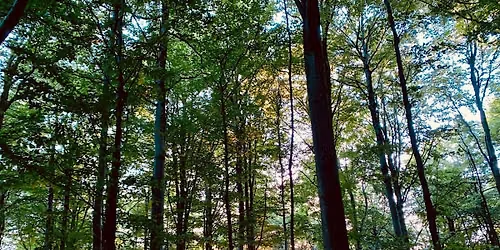
The Avon Gorge, a steep Carboniferous limestone valley carved by the River Avon, is protected as a Site of Special Scientific Interest and Special Area of Conservation. Its warm microclimate, south- and west-facing slopes, cliffs, screes and ancient woodlands support a remarkable flora that includes nationally rare and endemic species. On the open Downs and accessible woodland edges you will learn to identify common, abundant wild edibles while understanding why the rare plants of the gorge itself (Bristol rock-cress, endemic whitebeams, round-headed leek and others) must be left strictly alone.
Walks typically last around 90 minutes and cover a practical, hands-on curriculum that blends traditional knowledge with contemporary ecological awareness:
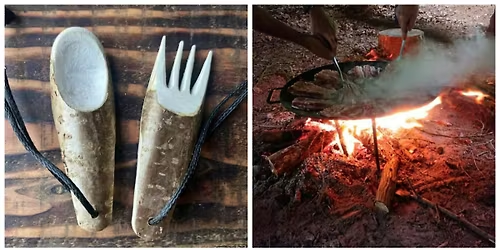
- **Bushcraft and survival skills** — firecraft, shelter principles and working with simple natural materials.
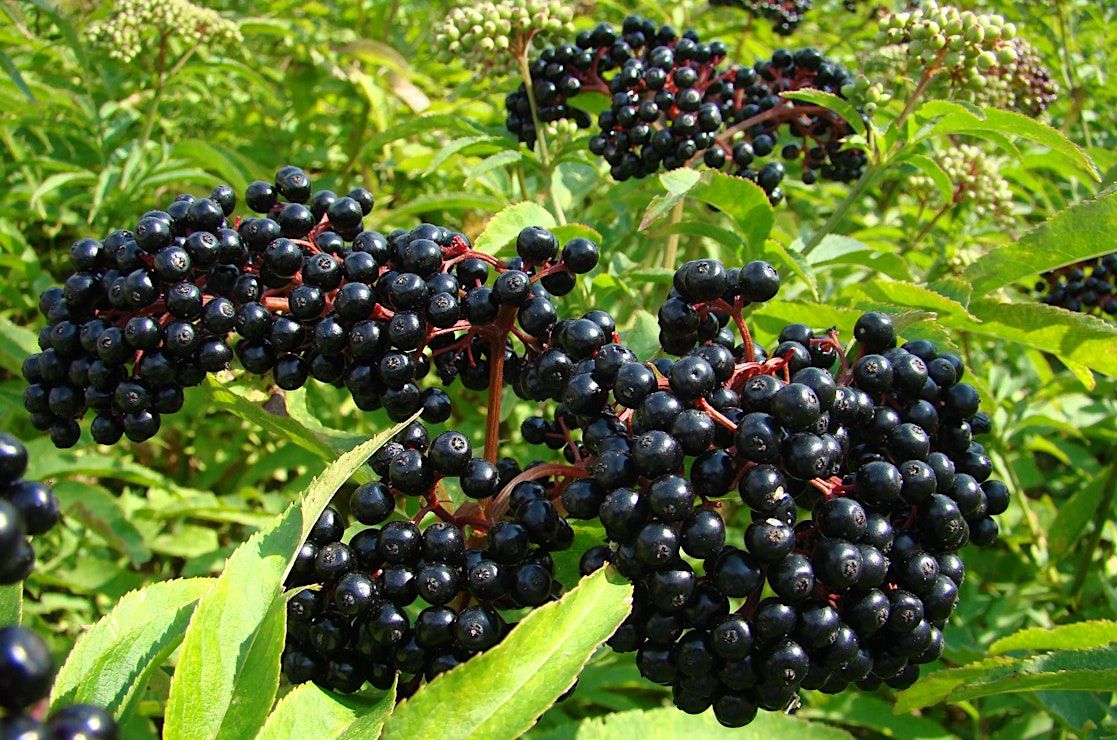
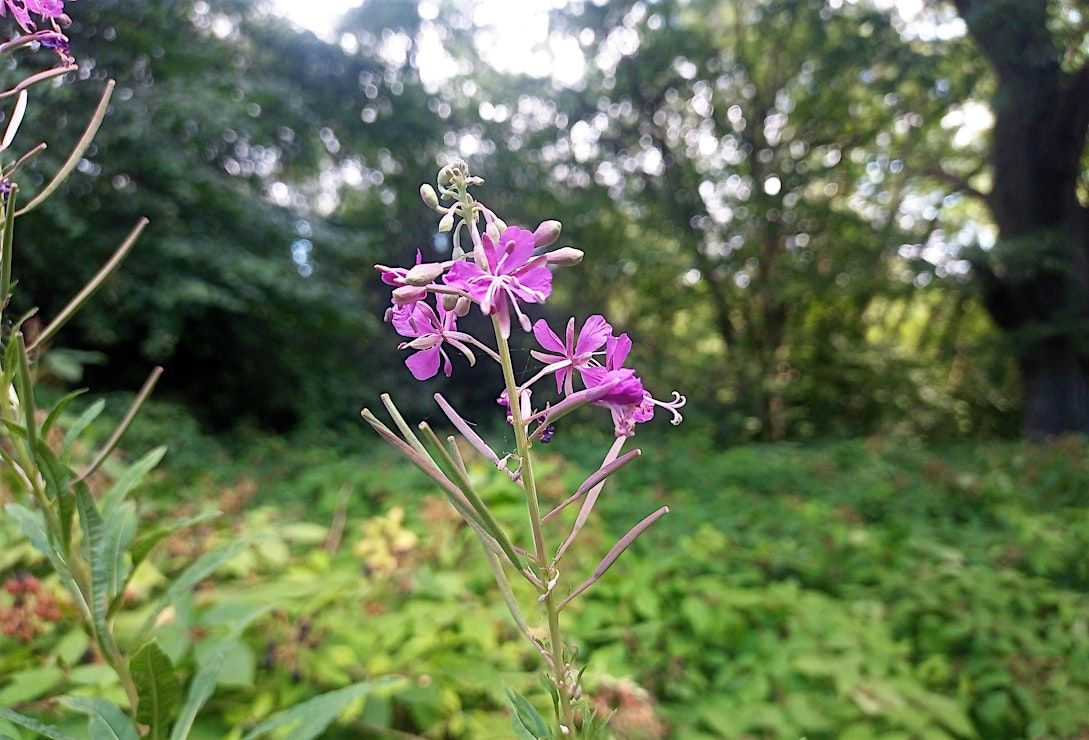
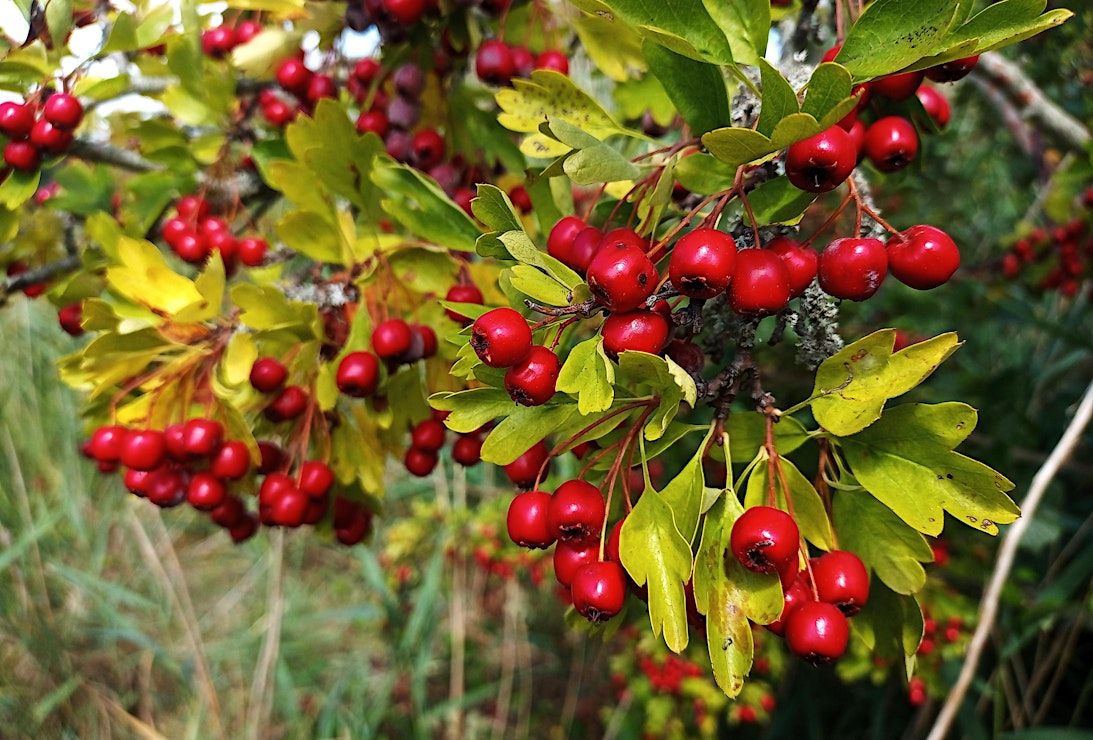
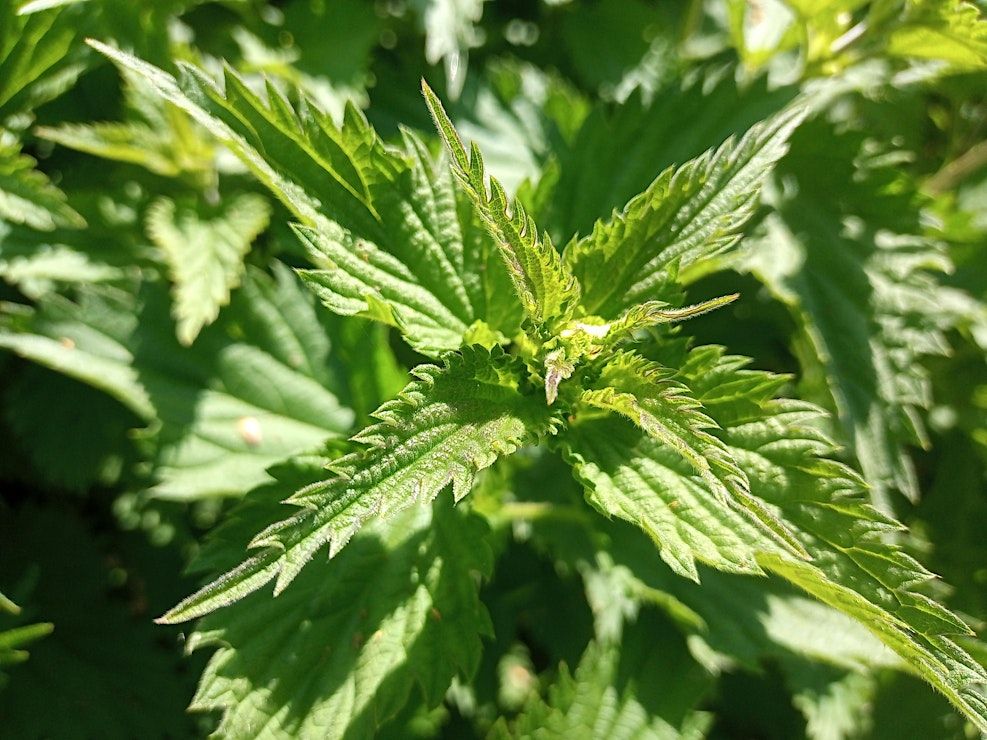
- **Medicinal plants** — traditional British uses of nettles, elder, yarrow, hawthorn, meadowsweet and other common species.
- **Wild soaps** — saponin-rich plants such as soapwort and how they have been used for gentle cleaning.
- **Cultivation and sustainable picking methods** — the “leave plenty” rules, the one-in-twenty principle, non-destructive harvesting techniques and the difference between personal foraging and commercial collection.
- **Indigenous habitats and landscape history** — how Iron Age, medieval and later grazing shaped the open Downs and how the gorge itself was formed by ice-age diversion and fluvial incision.
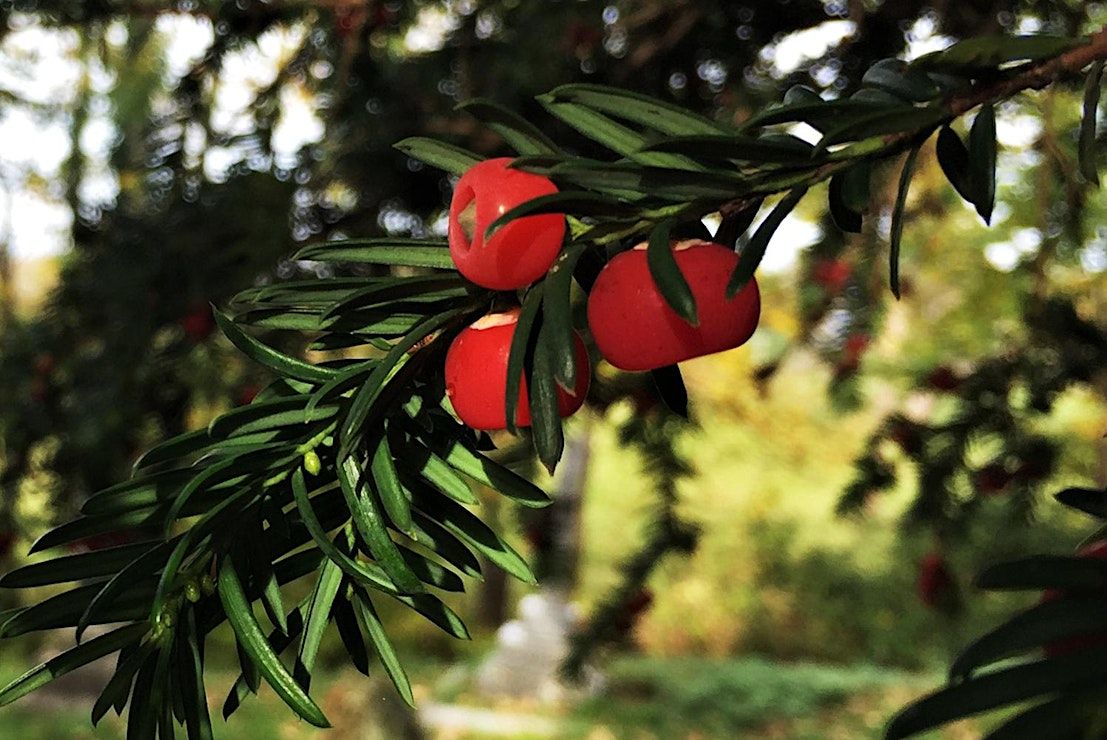
- **Poisonous plants** — clear identification of dangerous look-alikes including hemlock water-dropwort, deadly nightshade, foxglove and others so you stay safe.
- **Food processing and preservation** — drying, freezing, fermenting and other ways to extend the life of seasonal wild harvests.
- **Climate-change adaptation and rewilding** — how local ecosystems are responding and what process-led restoration looks like in practice.
- **Seed collection, sowing and cuttings** — legal, ethical ways to gather and grow common native species for gardens or small-scale habitat enhancement.
Groups are kept small (ideally around eight people). Children are usually welcome free of charge, dogs are allowed, and moderate fitness plus weather-appropriate clothing are all that is required. The emphasis is always on responsible, non-commercial personal use of common species, strict respect for the SSSI and SAC designations of the gorge, and the long-term health of both plants and wildlife.
These walks sit at the intersection of practical skill-sharing, ecological literacy and Heath Bunting’s wider practice of engaging critically and playfully with the systems — ecological, legal and social — that shape everyday life in the city.
Duration 1 hour 30 mins.
Kids (15 or under) go free.
Wear seasonal clothing (an all weather event).
Dogs welcome.
Moderate fitness required.
Contact 07935 986 421 if lost or delayed.
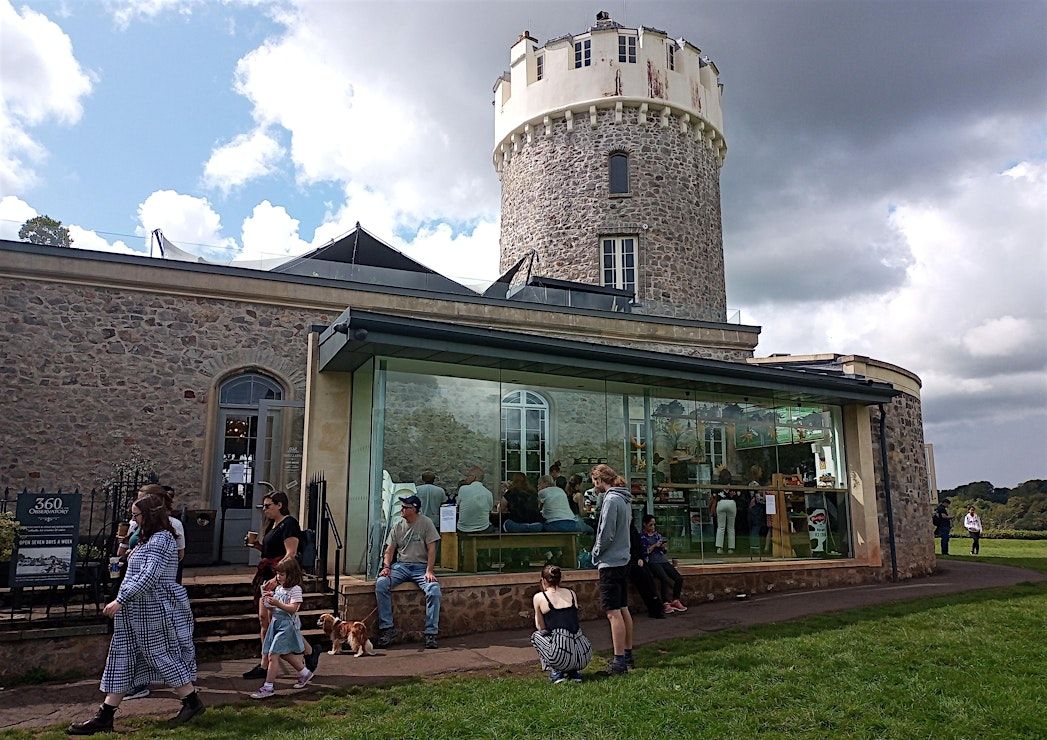
Meet outside Clifton Observatory Cafe, Clifton, Bristol.
Email [email protected] for group bookings.
Website: https://foraging-bristol.co.uk/
Where is it happening?
Event Location & Nearby Stays:
GBP 16.96