Profs & Pints Denver: Pets and Their People
Schedule
Wed Feb 25 2026 at 06:00 pm to 07:00 pm
UTC-07:00Location
Woodie Fisher Kitchen & Bar, Chestnut Place, Denver, CO, USA | Denver, CO
Profs and Pints Denver presents: “Pets and Their People,” a historical look at how certain animals rose to be esteemed members of our households, with Ingrid Tague, professor of history at the University of Denver, scholar of human-animal relations, and author of Animal Companions: Pets and Social Change in Eighteenth-Century Britain.
[Doors open at 5 pm and the talk begins at 6:30.]
Today pets are so ubiquitous in America that it's easy to take them for granted. Pet hotels and animal aromatherapy are just a few of the products offered by a multibillion-dollar industry devoted to providing pets with food and entertainment.
It wasn’t always the case, though. For most of human history, keeping an animal that wasn’t either working or a source of food would have been regarded as a bizarre waste of resources or even downright sinful.
Where did our obsession with pets come from?
Come to Denver’s Woodie Fisher Kitchen & Bar to learn the fascinating story of how human attitudes toward pets changed over time and how certain animals came to hold such an important place in our lives.
The historian taking you on this scholarly journey, Ingrid Tague, has extensively studied the rise of pet-keeping as a widespread phenomenon, exploring how past discussions of pets have reflected broader cultural debates over gender, race, class, and consumerism.
Dr. Tague will start by looking at the spread of pet-keeping in eighteenth-century Britain, the first country where it became commonplace. She’ll talk about the changes in economics, empire, and living conditions that made pet-keeping possible on a large scale possible as Britain became the wealthiest and most powerful nation on earth.
You’ll also learn how the cultural and intellectual changes of the Enlightenment inspired people to think about the relationship between humans and the natural world in ways that left them wanting to keep pets. By the nineteenth century, dogs and cats were seen as almost essential to every middle-class family, and kindness to animals became perceived as an essential human virtue. This new attitude helped spawn the humane movement and new laws and regulations governing how animals were to be treated.
At the same time, the rise of pet-keeping led people to see those animals assigned “pet” status as more important than others, with implications for today’s discussions of which animals are worthy of what protections.
Loving our pets might seem simple and obvious, but these relationships raise some complicated questions related to our understanding of our animals and ourselves. Among them: Why do we think that love of animals is a good indicator of moral character? If pet keeping is good for us, is it also good for our pets? (Advance tickets $13.50 plus processing fees. Doors: $17, or $15 with student ID.)
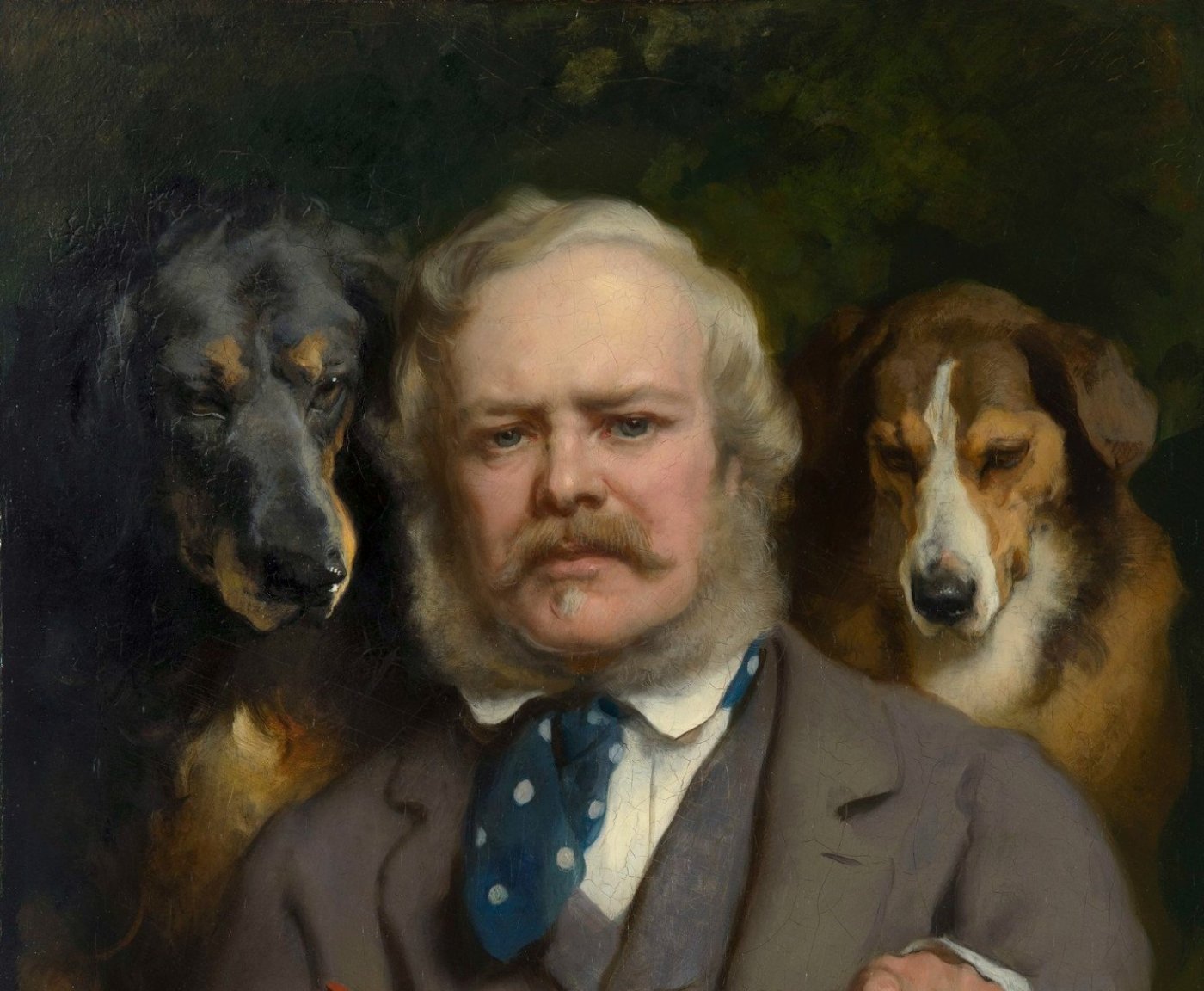
Image: From “The Connoisseurs: Portrait of the Artist with Two Dogs,” an 1865 painting by Edwin Landseer (Royal Collection / Wikimedia Commons.)
Where is it happening?
Woodie Fisher Kitchen & Bar, Chestnut Place, Denver, CO, USA, United StatesEvent Location & Nearby Stays: