Pesso Boyden Workshop in London Bridge - Group experiential learning days
Schedule
Sun May 17 2026 at 09:00 am to 04:00 pm
UTC+01:00Location
The Practice Rooms - Islington | London, EN

About this Event
These workshops combine teaching, demonstration and experiential learning to deepen understanding of
Pesso Boyden System Psychomotor (PBSP) and its application in therapeutic practice. Each day includes a short theoretical introduction, discussion, and opportunities to observe or take part in.
PBSP work within a supportive group setting. Up to three personal issues may be explored each day through PBSP sessions, known as structures.
The aim is for participants to develop a felt understanding of PBSP principles and consider how these ideas may inform their therapeutic work. Some personal work will be encouraged but is optional.
Topics may include:
● The role of memory, unmet developmental needs and symbolic repair
● The structure and process of PBSP sessions
● Ideal figures and creating new emotional experiences
● Witnessing and group support in PBSP work
● Body awareness and emotional regulation
Who these workshops are for Psychotherapists, counsellors, trainees and helping professionals interested in body-oriented or experiential psychotherapy approaches.
No prior PBSP experience is required. Places may also be available to non-therapists with personal therapy experience.
Maximum 10 participants
6 hours CPD per workshop day - Each workshop runs 10:00 am – 4.00 pm
Where King’s Cross Practice Rooms
What is Pesso Boyden System Psychomotor? (PBSP)
PBSP is a unique way of realising our potential to live a more fulfilling and satisfying life. It was discovered and developed by Albert Pesso and Diane Boyden from the 1960s and is now flourishing in the USA , UK, Holland, Germany, Spain, and the Czech Republic.
It works gently and imaginatively with difficulties we have in our present and have roots in our past. Often these difficulties lead us to respond to the world
as survivors, either because in our early years our development needs were not met sufficiently or, because we experienced trauma i.e. too much came in that was beyond our control or, when our care-givers had difficulties themselves we tried to solve them – or something of all three. The Pesso system has innovative ways of identifying and transforming these obstacles to our self-fulfillment. To hear a breif description, visit this link.
The Pesso group and how it works.
The aim of the group is to create the circumstances in which a person having a ‘structure’ can have a positive, healing experience through creating new memories with the help of Ideal figures.
All group members undertake to stay until the end of each day unless otherwise agreed.
The therapist works with an individual in a therapeutic process called a structure, lasting about an hour. Together they externalise how the person maps their experience of the world through tracking their feelings and thoughts clarifying how their history creates this map. This is done with the help of objects, figures in the air, and other members of the group. While doing this, they create new personal memories, a new map, a re structure. If we can experience these new memories in our bodies and imaginations and put them back into moments in our history when we most needed them we can have a better basis for living a satisfying, pleasurable, meaningful and connected life.
The role of participant observer group members.
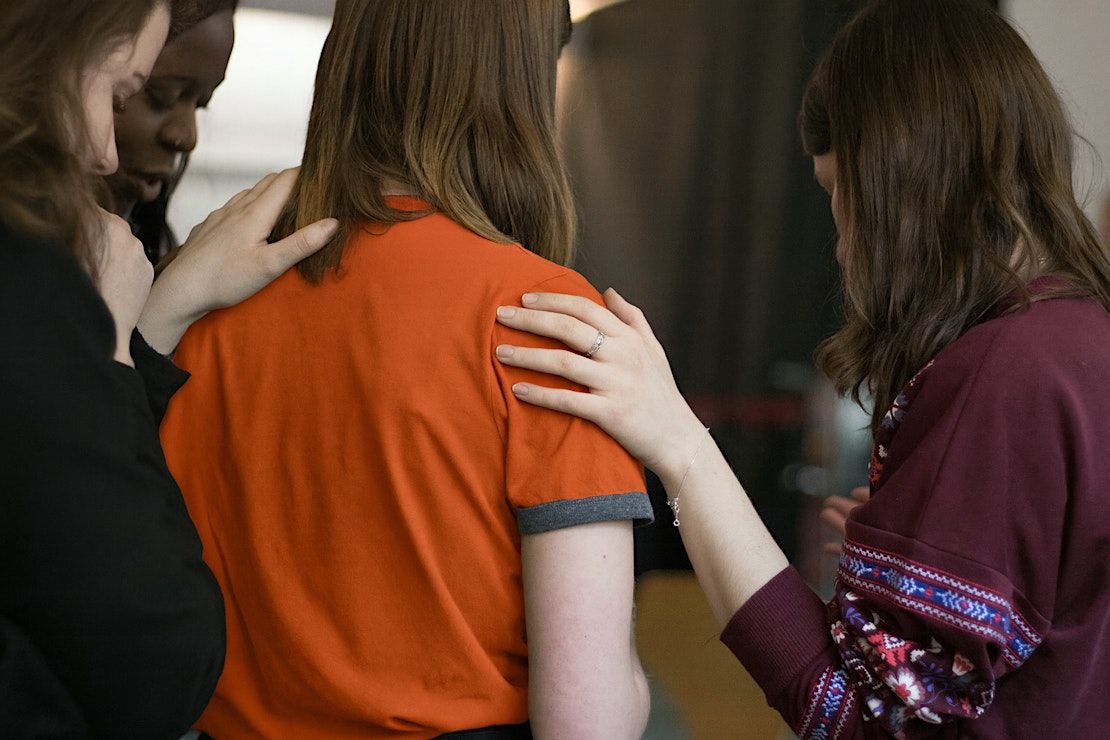
First of all, they witness the structures like a theatre audience might. Then someone may be invited to take a more participatory role as an Ideal figure. No initiative, improvisation or acting is required. Their position, movement and words are given them by the client and therapist. They are there to accommodate the needs of the structure person and to contribute to a vivid and believable experience. This can be also powerful for the accommodator.
After each structure group members have opportunities to share what is happening for them as they witnessed/participated in this experience.
Bessel Van Der Kolk worked with Al Pesso and did some training as a PBSP therapist. About structures ( in his book “The Body Keeps the Score”, chapter 18 p.307), he says, “ Structures harness the extraordinary power of the
imagination to transform the inner narrative that drive and confine our functioning in the world.”
FACILITATOR THERAPISTS
Sasha Maye is a member of the UKCP and has trained in Contemporary Psychotherapy, which was developed by Pamela Gawler-Wright of the BeeLeaf Institute in London. This training integrates approaches from a variety of therapies, including understanding from psychodynamic, Gestalt, existential, systemic NLP and advances in neuroscience. In addition to this training, Sasha has a background in coaching and leadership in digital organisations, and is a mental health first aider. Sasha facilitates Ecstatic Dance Folkestone and is a sound practitioner. Sasha is trained as a Pesso Boyden Therapist and has been part of the Pesso community in the UK since 2017 when she was introduced to the method in a London group.
Contact for more information if you are not sure about booking
Quotes from previous workshops:
"It might just transform you from historical trauma"
"I got so much out of the workshop it’s hard to put it into word. I’m still very much digesting the experience but it has given me faith in humanity and the power to heal. The sense of community support was deeply nourishing and the boundaries put in place made it feel like a really safe space to let go."
"Have already recommended it to a couple of people who are doing talk therapy on family issues that aren't shifting. A great, safe way to do more embodied, communal practice that I think is really powerful."
"It's an opportunity to be real in a safe place with the good will of ordinary people"
Where is it happening?
The Practice Rooms - Islington, 150 Caledonian Road, London, United KingdomEvent Location & Nearby Stays:
GBP 120.00