Decode the Brain: Hands-On fMRI Analysis with Python
Schedule
Sat, 16 May, 2026 at 03:00 pm to Sun, 17 May, 2026 at 06:00 pm
Location
Genspace | Brooklyn, NY

About this Event
Ever wondered what a thinking brain actually looks like and how scientists make sense of it?
Two-Session Workshop
Saturday, May 16, 2026, 3-6pm
Sunday, May 17, 2026, 3-6pm
Functional MRI (fMRI) is one of the only tools that lets us image a live, thinking brain non-invasively in real time. It sits at the crossroads of neuroscience, psychology, and machine learning, and in this multi-day workshop, you'll learn how to use it.
fMRI sits at a rare intersection: it's scientifically rigorous, technically rich, and increasingly relevant to AI and cognitive computing. This workshop will also take a critical look at where the technology is headed and how the skills and insights gained from analyzing fMRI data can lead to real-world applications.
We’ll start by going over some neuroscience fundamentals and discussing how they apply to brain networks. You’ll use Python, a powerful general-purpose open-source programming language. You’ll get an introduction to working with powerful Python packages, including Nilearn, Nibabel, and Scikit-Learn. You’ll pull brain data from servers, and analyze and visualize the brain networks in these open-source data on your own laptop!
This workshop will cover basic Python commands before jumping into specific neuroimaging packages. Participants should have prior Python experience or complete the Intro to Python course on DataCamp before the workshop.
What you'll learn
- The neuroscience fundamentals behind fMRI and brain networks
- How fMRI is used as a brain mapping technique and its limitations
- The connection between neurally inspired machine learning and brain function
- How to pull, process, and visualize open-source brain data
- Real-world applications of neuroimaging analysis skills
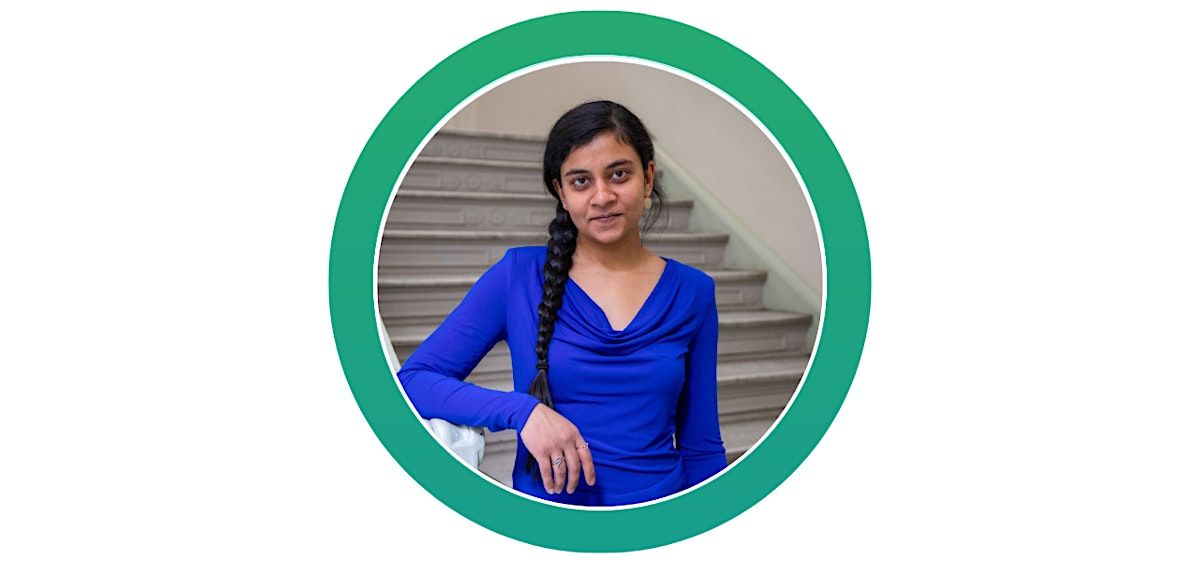
Meet the Instructor
Vassiki Chauhan (she/her) is currently a postdoctoral fellow in the Barnard Vision Lab, where she studies the human brain’s specialization for processing text. She studied face perception during her PhD, and wrote her thesis on how movies can be used as stimuli for localizing the distributed network for face recognition. Throughout her neuroscientific training, she has mainly used fMRI, psychophysics, eyetracking and MEG for studying the brain and behavior. She loves studying the brain because it is a remarkably adaptive and resilient organ, and because cognitive neuroscience offers a path to answer age-old philosophical questions about language, reasoning, learning and consciousness.
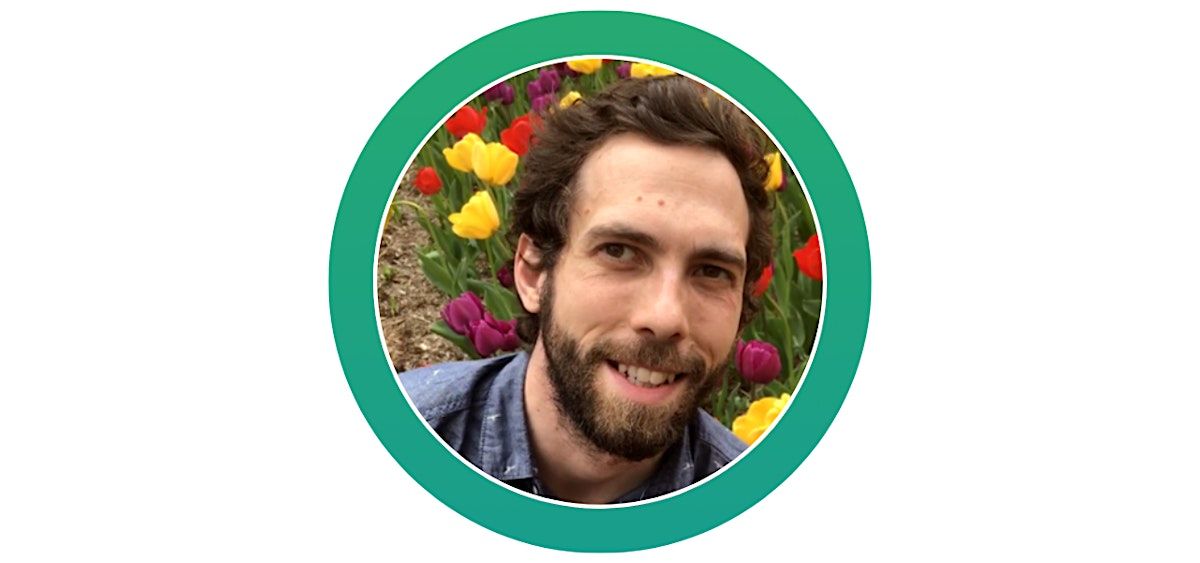
Meet the Instructor
Jozsef Meszaros (he/him) has a J.D. from the University of Pennsylvania Law School and a Ph.D. in Neuroscience from Columbia University. As a law student, Jozsef published independent research in which he explored how neurobiological evidence of physical and psychological abuse could be used to diminish the culpability of some criminal defendants. His Ph.D. thesis focused on measuring dopamine release into the external globus pallidus an area of the brain that is important for refining motor movements. Jozsef currently teaches Citizen Science at Bard College and enjoys developing interactive science curricula for students.
Where is it happening?
Genspace, 132 32nd Street, Brooklyn, United StatesEvent Location & Nearby Stays:
USD 113.89 to USD 161.90