Cinema Camerawork Workshop: Professional Film Camerawork

About this Event
Workshop Info
This will be a very hands-on workshop that will be a mix of demonstration, practical exercises, and useful camerawork theory. You will learn how to set up both a Sony FX6 cinema camera, as well as a Sony mirrorless camera. You will attach accessories you would normally find on a film set to make these cameras ready for shooting. You will also learn how to break down, prepare for, and shoot a simple, pre-scripted scene with all participants getting to perform the different camera department roles. If you’re looking to advance your camerawork knowledge this workshop will help you take a few big steps down that road.
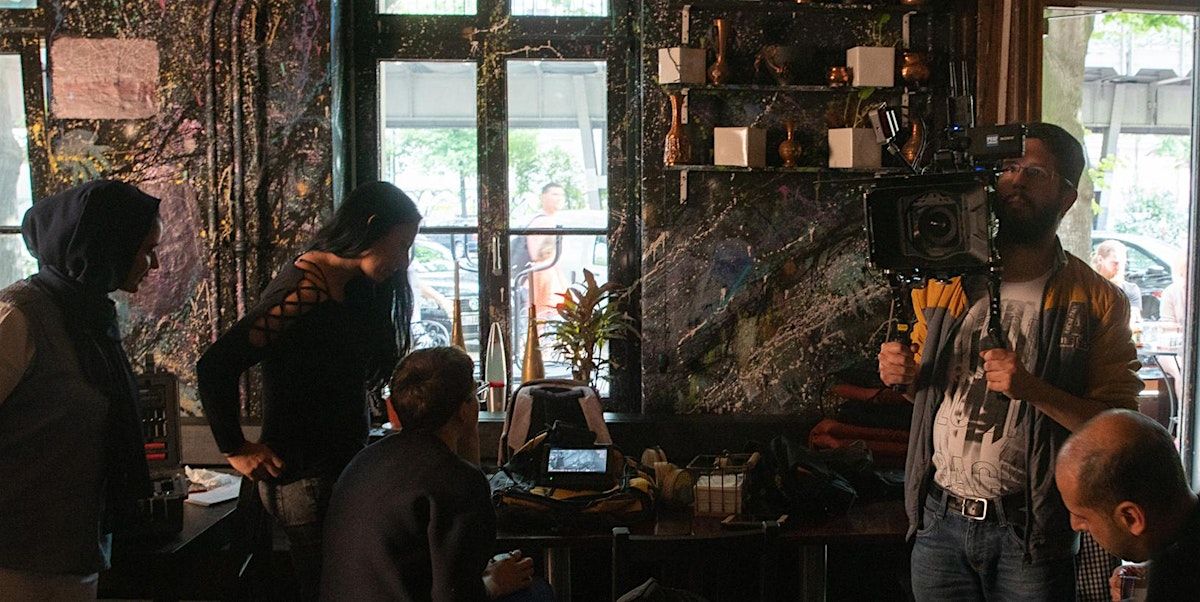
Camerawork in Practice
Everyone in the class will get the opportunity to set up both cameras, use all the accessories, such as the follow focus, and shoot part of the scene. As we do this, we will rotate through the different roles, with everyone working diligently, as it would be on a film set. We will put our plan into action and tell our story as well as possible.
Camerawork Theory
While this is a very hands-on workshop, I feel that learning camerawork techniques and theory is also extremely important. The camera and accessories are tools which you learn so that you can get better at the creative aspects of filmmaking. In the theory section we will go over framing and composition, how to move the camera, and how to tell a story visually.
I will also show you the basics of how to break down a scene. We will look at the tools which help different departments collaborate effectively and also help a set run efficiently. Shot lists, storyboards, and the production schedule are some of the tools that can break a script down into the individual shots that best tell our story and let everyone know what needs to be done and when. We will create our own shot list and schedule and plan our own shoot based on the already written script. We will then shoot that script as a lean, mean, filmmaking team.
What You Will Learn
- How to setup and operate a cinema camera
- How to remote focus a manual lens
- Theory behind which lenses to use and how to frame
- How camerawork functions on a set as we shoot a scene
Schedule
Day 1:
Saturday, July 18th – 09:00 – 16:00
- Brief overview of Exposure triangle and shutter speed for film
- Aperture, shutter speed, ISO
- Exposing for film – Don’t use your histogram
- High speed shutter
- Pushing shutter speed for effect or to gain light
- Exposure tools
- False color, Waveform, Histogram, Zebras
- Protecting your highlights
- Exposing your subject correctly – skin tones
- Light meters & lighting ratios with demonstration
- Maintaining consistency between shots
- Codecs and bit depth
- Raw, Log, compressed codecs
- Picture profiles and LUT’s
- Bit depth briefly explained
- Dynamic range explained
- Camerawork theory
- Different shot sizes and what they mean
- Camera Level – low, high, eye level and their impact
- Camera motion – pan, tilt, dolly when to use them
- 180 degree rule and eye lines
- Breaking down a scene
- Building up a cinema camera package for a shoot
- Build up the Sony a7RII and Sony FX6 – cinema lenses, follow focus, focus monitor, and video village monitor.
- Learn the what, how, and why behind all the different parts
- Camera settings overview for both cameras.
- Q&A & Review
Day 2:
Sunday, July 19th – 09:00 – 16:00
- Test of knowledge from Day 1 & Q&A
- Scene break down
- Breaking down the scene we will be shooting
- Shot list, storyboard analysis, lighting diagrams
- Determining which shots to group together & why
- Estimating time for each shot set up
- Setting up the camera in a group
- Two teams will work together to set up each camera to be ready to shoot.
- We will create a shooting schedule and shot list, determining how much of the script we think is possible in 2.5 hours.
- Shooting the scene
- Shoot the scripted scene using the schedule and shot list.
- Camera operator, 1st assistant camera (focus puller), 2nd assistant camera, assistant director. We will rotate so everyone gets a chance to perform each role.
- Review of the raw footage
- Evaluate the footage together
Workshop Mentor
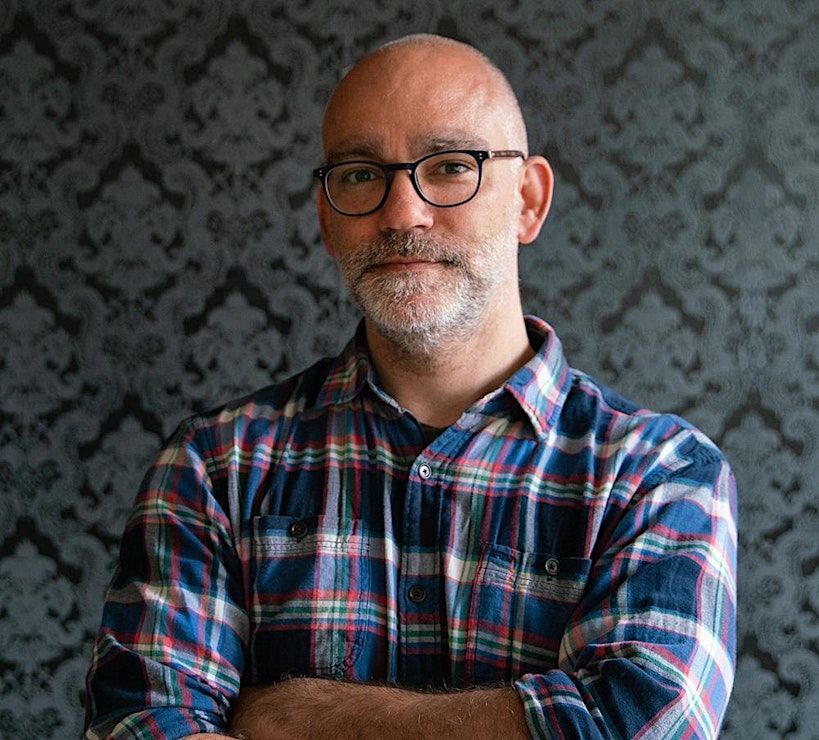
Alex DePew is a cinematographer and gaffer with 17+ years of industry experience, passionate about teaching and connecting filmmakers. Having worked globally on shorts, music videos, and commercials, Alex guides you through lighting craft with clarity and enthusiasm, making complex concepts accessible to all.
Membership
Berlin Film Community members pay €269 - save €30 on this course.
Membership costs €30/year and includes 10% off all workshops plus member-only events.
When you purchase this workshop your first year membership is included in the price.
To find out more info about the Berlin Film Community visit our website.
https://berlinfilmcommunity.com/
Where is it happening?
Event Location & Nearby Stays:
EUR 319.75