Building High-Performing Teams 1-Day Workshop

About this Event
Event Description
High-performing teams do not happen by chance. They are built through clear goals, effective leadership, trust, accountability, strong communication, collaboration, and a shared commitment to results.
This practical Building High-Performing Teams Workshop is designed to help managers, supervisors, team leaders, and professionals understand what separates an ordinary working group from a team that consistently performs at a high level.
Participants will explore the characteristics of successful teams, stages of team development, individual strengths, team roles, leadership styles, communication, psychological safety, motivation, accountability, collaboration, and conflict management.
The workshop also examines common reasons teams underperform and provides practical techniques for diagnosing performance challenges and creating the conditions in which team members can contribute at their best.
Through practical exercises, team scenarios, discussions, case studies, and action planning, participants will develop strategies they can apply directly to their own teams.
The goal is to help leaders create teams that are aligned around clear objectives, communicate openly, take ownership, solve problems collaboratively, and consistently work toward shared business results.
What You Will Learn
- Understand what defines a high-performing team.
- Recognize the difference between a working group and an effective team.
- Identify the key characteristics of successful teams.
- Understand different team structures and working styles.
- Recognize individual strengths and contributions within a team.
- Understand the stages of team development.
- Adapt leadership approaches to different stages of team maturity.
- Establish clear team purpose, goals, and expectations.
- Create greater role clarity and accountability.
- Build trust and psychological safety.
- Improve communication within the team.
- Encourage collaboration and knowledge sharing.
- Motivate team members with different needs and working styles.
- Give constructive feedback that supports performance.
- Manage disagreements and team conflict effectively.
- Recognize common causes of team underperformance.
- Measure team performance using meaningful indicators.
- Conduct more productive team meetings.
- Strengthen working relationships.
- Create a practical action plan for improving team performance.
Workshop Modules
Module 1: Understanding High-Performing Teams
- What makes a team different from a working group.
- Characteristics of high-performing teams.
- Understanding shared purpose and direction.
- The relationship between teamwork and business performance.
- Identifying behaviors that strengthen team effectiveness.
- Recognizing signs of an underperforming team.
- Understanding the leader's influence on team performance.
- Assessing the current effectiveness of your team.
Module 2: Team Purpose, Goals and Alignment
- Creating a clear team purpose.
- Connecting team goals with organizational objectives.
- Establishing meaningful performance expectations.
- Creating clarity around priorities.
- Turning objectives into actionable team goals.
- Ensuring team members understand their contribution.
- Aligning individual responsibilities with team outcomes.
- Maintaining focus when priorities change.
- Creating shared commitment to results.
Module 3: Understanding Team Roles and Strengths
- Recognizing different strengths within a team.
- Understanding individual working preferences.
- Identifying complementary skills.
- Creating clarity around roles and responsibilities.
- Avoiding unnecessary role overlap and confusion.
- Using individual strengths effectively.
- Encouraging diverse perspectives.
- Balancing individual contribution with team needs.
- Identifying capability and development gaps.
Module 4: Stages of Team Development
- Understanding how teams develop over time.
- Forming: establishing direction and relationships.
- Storming: managing differences and challenges.
- Norming: developing effective working practices.
- Performing: creating consistent high performance.
- Recognizing the current development stage of a team.
- Understanding how teams can move backward during change.
- Adapting leadership behavior to team maturity.
- Supporting teams through transition and development.
Module 5: Leadership for High Performance
- Understanding the leader's role in team success.
- Adapting leadership style to the situation.
- Providing direction without unnecessary control.
- Empowering team members appropriately.
- Delegating effectively.
- Creating ownership and responsibility.
- Supporting individual development.
- Coaching team members for improved performance.
- Balancing support with accountability.
- Leading by example.
Module 6: Building Trust and Psychological Safety
- Understanding why trust matters.
- Recognizing behaviors that build or damage trust.
- Creating consistency between words and actions.
- Encouraging honesty and openness.
- Creating an environment where people can contribute ideas.
- Making it safer to raise concerns and ask questions.
- Responding constructively to mistakes.
- Encouraging respectful challenge.
- Rebuilding trust when relationships have been damaged.
- Strengthening team confidence and connection.
Module 7: Communication and Collaboration
- Understanding communication within high-performing teams.
- Creating clear communication expectations.
- Improving active listening.
- Asking better questions.
- Sharing information effectively.
- Reducing misunderstandings and assumptions.
- Encouraging open dialogue.
- Improving collaboration across responsibilities.
- Managing communication across virtual and hybrid teams.
- Creating effective communication routines.
Module 8: Motivation, Engagement and Ownership
- Understanding what motivates different team members.
- Connecting individual work with meaningful outcomes.
- Encouraging employee involvement.
- Creating appropriate autonomy.
- Recognizing contribution and achievement.
- Providing meaningful feedback.
- Maintaining motivation during demanding periods.
- Encouraging initiative and problem solving.
- Creating ownership of team results.
- Addressing declining motivation constructively.
Module 9: Managing Team Conflict
- Understanding why conflict occurs within teams.
- Recognizing constructive and destructive conflict.
- Identifying common sources of disagreement.
- Understanding different conflict responses.
- Addressing issues before they escalate.
- Encouraging constructive disagreement.
- Separating people from problems.
- Facilitating difficult conversations.
- Finding common ground.
- Turning disagreement into collaborative problem solving.
- Restoring effective working relationships.
Module 10: Accountability and Performance Management
- Creating a culture of accountability.
- Setting clear performance expectations.
- Defining ownership and responsibilities.
- Following through on commitments.
- Monitoring progress without micromanaging.
- Giving timely and constructive feedback.
- Addressing performance gaps.
- Managing missed commitments.
- Encouraging peer accountability.
- Recognizing strong performance.
- Keeping the team focused on results.
Module 11: Measuring and Sustaining Team Performance
- Identifying meaningful team performance indicators.
- Measuring results as well as team behaviors.
- Reviewing progress against objectives.
- Using team feedback effectively.
- Identifying performance trends.
- Learning from successes and setbacks.
- Conducting effective team reviews.
- Encouraging continuous improvement.
- Maintaining performance during change.
- Building sustainable high-performance habits.
Module 12: Building Your High-Performance Team Action Plan
- Reviewing current team strengths.
- Identifying performance barriers.
- Identifying communication and relationship gaps.
- Reviewing team goals and priorities.
- Selecting immediate improvement opportunities.
- Establishing leadership actions.
- Defining team-development priorities.
- Creating accountability measures.
- Setting measurable improvement goals.
- Developing a 30-day team performance action plan.
- Establishing longer-term development priorities.
Who Should Attend?
This workshop is suitable for:
- Managers and supervisors.
- Team leaders.
- Department heads.
- Project managers.
- Operations managers.
- New and emerging managers.
- Senior professionals with team responsibilities.
- HR and people-management professionals.
- Business owners.
- Project and cross-functional team leaders.
- Leaders of virtual and hybrid teams.
- Professionals responsible for team performance.
- Anyone preparing to take responsibility for leading a team.
Workshop Benefits
Participants will gain practical strategies to:
- Build stronger and more effective teams.
- Establish clear team goals and expectations.
- Improve role clarity.
- Make better use of individual strengths.
- Adapt leadership approaches to team needs.
- Build trust and psychological safety.
- Strengthen communication within teams.
- Improve collaboration and knowledge sharing.
- Increase employee engagement and ownership.
- Motivate team members more effectively.
- Delegate with greater confidence.
- Improve accountability.
- Give more effective performance feedback.
- Manage team conflict constructively.
- Strengthen professional relationships.
- Identify and address team performance barriers.
- Improve team meetings and communication routines.
- Measure team performance more effectively.
- Encourage continuous improvement.
- Create a practical plan for building a high-performing team.
Event Description
Effective account management is about much more than maintaining customer contact. A successful Account Manager understands the client's business, builds trusted relationships, coordinates internal teams, protects the customer experience, identifies opportunities, and creates a clear plan for long-term account growth.
Account Managers often serve as the connection between customers and their organisation. They may be responsible for resolving issues, coordinating projects, reviewing performance, supporting renewals, identifying additional opportunities, and ensuring that commitments made to clients are delivered.
This practical Account Management Workshop is designed to help participants develop the skills needed to manage important customer relationships professionally and strategically.
Participants will learn how to assess account value, understand client priorities, build stakeholder relationships, manage expectations, conduct account reviews, identify risks, improve customer retention, uncover growth opportunities, and create effective Key Account Plans.
The workshop also explores the relationship between account management and sales, helping participants identify appropriate opportunities for upselling and cross-selling without compromising customer trust.
Through practical exercises, account-planning activities, customer scenarios, case studies, and action planning, participants will develop tools that can be applied directly to their current accounts.
What You Will Learn
- Understand the role and responsibilities of an Account Manager.
- Distinguish account management from traditional sales activity.
- Build stronger and more trusted client relationships.
- Understand client objectives, challenges, and priorities.
- Identify key stakeholders within customer organisations.
- Develop effective communication strategies for different stakeholders.
- Manage customer expectations professionally.
- Strengthen customer experience and retention.
- Identify account risks before they become major problems.
- Analyse account value and growth potential.
- Use account-management KPIs and performance measures.
- Conduct effective account reviews.
- Identify upselling and cross-selling opportunities.
- Create mutually beneficial account-growth strategies.
- Develop strategic Key Account Plans.
- Coordinate effectively with internal teams.
- Handle customer complaints and difficult situations.
- Strengthen customer loyalty.
- Monitor account performance against objectives.
- Create practical action plans for account growth and retention.
Workshop Modules
Module 1: Understanding Modern Account Management
- What account management means.
- The difference between account management and sales.
- The changing role of the Account Manager.
- Account Manager as relationship builder and business partner.
- Understanding customer expectations.
- Balancing customer needs with organisational objectives.
- Responsibilities of an Account Manager.
- Common account-management challenges.
- Identifying personal strengths and development areas.
Module 2: Building Strong Client Relationships
- Understanding the foundations of customer relationships.
- Building trust and credibility.
- Developing professional rapport.
- Understanding client communication preferences.
- Creating consistent customer contact.
- Demonstrating reliability and professionalism.
- Building relationships beyond a single point of contact.
- Developing long-term customer connections.
- Turning customer interactions into relationship-building opportunities.
Module 3: Understanding the Client's Business
- Looking beyond the immediate customer request.
- Understanding the client's business model.
- Identifying customer goals and priorities.
- Understanding industry and market pressures.
- Identifying client challenges and opportunities.
- Understanding how your organisation contributes to client success.
- Asking effective business-focused questions.
- Identifying changes that may affect the account.
- Becoming a more commercially aware Account Manager.
Module 4: Stakeholder Management and Internal Collaboration
- Identifying key client stakeholders.
- Mapping stakeholder influence and interest.
- Understanding different stakeholder expectations.
- Building relationships at multiple levels.
- Managing different communication styles.
- Creating internal stakeholder support.
- Working effectively with sales, operations, finance, service, and delivery teams.
- Communicating customer requirements internally.
- Managing internal dependencies.
- Ensuring customer commitments are delivered.
Module 5: Account Portfolio Analysis
- Understanding account value.
- Categorising accounts according to strategic importance.
- Assessing revenue and profitability potential.
- Reviewing customer growth opportunities.
- Identifying account risks.
- Evaluating relationship strength.
- Assessing customer potential.
- Prioritising time and resources.
- Identifying strategic, growth, maintenance, and at-risk accounts.
- Creating an account-priority framework.
Module 6: Customer Experience, Retention and Loyalty
- Understanding the customer experience.
- Identifying factors that influence customer retention.
- Recognising signs of customer dissatisfaction.
- Managing customer expectations.
- Delivering consistent service.
- Creating value beyond the basic transaction.
- Maintaining regular customer communication.
- Conducting customer health checks.
- Strengthening customer loyalty.
- Identifying early warning signs of account risk.
- Developing practical retention strategies.
Module 7: Account Reviews and Customer Communication
- Preparing for an effective account review.
- Setting clear objectives for client meetings.
- Reviewing performance and achievements.
- Discussing challenges and opportunities.
- Presenting relevant account information.
- Asking meaningful business questions.
- Demonstrating value delivered.
- Agreeing actions and responsibilities.
- Documenting meeting outcomes.
- Following up effectively.
- Turning account reviews into strategic conversations.
Module 8: Handling Complaints, Problems and Difficult Clients
- Understanding customer frustration.
- Responding professionally to complaints.
- Listening before offering solutions.
- Identifying the underlying issue.
- Managing customer expectations.
- Taking ownership without overpromising.
- Working with internal teams to resolve problems.
- Communicating delays or service issues.
- Managing difficult conversations.
- Rebuilding trust after service failures.
- Following up after resolution.
Module 9: Identifying Growth, Upselling and Cross-Selling Opportunities
- Understanding account growth.
- Identifying genuine customer needs.
- Recognising opportunities during customer conversations.
- Distinguishing value-based selling from aggressive selling.
- Identifying complementary products and services.
- Developing upselling opportunities.
- Developing cross-selling opportunities.
- Connecting new solutions to customer objectives.
- Timing growth conversations appropriately.
- Protecting customer trust while pursuing revenue growth.
- Creating account-growth opportunities.
Module 10: Measuring Account Performance
- Understanding account-management KPIs.
- Measuring revenue and account growth.
- Tracking customer retention.
- Monitoring profitability.
- Measuring customer satisfaction.
- Reviewing share of customer business.
- Tracking opportunity pipelines.
- Monitoring contract and renewal milestones.
- Measuring relationship development.
- Identifying performance gaps.
- Turning account data into management actions.
Module 11: Creating Strategic Key Account Plans
- Understanding the purpose of a Key Account Plan.
- Setting account objectives.
- Reviewing current account performance.
- Identifying customer priorities.
- Mapping key stakeholders.
- Identifying growth opportunities.
- Identifying risks and vulnerabilities.
- Developing retention strategies.
- Establishing account actions and responsibilities.
- Setting measurable account targets.
- Creating timelines and review points.
- Building a practical Key Account Plan.
Module 12: Account Management Action Plan
- Reviewing the complete account-management process.
- Assessing current account-management practices.
- Identifying priority accounts.
- Selecting accounts for development or protection.
- Identifying relationship gaps.
- Identifying immediate customer actions.
- Establishing growth and retention objectives.
- Creating stakeholder engagement actions.
- Defining performance measures.
- Creating a 30-day account-management action plan.
- Establishing longer-term account-development goals.
Who Should Attend?
This workshop is suitable for:
- Account Managers.
- Key Account Managers.
- Senior Account Managers.
- Client Relationship Managers.
- Customer Success professionals.
- Sales professionals.
- Business Development professionals.
- Sales Managers.
- Client Services professionals.
- Customer Experience professionals.
- Relationship Managers.
- Commercial Managers.
- Business owners.
- Project and service-delivery professionals with client responsibilities.
- Professionals responsible for strategic customer relationships.
Workshop Benefits
Participants will gain practical strategies to:
- Build stronger client relationships.
- Develop trusted customer partnerships.
- Understand client business priorities.
- Improve customer communication.
- Manage multiple stakeholders effectively.
- Strengthen customer experience.
- Improve customer retention.
- Identify account risks earlier.
- Conduct more effective account reviews.
- Handle customer complaints professionally.
- Improve internal collaboration.
- Identify genuine upselling opportunities.
- Develop cross-selling opportunities.
- Increase account growth potential.
- Use account-management KPIs effectively.
- Analyse account value and potential.
- Prioritise important accounts.
- Develop strategic Key Account Plans.
- Monitor account performance.
- Create practical customer retention strategies.
- Build a structured account-growth plan.
🎓 Certification
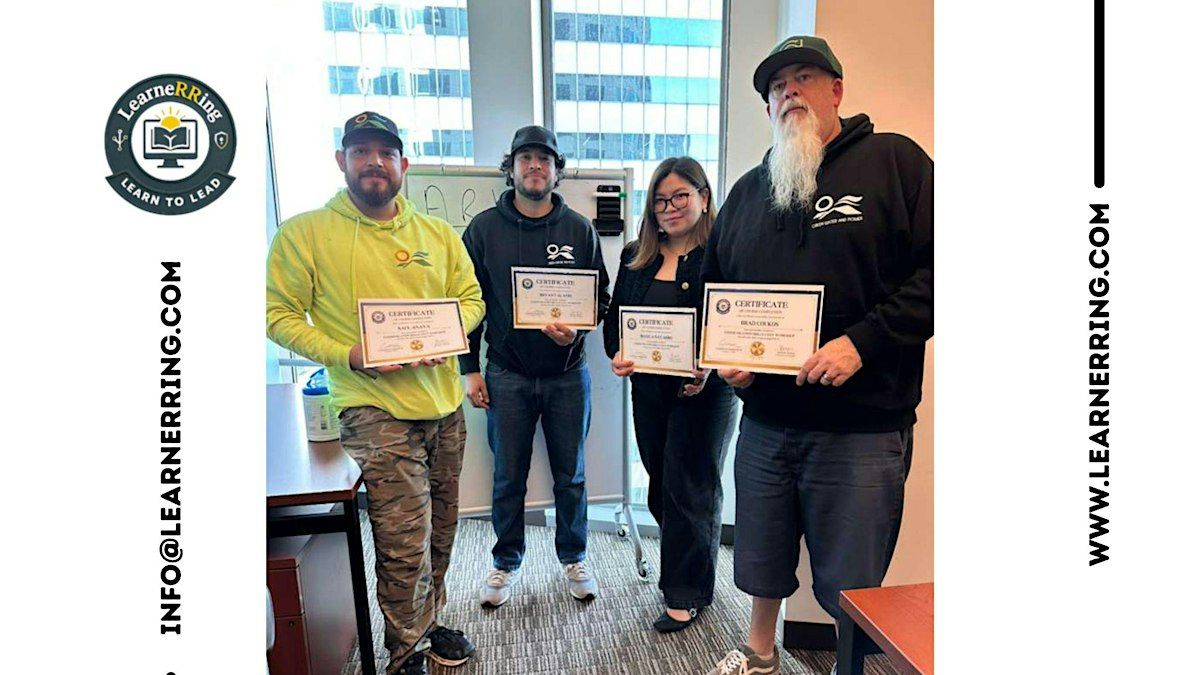
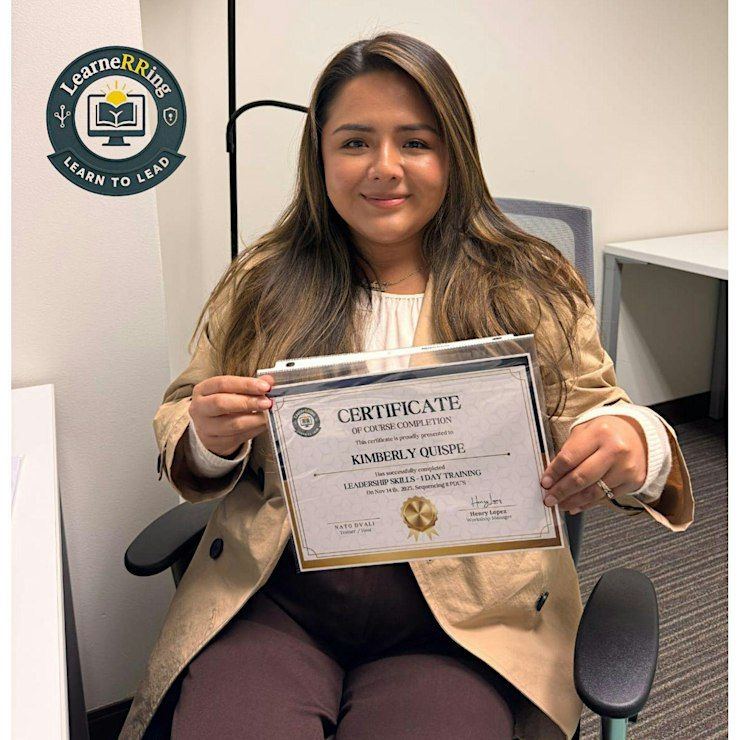
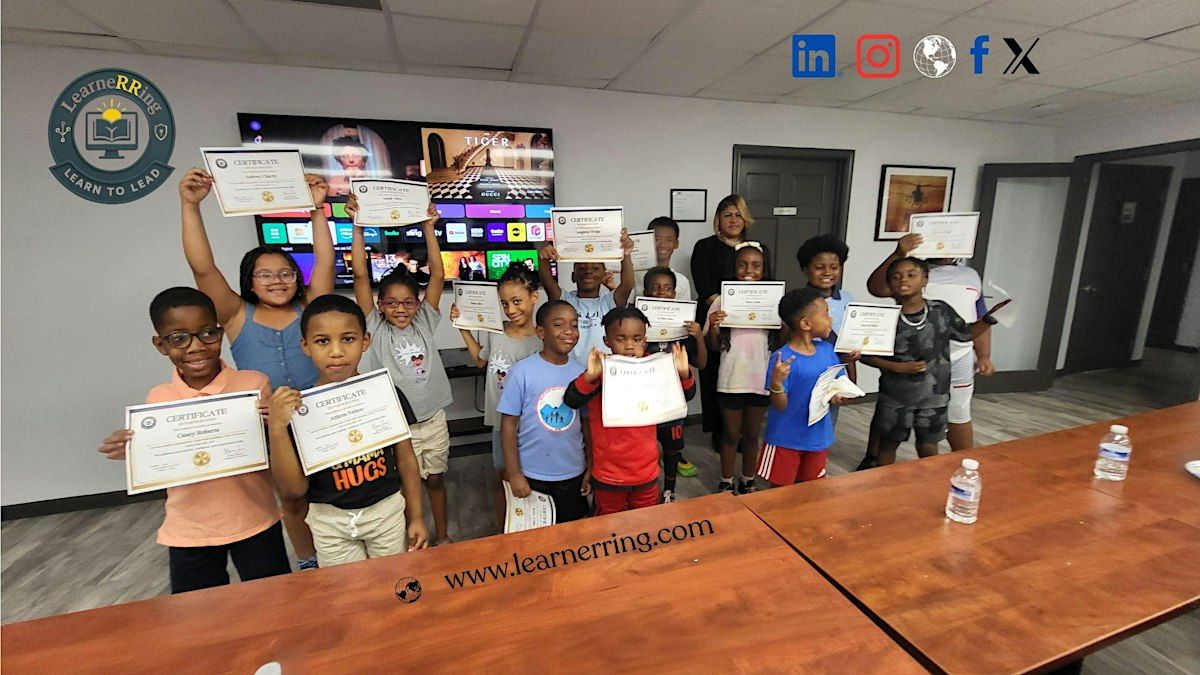
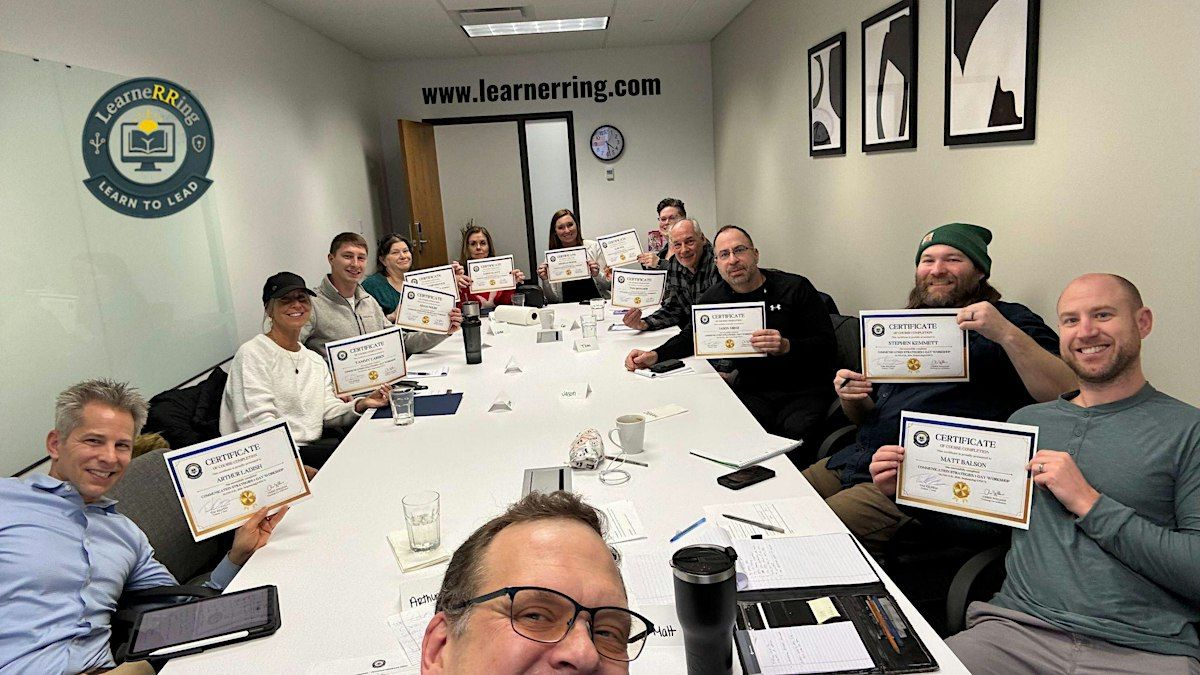
All participants will receive a Certificate of Completion from LearneRRing, recognizing their achievement.
Exclusive OffersGroup Discounts:10% off for groups of 5-10 participants15% off for groups of 11-20 participants
Corporate & Team Training Available
Want this course delivered at your workplace or for your team? We offer customized onsite and virtual sessions for companies.📩 Email us at [email protected] for details.
Where is it happening?
Event Location & Nearby Stays:
USD 519.25 to USD 1763.65