2026 Nautical Archaeology Refresher Workshop and MAST Annual Dinner
Schedule
Sat Apr 11 2026 at 12:30 pm to 09:00 pm
UTC-04:00Location
National Museum of the Great Lakes | Toledo, OH

About this Event
Do you miss MAST?
Has it been a year, or 6, or 15(!) since you took your first nautical archaeology class?
Are you worried that you don't remember everything and think that you cannot participate?
CHEER UP! 2026 is for you! This year we are focused on you, our tried and true MASTies!
We are hosting a refresher course for anyone who has previously taken the class! This four-hour session (with optional extra time) will include review, as well as new techniques (3-D scanning from your phone) and projects (Anchors!) you can do on your own!
Join us on Saturday, April 11, from 12:30 pm - 4:30 pm at the National Museum of the Great Lakes to remember everything you ever forgot about nautical archaeology, and learn something a little bit new. For those who want, we will also be at the museum on Sunday, April 12, from 9 am - 12 pm, working on past projects, updating data from the day before, and continuing practice.
If you join us for the refresher, we will also be having an in-water practice session on May 16 and 17 for anyone interested. (The in-water session is not required)
MAST Annual Dinner
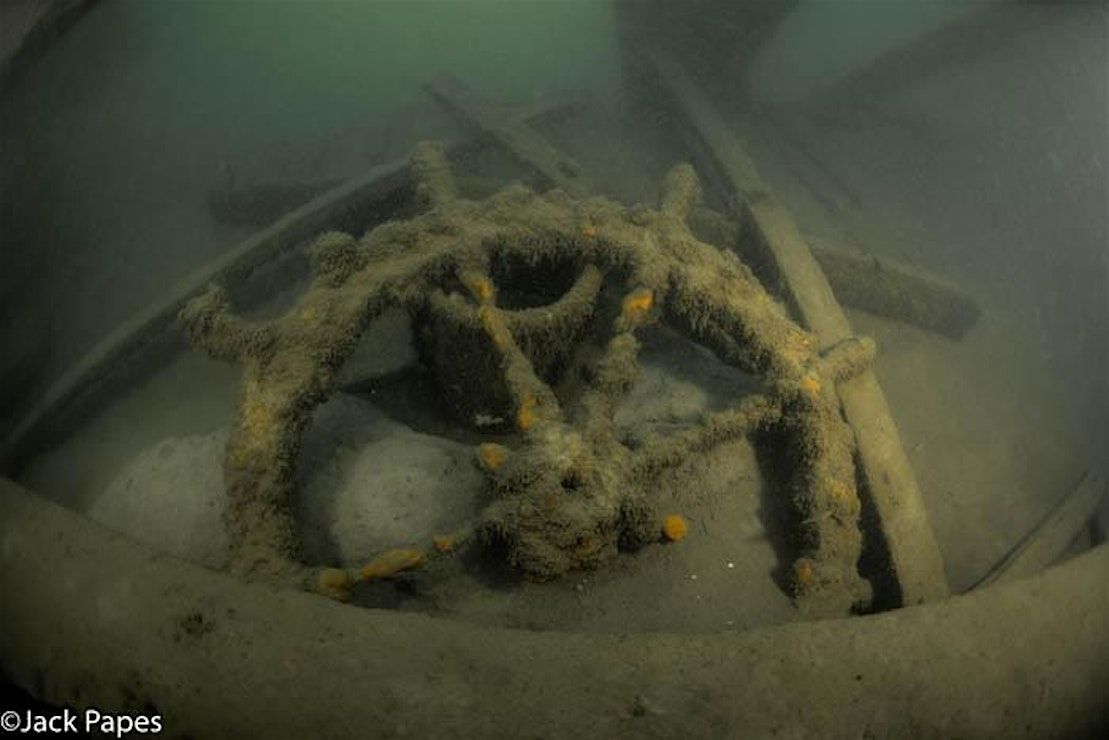
As part of the weekend, we will be having the MAST annual dinner. This year we have an exciting speaker, MAST's own Chris Kraska! He will be presenting on the newly announced find of the bark Clough.
The Loss of the Clough: Exploration, Discovery, and an Unexpected Tragedy.
In September 1868, the barkentine Clough departed Lorain, Ohio, heavily laden with tens of tons of grindstones and massive sandstone blocks, destined for hungry markets across the Great Lakes. A short time later, she became a ghostly testament to the unforgiving nature of 19th-century commerce, sinking in a fierce gale with the loss of seven of the eight souls onboard.
Over 150 years later the wreck site was found, but its discovery led to one final tragedy: the loss of the first person to dive the wreck, maritime archaeologist David VanZandt.
This presentation will examine the regional trade in stone, the often dangerous world of Great Lakes shipping in the second half of the 19th century, the history of the vessel from its building to sinking a mere 14 months later, as well as techniques for detecting and identifying shipwrecks.
Where is it happening?
National Museum of the Great Lakes, 1701 Front Street, Toledo, United StatesEvent Location & Nearby Stays:
USD 44.52 to USD 92.55